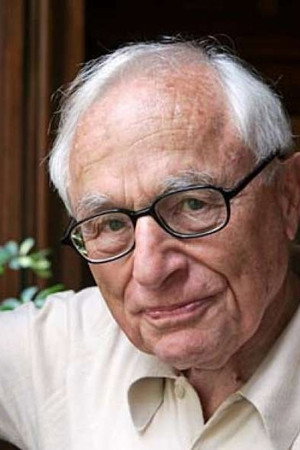
Walter Bernstein Movies, TV Shows, and Filmography
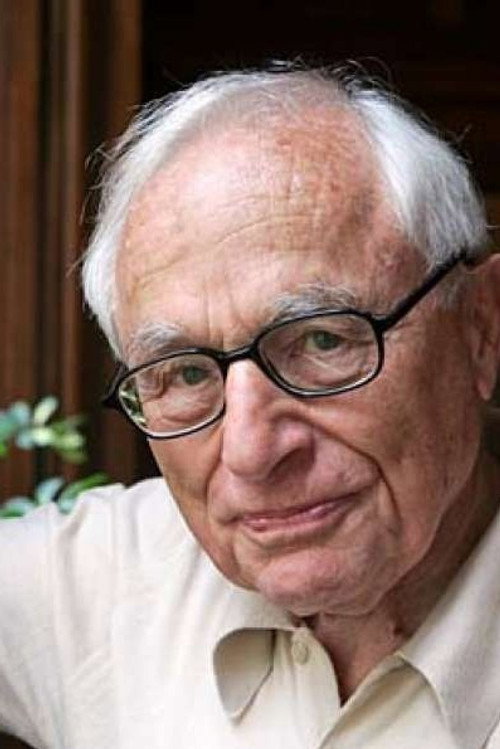
Walter Bernstein
Writing
Biography
In February 1941, Bernstein was drafted into the U.S. Army. Eventually attaining the rank of Sergeant, he spent most of World War II as a correspondent on the staff of the Army newspaper Yank, filing dispatches from Iran, Palestine, Egypt, North Africa, Sicily and Yugoslavia. He wrote of his experiences in Palestine in an article entitled "War and Palestine". Bernstein wrote a number of articles and stories based on his experiences in the Army, many of which originally appeared in The New Yorker. These were collected in Keep Your Head Down, his first book, published in 1945. Bernstein first came to Hollywood in 1947, under a ten-week contract with writer-producer-director Robert Rossen at Columbia Pictures. Following that stint, he worked for a while for producer Harold Hecht, which resulted in his first screen credit, shared with Ben Maddow, for their adaptation of the Gerald Butler novel Kiss the Blood Off My Hands for the 1948 Universal film. He subsequently returned to New York, where he continued writing for The New Yorker and other magazines, and eventually found work as a scriptwriter in the early days of live television. In 1950, because of his numerous left-wing political affiliations and related activities, his name appeared in the notorious publication Red Channels, and as a result he found himself blacklisted. Throughout the 1950s, however, he managed to continue writing for television, both under pseudonyms and through the use of "fronts" (non-blacklisted individuals who would permit their names to appear on his work). In this manner, he contributed to several notable TV programs of the era, including Danger, the CBS News docudrama series You Are There and the mystery series Colonel March of Scotland Yard. (It has been incorrectly stated in some sources that Bernstein's blacklisting resulted from "unfriendly" testimony given to HUAC in 1951, but in fact he was not subpoenaed by the Committee until the late 1950s, and never actually testified.) His screenwriting career began to rebound from the blacklist when director Sidney Lumet hired him to write the screenplay for the 1959 Sophia Loren movie That Kind of Woman. From then on Bernstein was able to work openly on films such as Paris Blues (1961) and Fail-Safe (1964). He also contributed, without receiving credit, to the screenplays of The Magnificent Seven (1960) and The Train (1964), and was one of several writers who worked on the script for the ill-fated Something's Got to Give, which was left uncompleted at the time of the death of its star, Marilyn Monroe, in 1962.
Filmography Movies
Acting
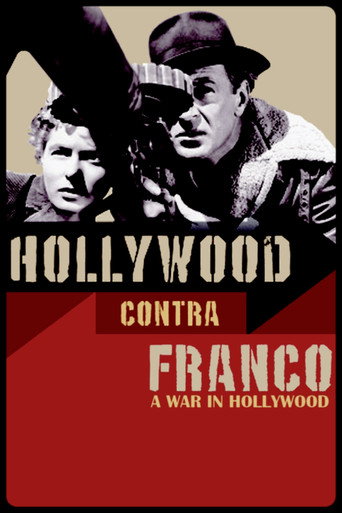
A War in Hollywood
The Spanish Civil War (1936-1939) caused a great impression on the lives of most of the American artists of that era, so many movies were made in Hollywood about it. The final defeat of the Spanish Republic left an open wound in the hearts of those who sympathized with its cause. The eventful life of screenwriter Alvah Bessie (1904-1985), one of the Hollywood Ten, serves to analyze this sadness, the tragedy of Spain and its consequences.
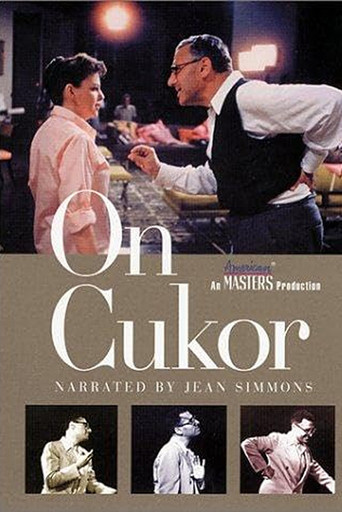
On Cukor
Widely thought of as “a woman’s director,” legendary film director George Cukor is profiled with the use of film clips and interviews with his friends and colleagues to provide a picture of the director’s unique accomplishments and to trace the arc of his career.
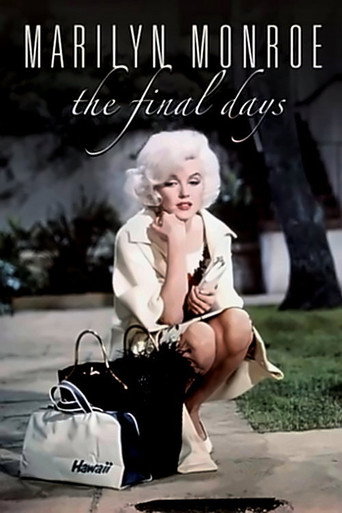
Marilyn Monroe: The Final Days
Marilyn Monroe's final project, "Something's Got to Give", has become one of the most talked about unfinished films in history. The story of the film and Marilyn's last days were seemingly lost… until now. Through interviews, never-before-seen footage and an edited reconstruction of "Something's Got to Give", Marilyn Monroe: The Final Days provides a definitive and fascinating look at the last act in the life of the world's most famous and tragic superstar.
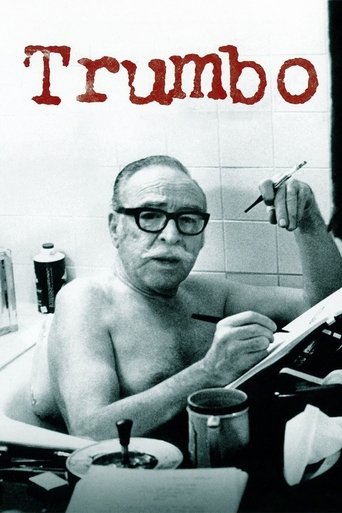
Trumbo
Through a focus on the life of Dalton Trumbo (1905-1976), this film examines the effects on individuals and families of a congressional pursuit of Hollywood Communists after World War II. Trumbo was one of several writers, directors, and actors who invoked the First Amendment in refusing to answer questions under oath. They were blacklisted and imprisoned. We follow Trumbo to prison, to exile in Mexico with his family, to poverty, to the public shunning of his children, to his writing under others' names, and to an eventual but incomplete vindication. Actors read his letters; his children and friends remember and comment. Archive photos, newsreels and interviews add texture. Written by
Annie Hall
New York comedian Alvy Singer falls in love with the ditsy Annie Hall.
Guns for Hire: The Making of 'The Magnificent Seven'
A documentary about 'The Magnificent Seven'.
The Tramp and the Dictator
A look at the parallel lives of Charlie Chaplin and Adolf Hitler and how they crossed with the creation of the film “The Great Dictator,” released in 1940.
Tell Us She Was One of You: The Hollywood Blacklist and 'Johnny Guitar'
Larry Ceplair, co-author of The Inquisition in Hollywood, and blacklisted screenwriter Walter Bernstein, a former member of the Communist Party, discuss the socio-political environment in Hollywood during the 1940s and 1950s, as well as unusual production history of "Johnny Guitar."
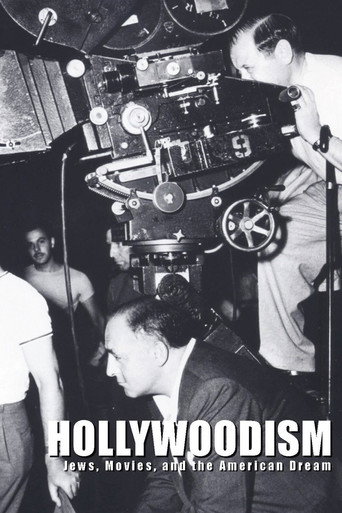
Hollywoodism: Jews, Movies and the American Dream
This film discusses the effect on how major American films in Hollywood were influenced by the Eastern European Jewish culture that most of the major movie moguls who controlled the studios shared. Through clips of various films, the filmmakers illustrate the dominant themes like that of the outsider, the outspoken American patriotism, and rooting for the underdog in society.
Revisiting 'Fail-Safe'
Documentary featuring interviews with director Sidney Lumet, "Fail-Safe" (2000) producer George Clooney, star Dan O’Herlihy and screenwriter Walter Bernstein.
Production
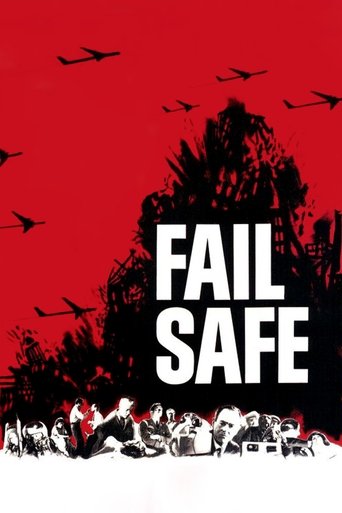
Fail Safe
Because of a technical defect an American bomber team mistakenly orders the destruction of Moscow. The President of the United States has but little time to prevent an atomic catastrophe from occurring.
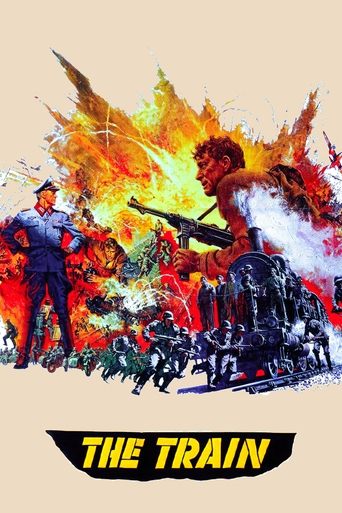
The Train
As the Allied forces approach Paris in August 1944, German Colonel Von Waldheim is desperate to take all of France's greatest paintings to Germany. He manages to secure a train to transport the valuable art works even as the chaos of retreat descends upon them. The French resistance however wants to stop them from stealing their national treasures but have received orders from London that they are not to be destroyed. The station master, Labiche, is tasked with scheduling the train and making it all happen smoothly but he is also part of a dwindling group of resistance fighters tasked with preventing the theft. He and others stage an elaborate ruse to keep the train from ever leaving French territory.
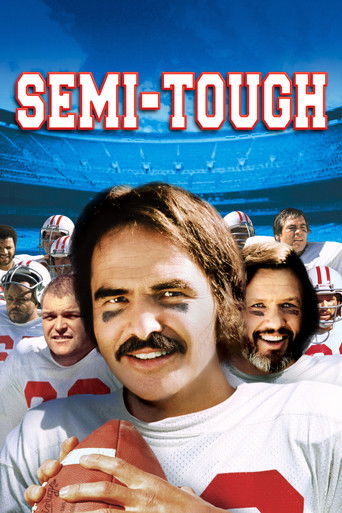
Semi-Tough
A three-way friendship between two free-spirited professional football players and the owner's daughter becomes compromised when two of them become romantically involved.
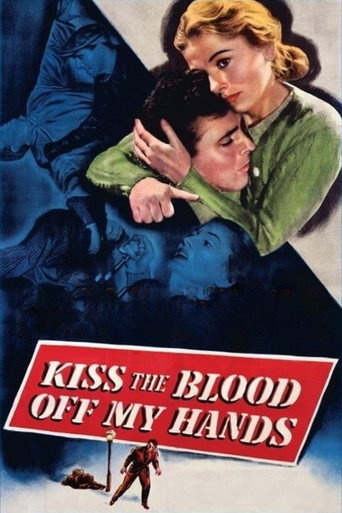
Kiss the Blood Off My Hands
Bill Saunders, a former prisoner of war living in England, whose experiences have left him unstable and violent, gets into a bar fight in which he kills a man and then flees. He hides out with the assistance of a nurse, Jane Wharton, who believes his story that the killing was an accident.
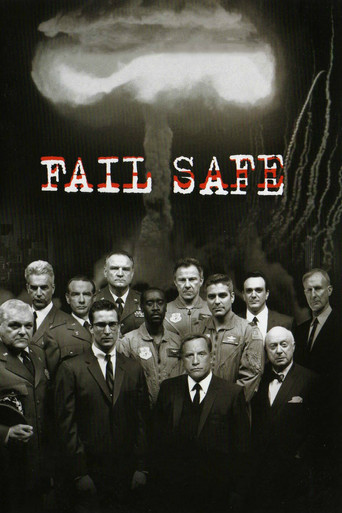
Fail Safe
Cold War tensions climb to a fever pitch when a U.S. bomber is accidentally ordered to drop a nuclear warhead on Moscow.
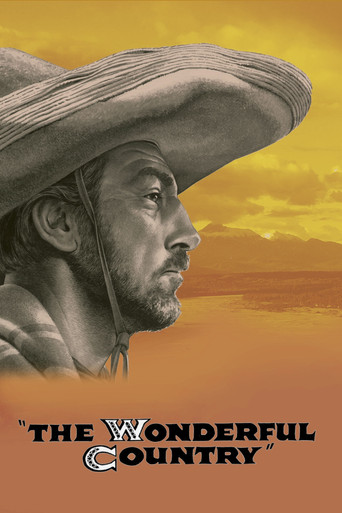
The Wonderful Country
Having fled to Mexico from the U.S. many years ago for killing his father's murderer, Martin Brady travels to Texas to broker an arms deal for his Mexican boss, strongman Governor Cipriano Castro. Brady breaks a leg and while recuperating in Texas the gun shipment is stolen. Complicating matters further the wife of local army major Colton has designs on him, and the local Texas Ranger captain makes him a generous offer to come back to the states and join his outfit. After killing a man in self-defense, Brady slips back over the border and confronts Castro who is not only unhappy that Brady has lost his gun shipment but is about to join forces with Colton to battle the local raiding Apache Indians.
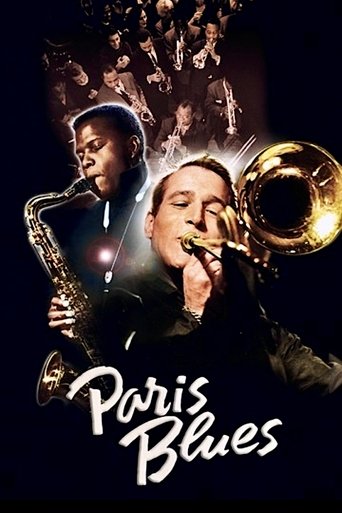
Paris Blues
During the 1960s, two American jazz musicians living in Paris meet and fall in love with two American tourist girls and must decide between music and love.
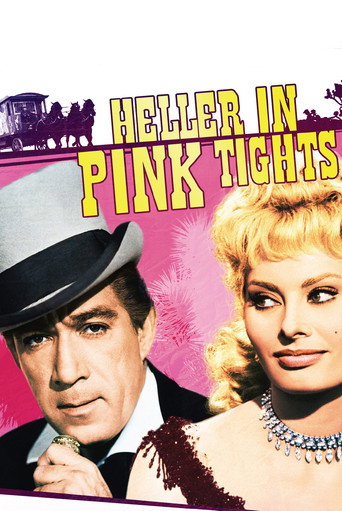
Heller in Pink Tights
Nineteenth century Wyoming: the wild West. Mild-mannered Tom Healy has a two-wagon theater troupe hounded by creditors because Angela, his leading lady and the object of his affection, constantly buys clothes. In Cheyenne, they meet with applause, so they hope to stay awhile: the theater owner likes Angela, and she keeps him on a string. She's also the object of the attentions of Mabry, a gunslinger who's owed money by the richest man in Bonanza.
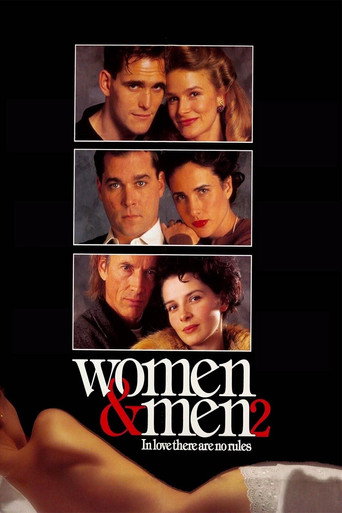
Women & Men 2: In Love There Are No Rules
Three short stories about women & men relationship.
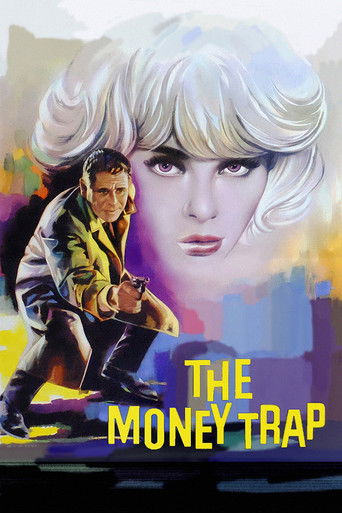
The Money Trap
When half a million dollars disappears from a doctor office's safe, the cops assigned to the burglary case, Joe and Pete, decide to find the money and keep it for themselves.
Gallery