Sound
No biography available.
The making of Makbul Mubarak's debut feature film "Autobiography" (2022).
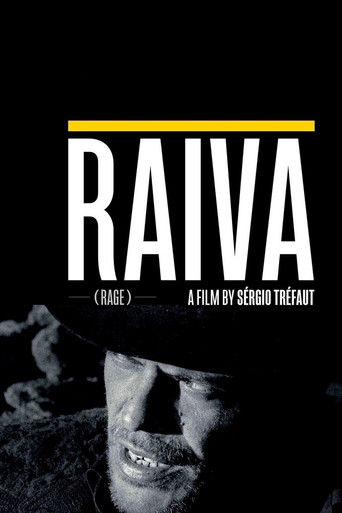
Alentejo, Portugal, 1950. In a desolate region, where the wind seems to speak, where misery and hunger reign over poorest, a desperate man takes his revenge on those who caused his ruin during the darkest night, unable to get honestly the bread needed to feed his family in the daylight.
Luzimar cycles each day to and from work at the local cotton mill in his hometown of Cataguases, Minas Gerais, Brazil. He is a hard-working man, trying to make the most of what he has. One day, his childhood friend Gildo reappears, driving a fancy car and boasting of his successful life in São Bernardo do Campo, São Paulo. As the two sit down for a beer, memories, regrets and old resentments slowly resurface.
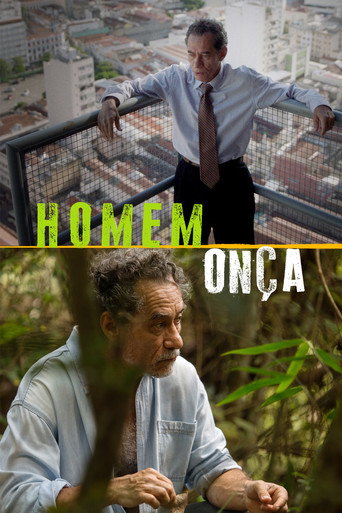
Two moments in the life of Pedro. First in 1997, he lives with his family in Rio de Janeiro and works at Gás do Brasil, a company that is undergoing a tough restructuring process, with layoffs and early retirements. Soon, privatization will come. In the second moment, two years later, Pedro lives retired in his hometown Barbosa, in the company of his childhood memories, his dog and his girlfriend. By interweaving these two moments in time, we put ourselves in Pedro's skin and experience his fears and delights.
On the eve of a future-defining championship, promising 17-year-old volleyball player Sofia is faced with an unwanted pregnancy. Seeking an illegal termination, she becomes the target of a fundamentalist group determined to stop her at any cost – but neither Sofia nor those who love her are willing to surrender to the blind fervor of the swarm.
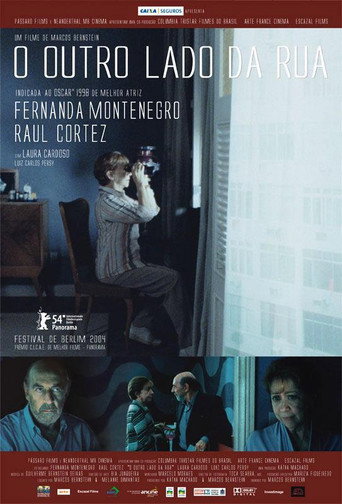
Regina, a lonely 65 year old who works on the neighborhood watch for the police in Copacabana, believes to have witnessed a murder in the building across the street, and ends up getting involved with the suspect in a potentially dangerous chain of events that will force her to take stock of her life.
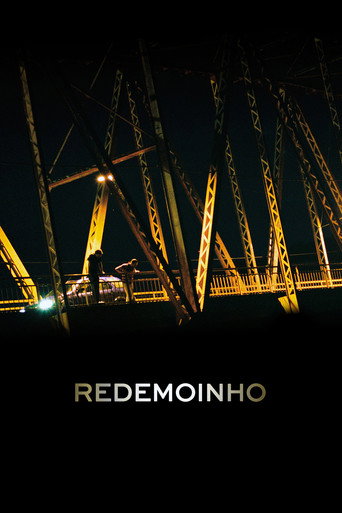
Donato fails in his attempt to save a drowning man, and meets one of the man's friends. He decides to start his life over, but pieces of his past keep coming after him.
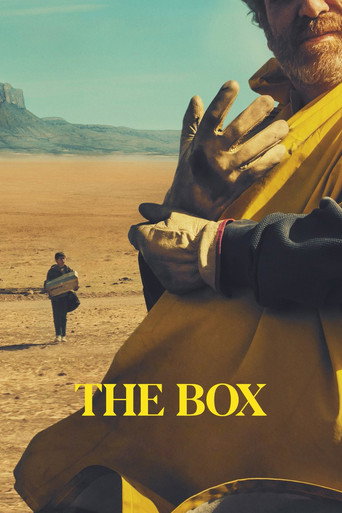
A young boy on a mission to collect what he believes to be his father’s remains gets sucked into the underbelly of the migrant industry in Mexico.
An eye-opening he said/she said perspective on timbó fishing, a traditional practice of the Indigenous Yanomami people that involves the entire community and a vine used to stun fish, seamlessly blends preservation documentary, origin myth, magic realism and the reality of mining and economic threats to Yanomami culture in this formally inventive reclamation.
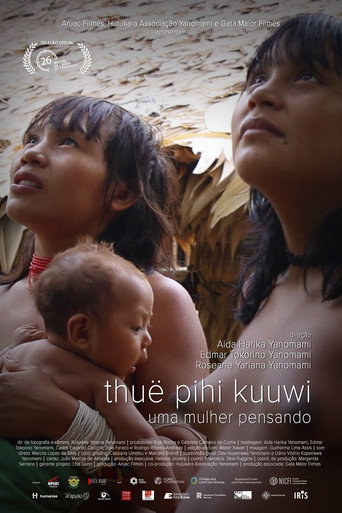
A Yanomami woman watches a shaman prepare the Yãkoana, food for the spirits. Based on the narrative of a young indigenous woman, the Yãkoana that feeds the Xapiri and allows shamans to enter the world of spirits also proposes a meeting of perspectives and imaginations.