Waldemar Obłoza Movies, TV Shows, and Filmography
Waldemar Obłoza
Acting
Biography
No biography available.
Filmography Movies
Acting
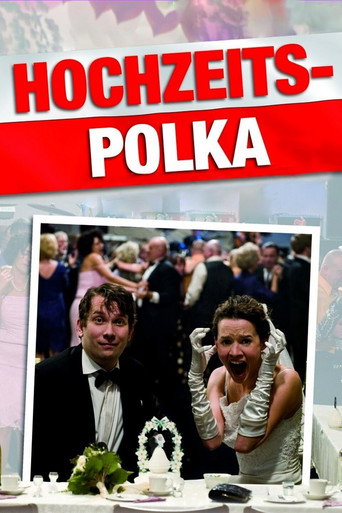
Hochzeitspolka
Frieder Schulz has turned from a laid-back type into a provincial in three years, taking care of his cottage, garage and career. As he prepares a wedding with his fiancée Gosia, his buddies from the good old days, strewn with music and artistic frenzy, unexpectedly show up. The old buddies, Jonas, Paul, Knack, Manni, definitely don't fit into the new quiet lifestyle in the Polish countryside and are hoping for a party at least like they used to have. Their visit causes a series of misunderstandings, woven from stereotypes and prejudices.
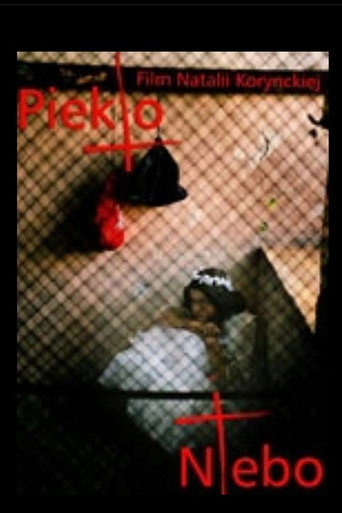
Heaven Hell
A young priest comes to a town to help the old provost in pastoral ministry. It early May, the parish prepares for the First Communion. Unexpectedly, the provost is admitted to hospital with a heart attack. Priest Piotr is on his own now in a completely new place. At a catechesis, one of the girls catches his attention. She’s sad, introvert and sometimes even aggressive. Marta is a daughter of the richest man in the town. During her confession, the priest feels she’s hiding something. When the time of Sacrament reception comes, Marta runs away from the altar. After hours of searching, priest Piotr finds her hidden in a vestry. The girl tells him the horrible truth.
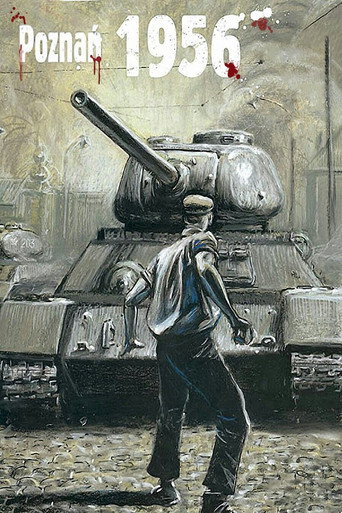
Poznań 56
The film depicts the momentous and tragic history of the Poznan uprising of 1956. The memory of the director, who was a nine-year-old boy at the time, is the only canvass of the script. The main characters of the black-and-white film are two boys aged ten and twelve. From their perspective, the viewer follows the development of events. From the depths of the gates, through the rails of fences and cluttered backyards, through the eyes of the children we watch the street riots. The film, without action in the literal sense of the word, was made using a reportage technique that perfectly captures the spontaneity of the Poznan uprising. Among other things, the author of the picture depicts the adventures of a young worker Zenek, who becomes the unwitting leader of the protest, and five professors, who by chance find themselves in the very center of events.
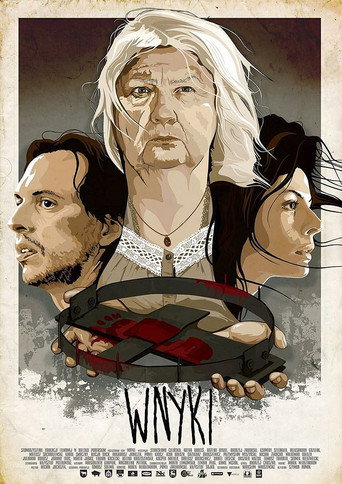
Wnyki
Jakub is coming back to his home town only to discover his former girlfriend has leukemia. He has to confront the past he wanted to escape from.
JJ
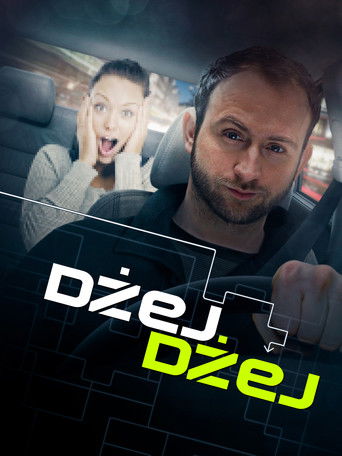
The hero of this perverse comedy is Jerzy, a completely incurable romantic, who finds the love of his life in the voice coming from the navigation system in his car. Jerzy is a gadget-head, and loves all kinds of electronic devices – he gives them names, and then talks to them. This makes him fall in love with Carmen – the voice from his car-navigation system.
Dublerzy
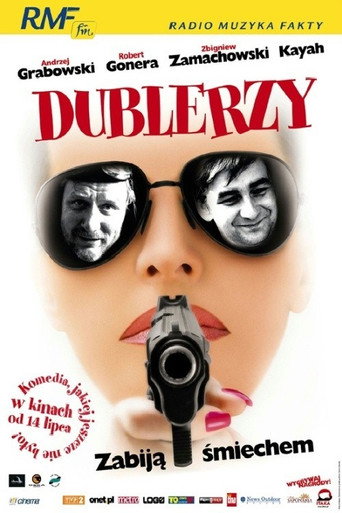
A couple of friends, Max and Leo spend some time in Sicily, the island that is associated with mafia. Strange events on one wedding of a mafioso's daughter near the city of Trapani, bring them back to Warsaw. Yet, the criminal leaders, particularly Don Antonio Gambini, are also in Poland where they have a job to do. Unintentionally, Max and Leo are brought into a plot.
Afera Mięsna
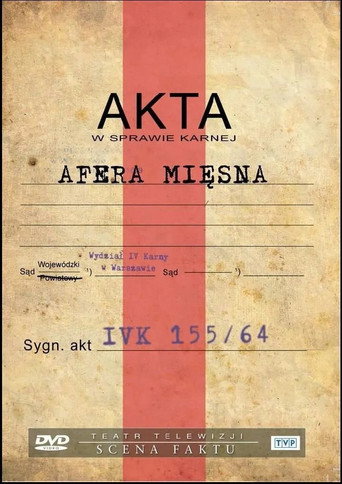
A portrait of cabinet intrigues, the false aspirations of the party elite and the grinding reality of the 1960s, or "our little stability." Robert Meller and Janusz Dymek's documentary drama concerns the famous 1964 meat scandal, in which three death sentences were demanded and one was adjudicated and executed. The victim was Stanislaw Wawrzecki. Ostensibly, it was about fraud and bribes in the meat industry. In fact, it was about covering up the government's economic ineptitude, shortages of supplies and directing the people's anger at a few defendants.