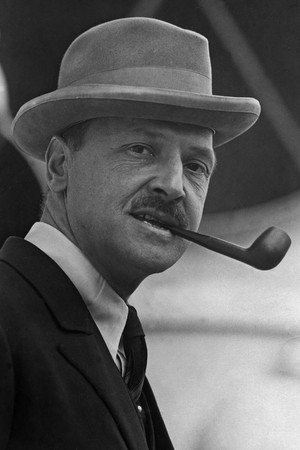
W. Somerset Maugham Movies, TV Shows, and Filmography
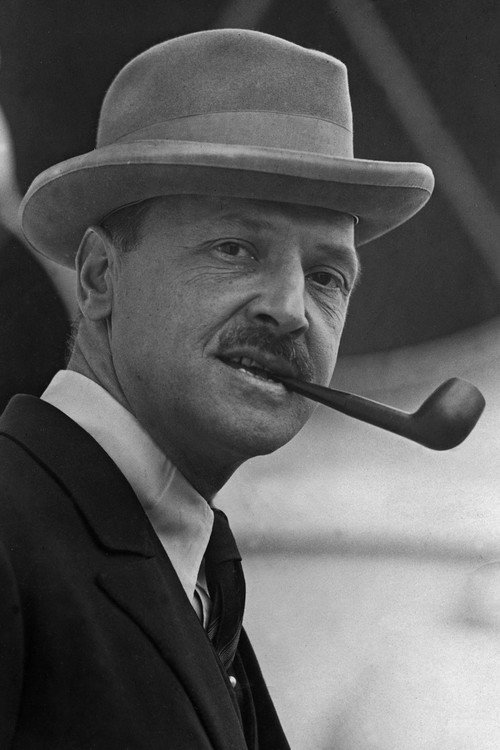
W. Somerset Maugham
Writing
Biography
William Somerset Maugham CH (25 January 1874 – 16 December 1965) was an English writer, known for his plays, novels and short stories. Born in Paris, where he spent his first ten years, Maugham was schooled in England and went to a German university. He became a medical student in London and qualified as a physician in 1897. He never practised medicine, and became a full-time writer. His first novel, Liza of Lambeth (1897), a study of life in the slums, attracted attention, but it was as a playwright that he first achieved national celebrity. By 1908 he had four plays running at once in the West End of London. He wrote his 32nd and last play in 1933, after which he abandoned the theatre and concentrated on novels and short stories. Maugham's novels after Liza of Lambeth include Of Human Bondage (1915), The Moon and Sixpence (1919), The Painted Veil (1925), Cakes and Ale (1930) and The Razor's Edge (1944). His short stories were published in collections such as The Casuarina Tree (1926) and The Mixture as Before (1940); many of them have been adapted for radio, cinema and television. His great popularity and prodigious sales provoked adverse reactions from highbrow critics, many of whom sought to belittle him as merely competent. More recent assessments generally rank Of Human Bondage − a book with a large autobiographical element − as a masterpiece, and his short stories are widely held in high critical regard. Maugham's plain prose style became known for its lucidity, but his reliance on clichés attracted adverse critical comment. During the First World War Maugham worked for the British Secret Service, later drawing on his experiences for stories published in the 1920s. Although primarily homosexual, he attempted to conform to some extent with the norms of his day. He became a father and husband, marrying Syrie Wellcome in 1917, three years into an affair that produced their daughter, Liza. The marriage lasted for twelve years, but before, during and after it, Maugham's principal partner was a younger man, Gerald Haxton. Together they made extended visits to Asia, the South Seas and other destinations; Maugham gathered material for his fiction wherever they went. They lived together in the French Riviera, where Maugham entertained lavishly. After Haxton's death in 1944, Alan Searle became Maugham's secretary-companion for the rest of the author's life. Maugham gave up writing novels shortly after the Second World War, and his last years were marred by senility. He died at the age of 91. Description above from the Wikipedia article W. Somerset Maugham, licensed under CC-BY-SA, full list of contributors on Wikipedia.
Filmography Movies
Acting
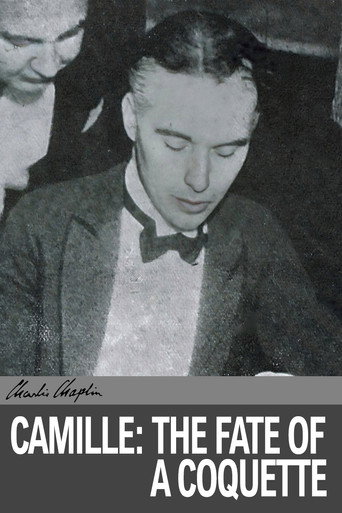
Camille: The Fate of a Coquette
A home movie version of the Dumas play. A young woman becomes a courtesan and tragedy befalls her. Appearances are made by many socialites of 1920s Paris and New York.

Quartet
Somerset Maugham introduces four of his tales in this anthology film: "The Facts of Life," "The Alien Corn," "The Kite," and "The Colonel's Lady."
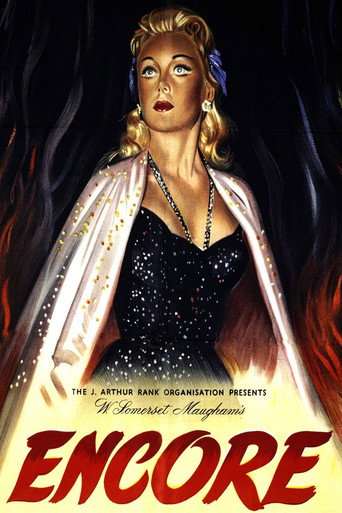
Encore
Encore is a 1951 anthology film composed of adaptations of three short stories by W. Somerset Maugham: "The Ant and the Grasshopper", directed by Pat Jackson and adapted by T. E. B. Clarke; "Winter Cruise", helmed by Anthony Pelissier, screenplay by Arthur Macrae; "Gigolo and Gigolette", directed by Harold French, written by Eric Ambler. It is the last film in a Maugham trilogy, preceded by Quartet and Trio.

Trio
W. Somerset Maugham introduces three more of his stories about human foibles.
Cover to Cover
The film sequences were represented by the premiere of the now thought lost short 'Cover To Cover' directed by Paul Rotha. This short film illustrated the production of a book. Added comments from such luminaries as Julian Huntley and TS. Eliot added class.
Production
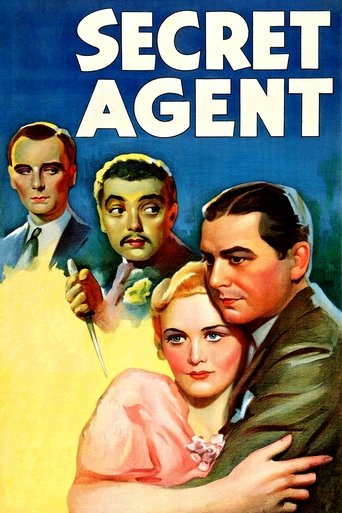
Secret Agent
During World War I, a novelist declared dead is recruited by British intelligence and sent to Switzerland under a new identity to assassinate a German spy. Teamed with a fellow agent posing as his wife and an eccentric assassin known as “the General,” the trio close in on their target — until two of them grow ambivalent when their duty to the mission clashes with their consciences.
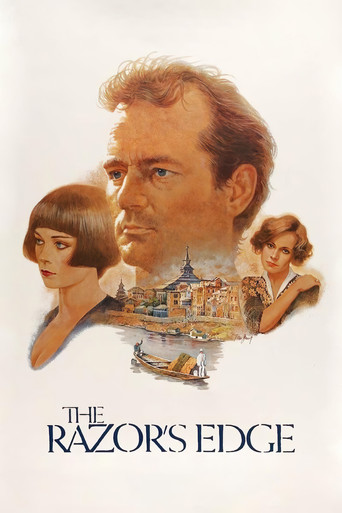
The Razor's Edge
An American WWI veteran undertakes a spiritual quest that takes him from Paris to Nepal to the Himalayas and back to his hometown. Upon his return, he discovers he is not the only one who has changed.

Christmas Holiday
A young femme fatale realizes that the man she married is an incorrigible wastrel.

The Ordeal
Sybil marries George Bruce, an alcoholic 20 years her senior, In order to provide for her crippled sister, Helen, and her brother, Geoffrey. Bruce becomes jealous of Sybil's attentions to young physician Robert Acton, and when Bruce suffers a heart attack and calls for digitalis, Sybil allows the vial to break and he dies.

The Painted Veil
A British medical doctor fights a cholera outbreak in a small Chinese village, while also being trapped at home in a loveless marriage to an unfaithful wife.
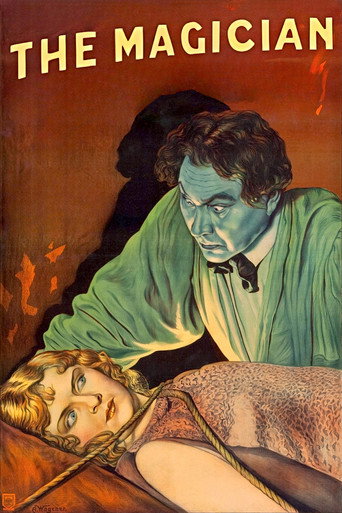
The Magician
A young woman, Margaret Dauncey, is caught between the forces of a charlatan magician, Oliver Haddo, whom she is unable to resist, and the love of a handsome surgeon, Arthur Burdon, who has saved her from being a helpless cripple by performing a delicate operation on her spine.

Sadie Thompson
A young, beautiful prostitute named Sadie Thompson arrives on the South Pacific island of Pago Pago looking for honest work and falls for Timothy O'Hara, an American sailor who is unfazed by her unsavory past. However, Mr. Davidson, a missionary who arrived on the island at the same time, aims to "save" Sadie from her sinful life and petitions to have her separated from her beau and deported back to San Francisco.

The Right to Live
A man with a broken back dies after his wife has an affair with his brother.
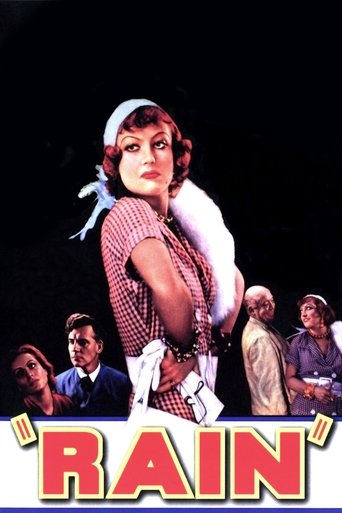
Rain
Due to a possible cholera epidemic onboard, passengers on a ship are forced to disembark at Pago Pago, a small village on a Pacific island where it incessantly rains. Among the stranded passengers are Sadie Thompson, a prostitute, and Alfred Davidson, a fanatic missionary who will try to redeem her.
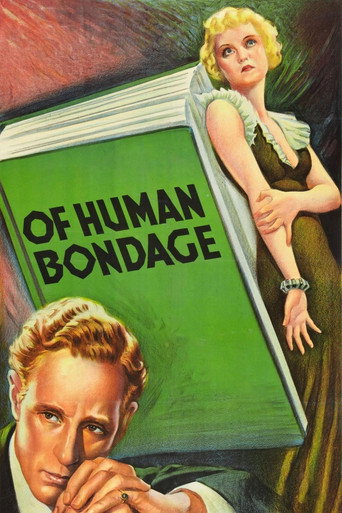
Of Human Bondage
A young man finds himself attracted to a cold and unfeeling waitress who may ultimately destroy them both.
Gallery