Włodzimierz Musiał Movies, TV Shows, and Filmography
Włodzimierz Musiał
Acting
Biography
No biography available.
Filmography Movies
Acting
Bołdyn
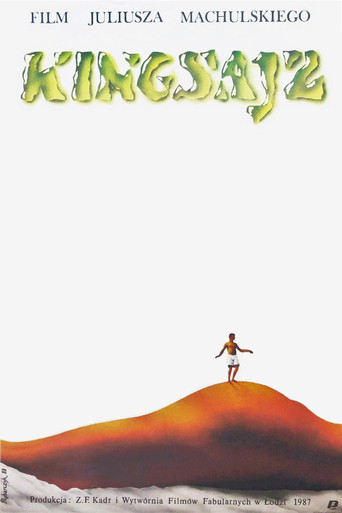
King Size
The story follows a young scientist in the contemporary world, who actually came from the world of dwarves, thanks to a magic potion, held by the Big Eater, ruler of the dwarves. The dwarf kingdom, Shuflandia, exists in a cellar of a library, and only the most obedient get the chance to grow to king size and inhabit the larger world. Once there, nobody wants to return to Shuflandia. Also, there are no women in Shuflandia.
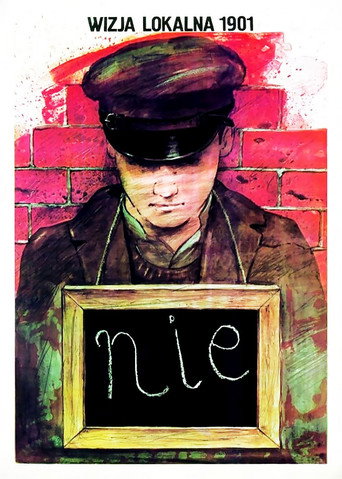
Wizja lokalna 1901
More documentary in its approach than dramatized history, this is a compelling story about a 1901 children's strike in Wrzesnia near the Polish border with Prussia. Poland was partitioned at this time, and a rigidly patriotic Prussian teacher in Wrzesnia follows the dictates of the Germans in parliament and insists that the children be taught their religion classes in German. When the children refuse to take part in the classes, they are supported by the local priest, but that does not save them from being beaten. They are also kept after school and tormented in other ways as well. Newspapers, parents, and the nation as a whole get involved, transforming a simple children's strike into a national incident.

Komediantka
A young woman runs away from her home to the big city, gets a job in theatre and gets involved with shady characters.
Laureat
Professor Borusiewicz receives a high state decoration, while family and friends await him at home.

Femina
The main character is Bogna, a thirty year old woman lost in her surrounding reality and unhappy in her private life. After her husband departs for a foreign scholarship, Bogna learns that her mother died. The trip to her hometown for the funeral becomes a voyage in time, during which she relives the memories of her idyllic childhood.
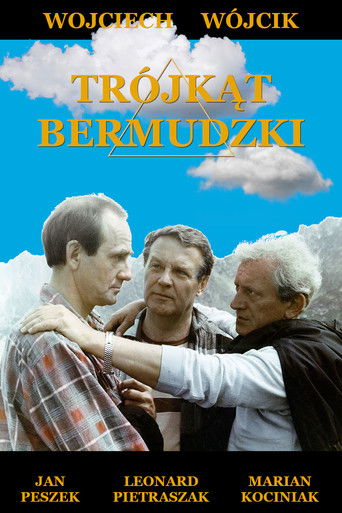
Bermuda Triangle
Three old friends living in distant cities decide to help each other get rid of people who stand in their way to achieve happiness.
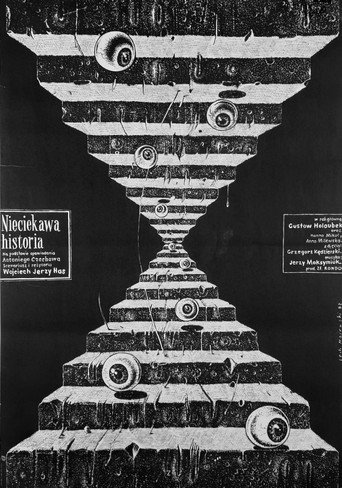
An Uneventful Story
A well-known professor of medicine finding himself at the threshold of autumn of his life, takes stock of his achievements and experiences. "In the end it ends with what has been known for a long time: that conscious life without a fixed worldview is not life, but torment, horror. - wrote Anton Chekhov in one of his letters summarizing "An Uninteresting Story". The protagonist, Professor Nikolai Stepanovich, is a character characteristic of Chekhov's entire oeuvre - a Russian intellectual from the late nineteenth century, depressed by boredom and a sense of his own uselessness and the meaninglessness of his existence.
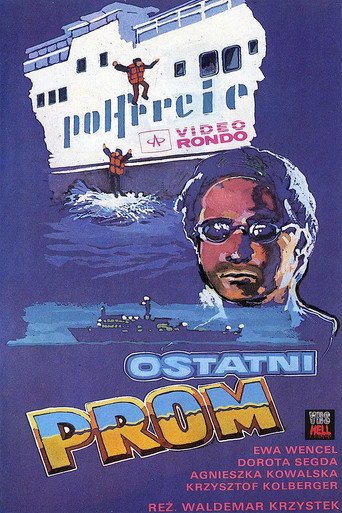
The Last Ferry
One of the passengers on a ship carrying Poles on a cruise in December 1981 is a dissident high school teacher sent abroad by Solidarity. He is under surveillance of the secret police, anxious to get their hands on the info that he is carrying. When the ship is in the middle of the Baltic sea, martial law is declared and the ship is militarized. The captain announces he will turn and return the home port. Many anguished passengers put the life vests on and jump into the sea, where they are picked up by two German ships. The teacher, however, decides to return to Poland and continue the struggle for freedom.
Gwiazda Piołun
The final stage of the great artist's life, a stage in which Witkacy decides to destroy himself. A growing sense of danger, the futility of all actions, and fear of what is to come accompany him constantly during his escape from Warsaw to the East at the outbreak of World War II. Everyday facts and events are intertwined in the film with reminiscences and images from his life, supported by the artist's inner monologue. The style of narration and the way of filming make the film a poignant study of the writer's inner disintegration. By emphasizing the painterly quality of the image and introducing dreamlike themes, Kluba captures on screen the characteristics of both Witkacy's playwriting and painting.