Camera
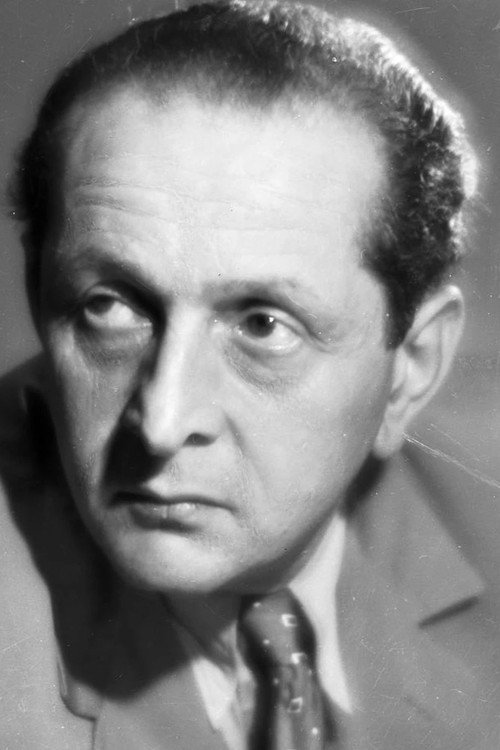
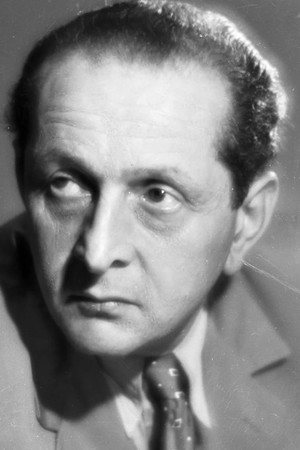
Władysław Forbert (26 May 1915, Warsaw – 7 February 2001, Copenhagen) was a Polish director and cinematographer.
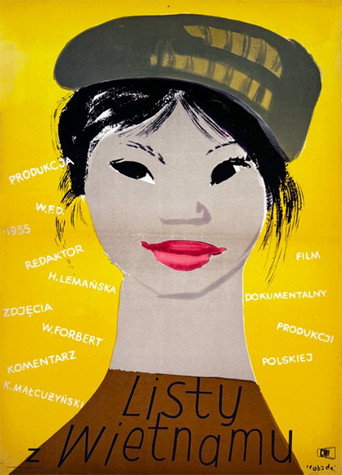
A series of twelve "letters" from different parts of Vietnam in the days following the 1954 Geneva Conference, written in images and narrated in voice-over.
The dark drama of a peasant family from the second half of the 19th century: Seduced by a municipal clerk (in exchange for a promise to release her husband from military service), the woman dies at the hands of her jealous husband.
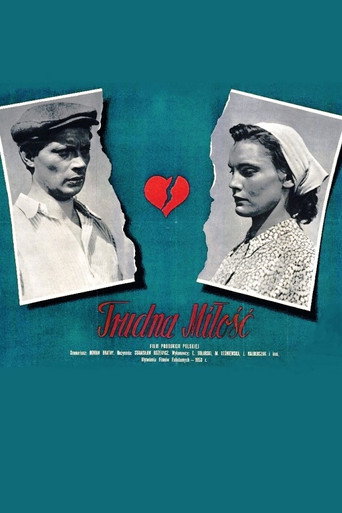
A story of the love affair between Janek Małodworny and Hanka, daughter of the kulak Nalepa. The two love each other, but their happiness is hampered by differences in possessions. To make matters worse, Małodworny is in favor of establishing a cooperative along Soviet lines, while old Nalepa is staunchly opposed.
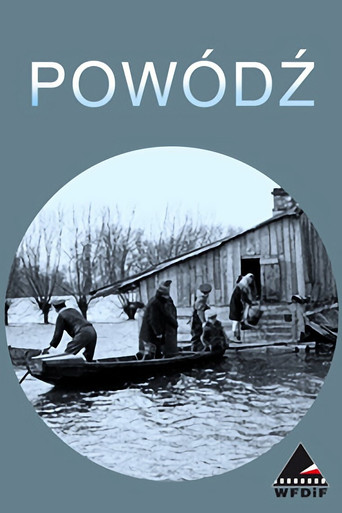
Short documentary about the flooding that struck Poland in the spring of 1947.
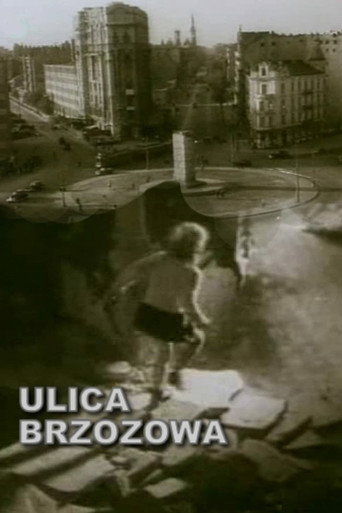
Battered Warsaw is getting back to life after the WW2 destruction. The ruins of the Old Town become homes once again.
A biographical documentary about Krzysztof Penderecki
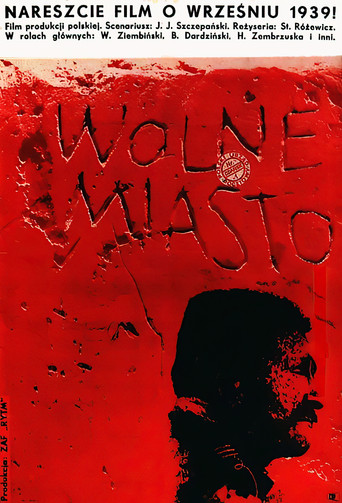
The heroic struggle of Polish post office workers in Gdańsk on the first day of World War II.
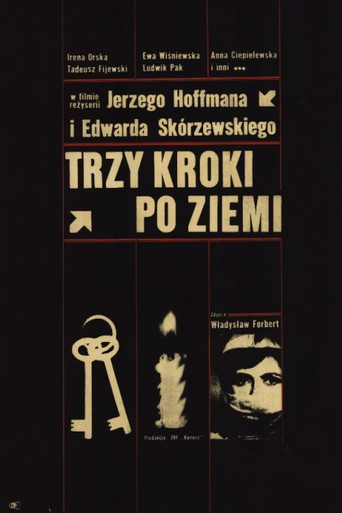
Three stories about life problems, each rooted in contemporary reality through newspaper reports and a “Polityka” magazine survey, crafted by documentarians Jerzy Hoffman and Edward Skórzewski.
The documentary promotes the outdoor attractions and folklore of the village of Szlebark, located in the Podhale Valley.
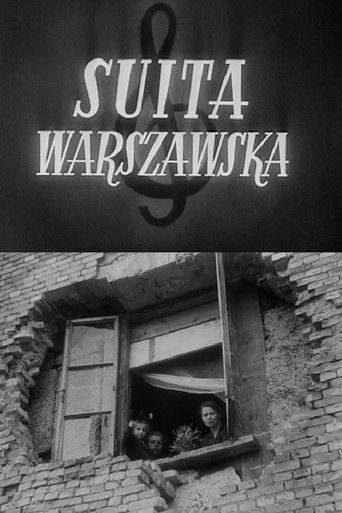
A film suite divided into three parts showing successively the defeat of Warsaw, the gradual awakening of the capital and the first post-war Warsaw spring. The film has no commentary, only music, whose mood and rhythm are closely related to the character of the presented images.
Documentary about the Peace Congress held in Vienna in 1952. The film shows the opening speech of the President of the World Peace Council, Professor F. Joliot-Curie followed by speeches by a number of outstanding peace activists, representatives of nations from 85 countries. In addition to the main session, the film also includes footage of the meetings of the various commissions and sub-commissions, then footage of the streets of Vienna, where the peace delegates were besieged by the youth of Vienna and their requests for autographs, and then footage of the closing session of the Congress and the procession through which the Viennese greeted the peace delegates. The film was made with the cooperation of the Polish State Film, DEFY and Czechoslovak State Film.