Directing
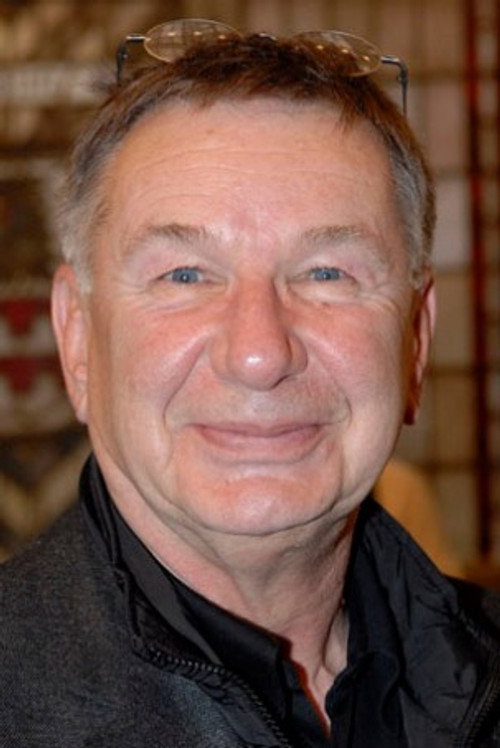
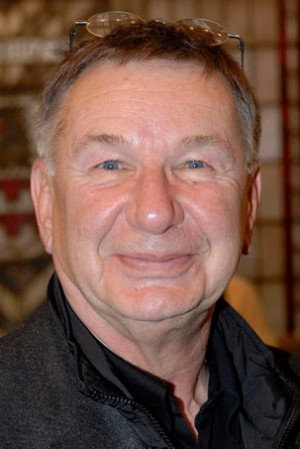
Volker Koepp (born June 22, 1944 in Stettin, Pomerania) is a German documentary film director. In 1975, he began a film series about Wittstock. He gained international recognition with Herr Zwilling und Frau Zuckermann (1999).
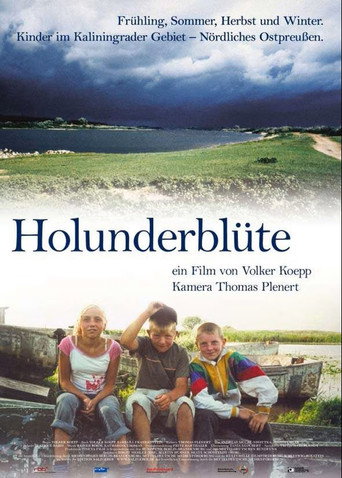
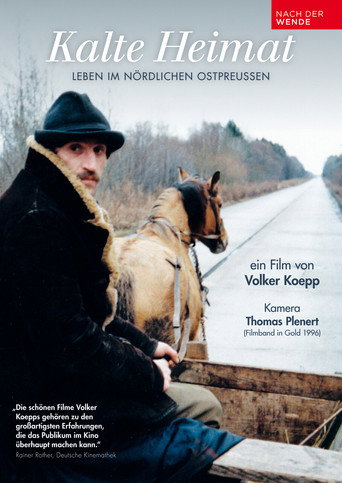
The film tells the story of the East Prussian landscape and its inhabitants. At one time Germans, Poles, Lithuanians and Jews lived here alongside and with one another. After World War II and the expulsion of Germans by Stalin, the Prussian province turned into a Russian enclave. Volker Koepp’s fourth film about the Kaliningrad region is dedicated to the generation, born in the '90s, and familiar with the Soviet Union and East Prussia only from school books. Parents and grandparents who were forcefully resettled to where they are now have never really felt at home. In the meantime they have hopelessly succumbed to unemployment and alcohol. Their children can only rely on themselves. Older siblings look after the younger ones, they play with what lies around, and the girl Ljuda can’t wait to finally turn eighteen, to be able to take her brothers home from the orphanage. The film has much confidence in the children. But what will become of them?
Interview with Volker Koepp about his filmmaking practice conducted and directed by Christoph Hübner
Documentary by Jan Sebening and Daniel Sponsel.
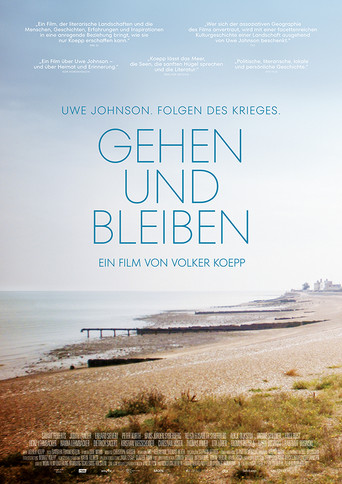
Meetings with readers, acquaintances and contemporaries of writer Uwe Johnson at the places where he lived. Volker Koepp, who is also from Pomerania, looks for Johnson’s sophisticated literary voice in the landscapes of the region they both stem from.
A group of men shoot their mouths off in a pub. Their animated talk is all action-packed yarns and, of course, about women.
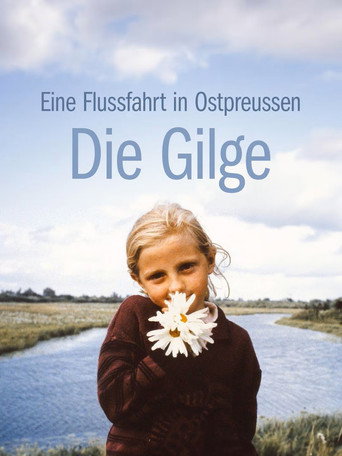
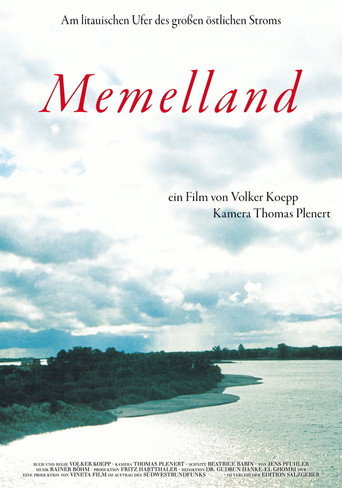
Shortly behind the once East Prussian, now Russian town of Tilsit, the Memel splits into a delta. The widest arms of this delta, the Ruß and Gilge, finally flow into the Curonian Lagoon. The river landscape is characterized by high soil moisture. Cultivation was only possible thanks to a complicated drainage system. The Gilge was also an important waterway. Today, this drainage system is decaying, the Gilge is silting up and the landscape is being renaturalized. The old villages are falling into disrepair due to a lack of money and life is characterized by increasing poverty. We meet the inhabitants, such as the farmer Anatoli, who came here from Siberia and built a new house on the foundations of a German house, or old Anastasia, who can still remember living with the Germans until they were expelled.
Documentary about a farmer's wife in former East Prussia.
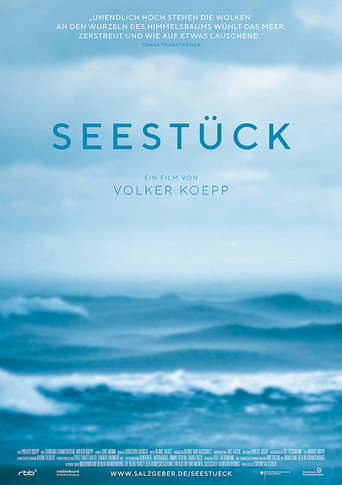
Following Landstück (2016), Volker Koepp's documentary Seestück is about the magical, natural setting of the Baltic Sea, its coasts and its people – including fishermen, seamen, scientists and young people on both the Baltic and Scandinavian shores. Conversations meander from Caspar David Friedrich to Copernicus, Rousseau and Kant, or simply life itself. Present concerns address the sea's threatened ecosystem and political frictions among the neighbouring countries. One universal truth applies for the small Baltic Sea too: The landscape is a window to the world.
Comedy drama about one of life's perennial losers who finally strikes it lucky with a beautiful woman, but not before experiencing the usual seemingly endless pitfalls.
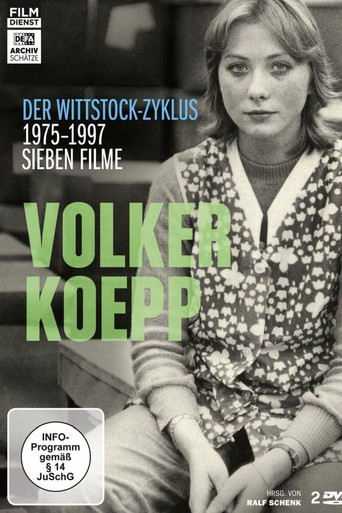
Wittstock an der Dosse is located in the German state Mark Brandenburg, apx. 90 kilometers from Berlin. Since 1974 Volker Koepp visited the town several times to examine life of the female workers in the textile industry. He interviewed them about their work, spare-time, thoughts and feelings. Three of them were questioned repeatedly for a long-time overview. This is the outcome of 10 years of Koepp's work. Written by Tom Zoerner
Volker Koepp documents life in the Dorotheenstadt in Berlin-Mitte, which was called "Feuerland" in the 19th century.
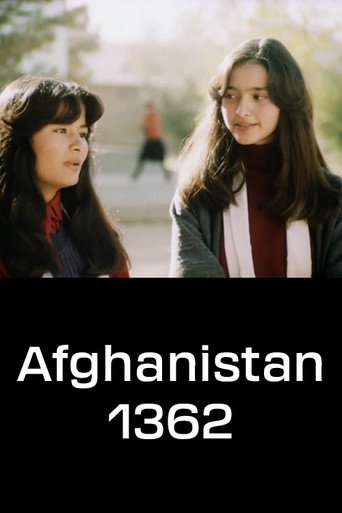
In December 1979, the Soviet Union invaded Afghanistan. Four years later—the Islamic calendar's year 1362—, director Volker Koepp visited Kabul and neighboring provinces. Koepp met a cross-section of people, such as soldiers, intellectuals, kids, and nomads, and with sensitive intensity told stories of their daily lives in the turmoil of an “undeclared war.” This travelogue, which was undertaken with the GDR’s consent, took a political risk because it expresses Koepp’s doubt that conflicts can be solved through military invention.
In this documentary Volker Koepp shows part of the history of Prussia. He begins 700 years ago with the land of the Pruzzen situated between the rivers Weichsel and Memel and proceeds the development of the state.
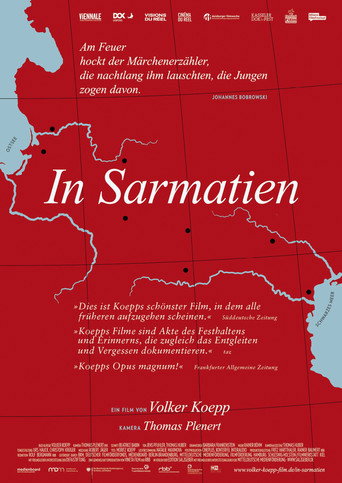
Volker Koepp revisits locations and people from his earlier documentaries in the wide Eastern European region of Sarmatia.
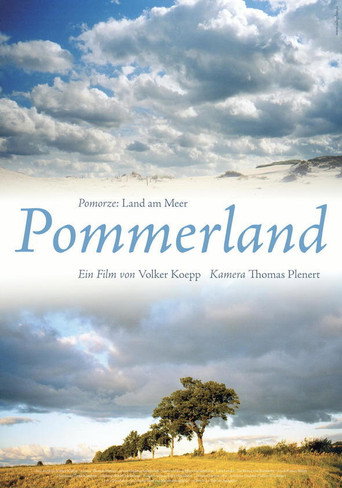
In his documentary film, Volker Koepp portrays the picturesque Polish region of Pomerania. But although the region appears to be idyllic, its inhabitants are struggling with big problems. The villages and cities of Pomerania that traditionally live from agriculture are hit by unemployment rates of up to 75% after the meltdown of the state farms. While most of the young people leave the region, some of them take their chances and start fresh – for instance, a young couple that tries to rebuild an agricultural farm with the help of EU funding. Furthermore, older inhabitants, including a spry 90-year old retiree from the Uckermark region who grew up in Pomerania, tell stories about the region′s eventful past.
Documentary about the region next to the river Memel.