Acting
No biography available.
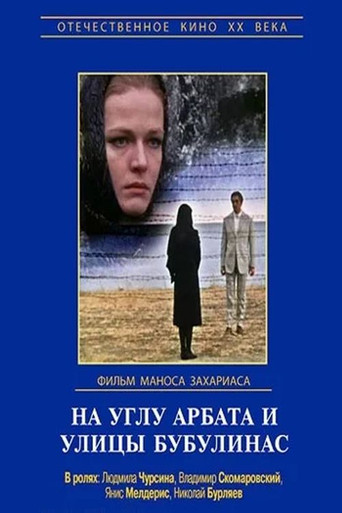
Soviet journalist Ksenia Troitskaya meets Greek film director Memos Yanidis in Moscow, where he is working on an anti-fascist film. As they stroll along the Arbat, they dream of one day meeting again at the corner of Arbat and Bouboulina Street in Athens. But upon returning to his homeland, Memos is imprisoned.
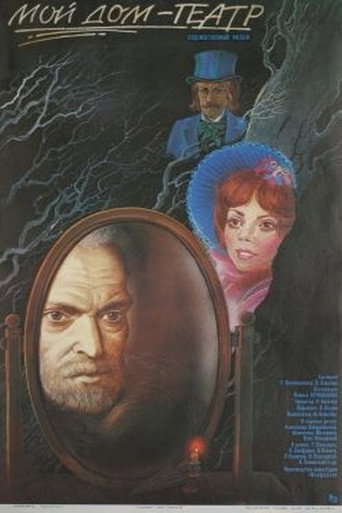
A.N. Ostrovsky recalls the first period of his creative work (1849–1859), when he began collaborating with the Maly Theatre and with masters of the Russian stage such as L.P. Kositskaya, M.S. Shchepkin, and P.M. Sadovsky. Almost every character in this film is a real historical figure.
A story about the famous Russian weightlifter Ivan Zaikin, who left the circus arena at the peak of his fame to dedicate himself to the art of aviation.
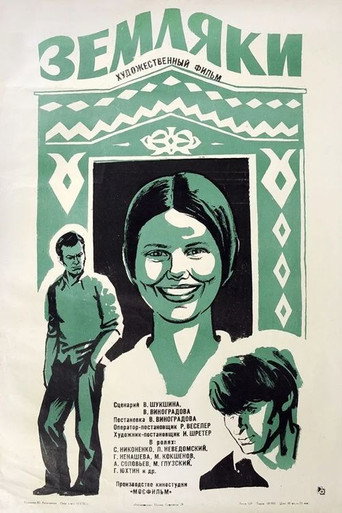
Ivan Gromov receives a telegram about his father's imminent death. He returns to his hometown in the country after many years away in the big city. However, he misses the funeral, arriving instead at his empty childhood home. He meets with his brother Semyon and his brother's longtime neighbor and love interest, Valentina, who won't return the latter's affections. A feud over Valentina ensues.
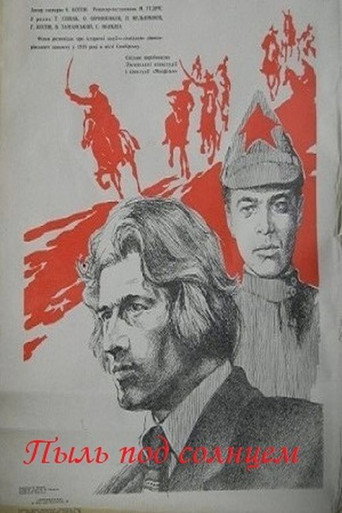
A movie about the suppression of the rebellion in Simbirsk, raised in 1918 by the left SR Muravyov, then commander of the Eastern Front of the Red Army. The head of the Simbirsk Bolsheviks Joseph Vareikis and the commander of the First Army Mikhail Tukhachevsky took part in the operation.
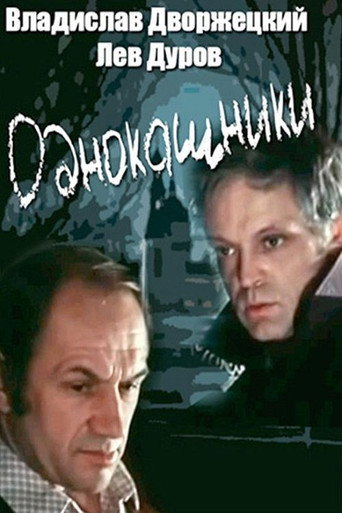
About the commissioning of a new rolling mill at the steel plant. The plot is based on the relationship between two fellow students at the institute - a senior official of the Ministry, who came to the start-up of the mill, and the director of the plant.
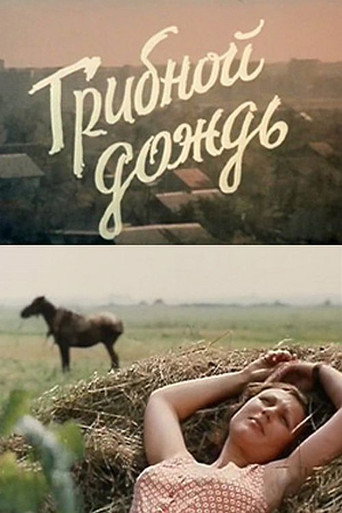
The staff of the printing house went to the whole team for mushrooms. As they set out on their way back, they noticed that one woman was missing. Colleagues easily believed that she had left earlier in a passing car, and drove home themselves. In fact, the woman stayed in the forest.
The plot is based on a conflict situation that arose during the delivery of a new building.
Vera Skobelev is a talented ballerina and choreographer. Her life, seemingly unorganized, is filled with deep meaning and love for everything around her...
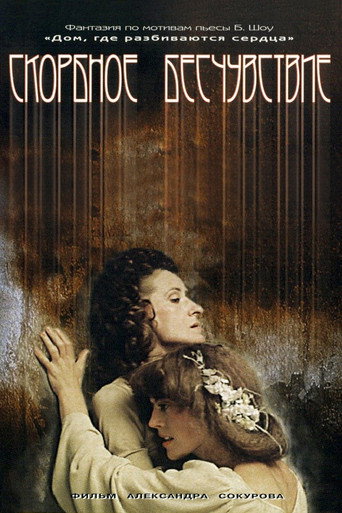
The action in this lavishly produced film takes place at an oddly ark-shaped mansion during World War I, and in spirit (although not in story) it reflects the play which inspired it, the ferociously antiwar Heartbreak House by George Bernard Shaw. A large group of family and friends have gathered at this country house to dance, drink, and converse. Their conversation, in particular, is adorned with erudite literary references and quotations. Despite their apparent refinement, their preoccupations are simple: sex and violence. Disquieting images break the tranquility of the vacationers' inappropriate idyll: some of these include documentary footage of starving African children, images (both real and re-enacted) of George Bernard Shaw going about his daily life, and a corpse coming to life on an autopsy table, only to cheapen that miracle by scolding a group of women. The music used in the film ironically points to its disturbing message and is uniformly anachronistic.