Acting
No biography available.
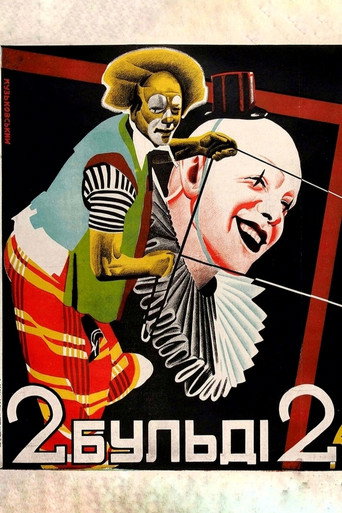
Naturally, the circus milieu of 2 Buldy 2 (1929) encourages stunts. A father and son, both clowns, are to perform together for the first time, but the civil war separates them, and the elder Buldy, tempted for a moment to acquiesce to the White forces, casts his lot with the revolution. At the climax Buldy Jr. escapes the Whites thanks to flashy trampoline and trapeze acrobatics; the gaping enemy soldiers forget to shoot.
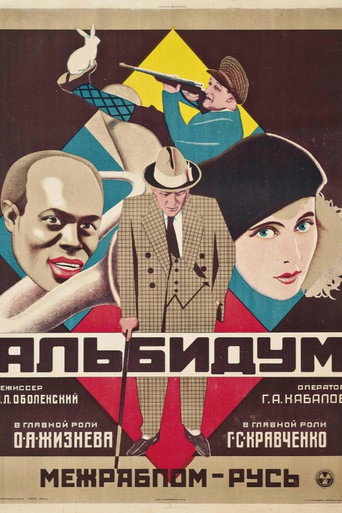
About the struggle of a Soviet agronomist to create a drought-resistant variety of wheat. His work is hampered by bureaucracy. When excellent qualities of Albidum, as the developed variety is called, receive wide recognition and authorities decide to export it, external market monopolies do everything possible to prevent the export of Albidum. The film is considered to be partially lost as only one seven-minute fragment is known and found.
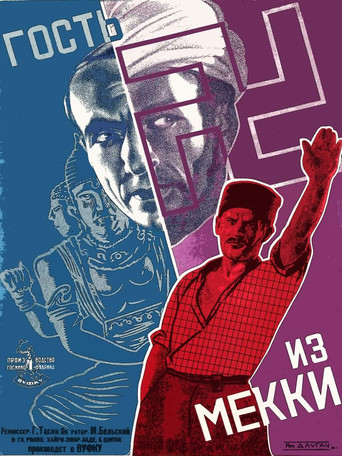
The action takes place in the early 1930s in the fictional Asian state of Gulistan. The construction of railways in the country is hampered by a strong foreign state. Under the guise of a “saint from Mecca,” a saboteur-provocateur arrives in Gulistan. Carrying out the will of his masters, he incites the people to hostility against any progressive actions in the country, preparing an uprising with the aim of causing foreign intervention. But the Gulistans expose the “saint”; their faith in the USSR is unshakable...
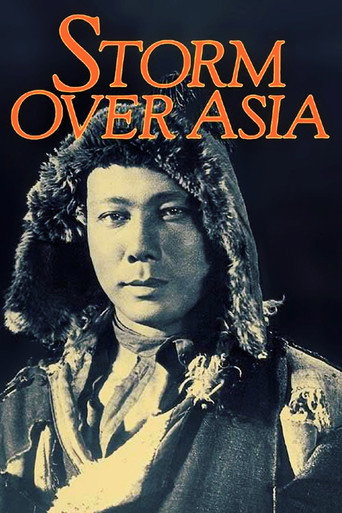
In 1918 a young and simple Mongol herdsman and trapper is cheated out of a valuable fox fur by a European capitalist fur trader. Ostracized from the trading post, he escapes to the hills after brawling with the trader who cheated him. In 1920 he becomes a Soviet partisan, and helps the partisans fight for the Soviets against the occupying British army. However he is captured by the British when they try to requisition cattle from the herdsmen at the same time as the commandant meets with a reincarnated Grand Lama. After the trapper is shot, the army discovers an amulet that suggests he is a direct descendant of Genghis Khan. They find him still alive, so the army restores his health and plans to use him as the head of a puppet regime. The trapper is thus thrust into prominence as he is placed in charge of the puppet government. By the end, however, the "puppet" turns against his masters in an outburst of fury.
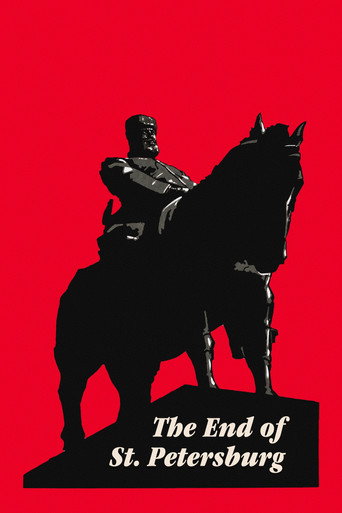
Shortly before the outbreak of WWI, a peasant from rural Russia arrives in St. Petersburg to find work.
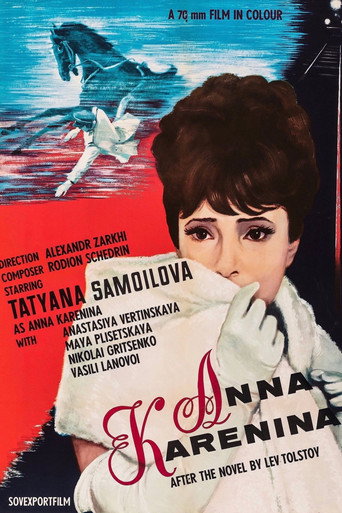
In Imperial Russia, Anna, wife of the officer Karenin, goes to Moscow to visit her brother. On the way, she meets charming cavalry officer Vronsky, to whom she's immediately attracted. But in St. Petersburg’s high society, a relationship like this could destroy a woman’s reputation.
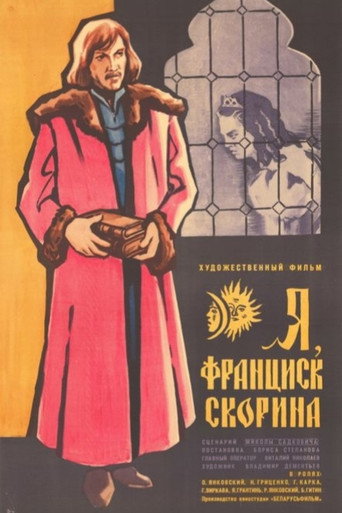
A film about the Belarusian publisher and educator Francis (Georgy) Skaryna, who lived in the first half of the 16th century, the founder of the first Belarusian printing house in Vilnius and the author of fundamental research in the field of linguistics.
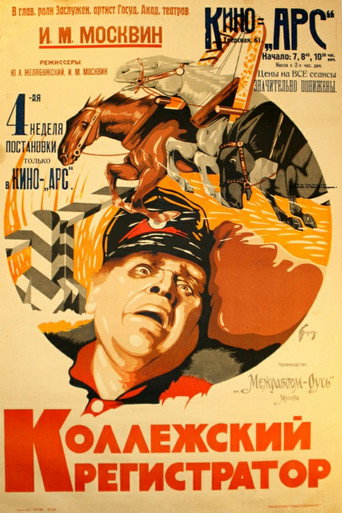
A small town postal official allows a military officer to take his lovely daughter away to St. Petersburg, assuming the man will do the right thing and marry her.Instead, a future of scandal and tragedy await her.
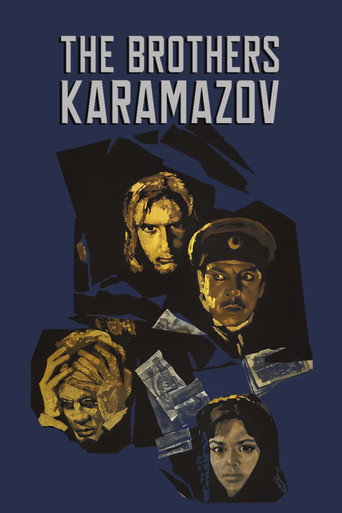
Based on the novel of the same name by Fyodor Dostoevsky. The tragic story of the Karamazov family takes place in a Russian province in the late 19th century. The relations of their father and three brothers are very complicated and contradictory. One of the brothers is accused of killing his father, whom he did not commit. The brothers are unable to help him, and only a loving girl follows him to hard labour.
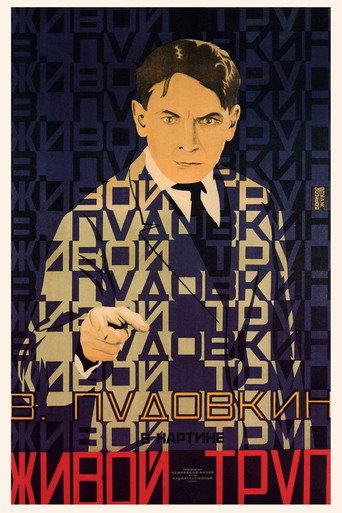
The central character of the play, Fedor Protasov, is tormented by the belief that his wife Liza has never really chosen between him and the more conventional Victor Karenin, a rival for her hand. He wants to kill himself, but doesn't have the nerve. Running away from his life, he first falls in with Gypsies, and into a sexual relationship with a Gypsy singer, Masha.