Acting
No biography available.
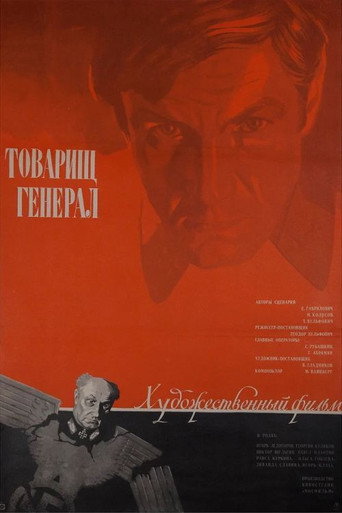
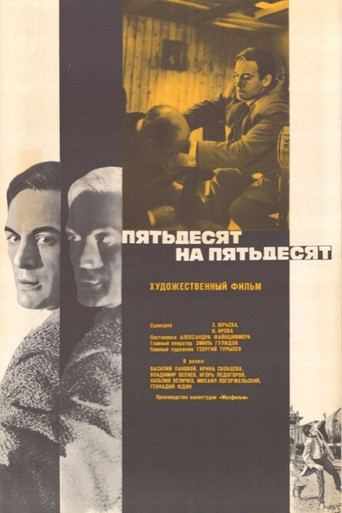
1941. Army commander Kapitonov takes the brunt of the German forces, striving to Rostov. Well aware of the tactics of the German General Leynts, Kapitonov brilliantly conducting an operation that was incorporated into the history of the war under the name "Dyakovo defense."
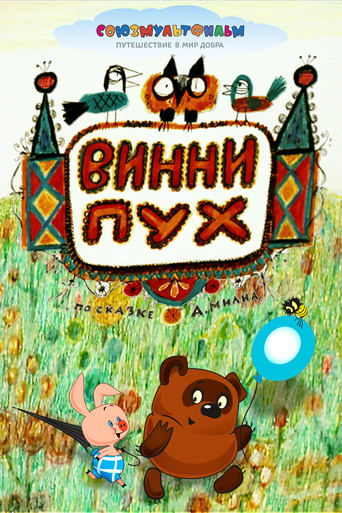
According to Winnie-the-Pooh himself, bears love honey very much. That's why it always runs out very quickly. And you can't do without honey, so Winnie, along with Piglet, sets off for a tall tree with a beehive hanging from it. Winnie fearlessly climbs up to the beehive on a balloon, singing a song about a little cloud.
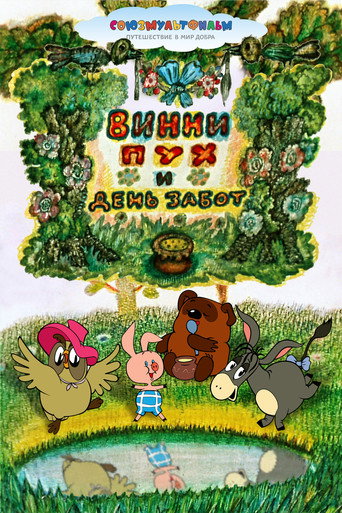
Another Soviet Winnie-the-Pooh story. This time the donkey, known from the Pooh stories as Eeyore, is sad because he has no tail. Pooh goes in search of one and finds it attached to a bell that hangs from the treehouse of one Owl.
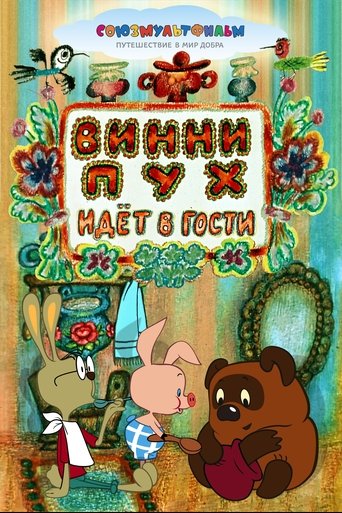
The second of the Soviet Winnie-the-Pooh series. This one had Pooh and Piglet visiting Rabbit for a meal with honey.
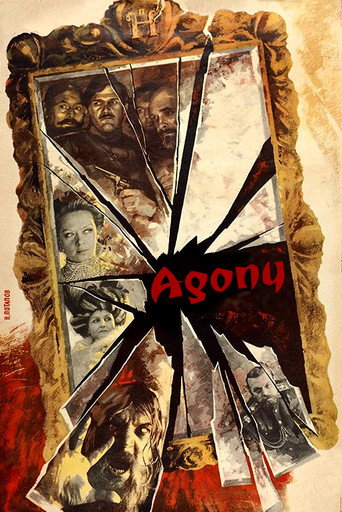
As an adviser to the emperor Nicholas II, mystic Grigori Rasputin holds great influence over the empire. However, many in St Petersburg begin to regard Rasputin, with his strange practices and mesmerizing qualities, as a liability and plot his assassination. When Rasputin, known to many as the 'Mad Monk', leads Nicholas to embrace an ill-conceived military strategy, a group of determined conspirators set down a plan to eliminate him.
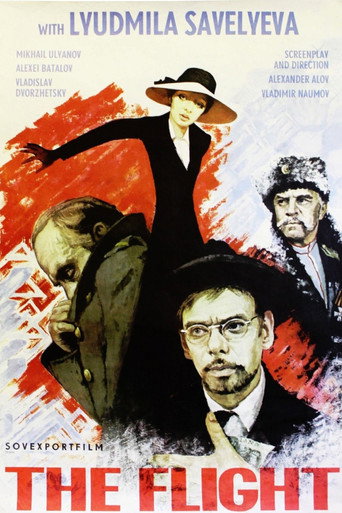
The film is about a group of people who in other times wouldn't have anything in common, some of them innocent bystanders, some moral criminals. But nothing is straightforward and simple. From Russia "the run" continues to Constantinople, to Paris, back to Russia. Some of them have understood that they can't live outside Russia and go back maybe to be happy, maybe not, some go back to face sure death for their crimes, some don't go back and know that are going to miss homeland forever, some are comfortably well off (are they?) in exile. Sentimental without syrup, tragic and comical at the same time.
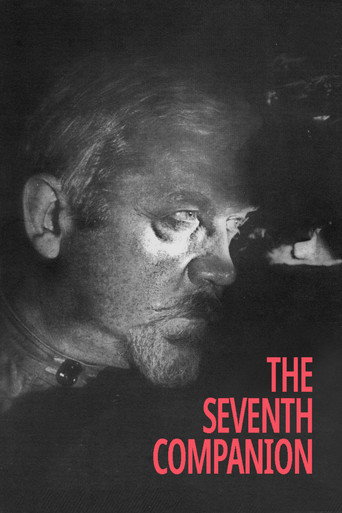
A portrait of the era of "Red Terror" during the civil war that followed the Bolshevik revolution, The Seventh Companion offers a character study in General Adamov (Andrei Popov), a law professor in the tsarist army, who is incarcerated by the Bolshevik secret police along with many other members of the bourgeoisie. Finally released into the new world of the Soviet Union, the resigned officer finds that he has lost everything from his old life except a mantel clock that he carries through the night from place to place, until he ends up back where he started.
A Soviet KGB agents are trying to prevent British-American operation of stealing information about an important scientific project from USSR.
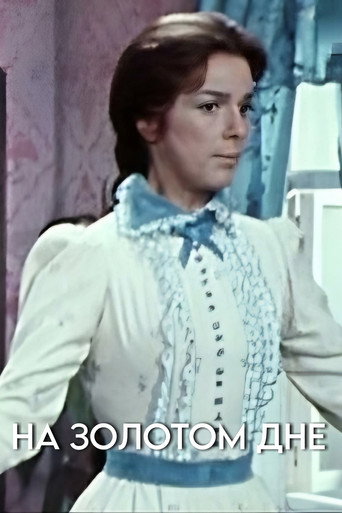
The play of the same name by Mamin-Sibiryak, staged by the Vakhtangov State Academic Theater. At the center of the play is the daughter of a bankrupt gold miner, who, faced with cruel morals, herself becomes a predator.
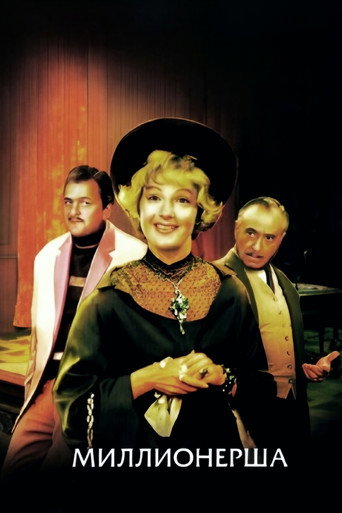
Teleplay by the Vakhtangov Theater based on B. Shaw's play of the same name.