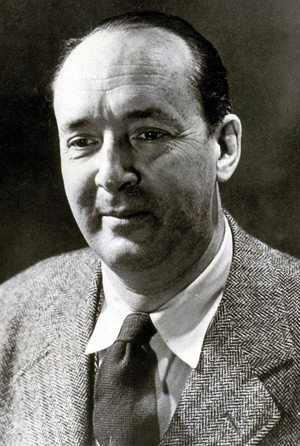
Vladimir Nabokov Movies, TV Shows, and Filmography
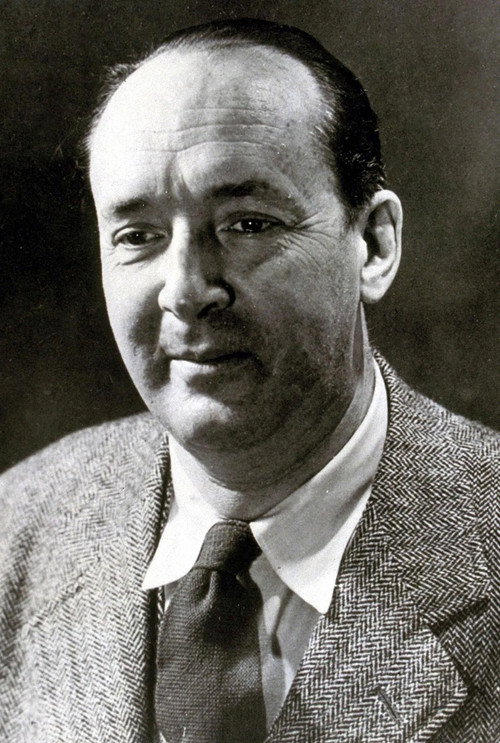
Vladimir Nabokov
Writing
Biography
Vladimir Vladimirovich Nabokov (1899-1977) was a Russian-born multilingual novelist, poet, translator, critic and entomologist considered the foremost of the post-1917 émigré authors. Born in Imperial Russia in 1899, Nabokov wrote his first nine novels in Russian while living in Berlin. He achieved international acclaim and prominence after moving to the United States, where he began writing in English. Nabokov was a professor of Russian literature at Cornell University from 1948 to 1959, before returning to Europe in 1961, where he settled in Montreux, Switzerland. Beginning with King, Queen, Knave (1928), his writing began to feature intricate stylistic devices. His novels are principally concerned with the problem of art itself, presented in various disguises, as in Invitation to a Beheading (1938). Parody is frequent in The Gift (1937–38) and later works. His novels written in English include the notorious best seller Lolita (1955), which brought him wealth and international fame; Pale Fire (1962); and Ada (1969). His episodic novel about an émigré professor of Russian in the United States, Pnin (1957), is to some extent based on his experiences as a literature professor. His critical works include a monumental translation of and commentary on Aleksandr Pushkin’s Evgeny Onegin.
Filmography Movies
Acting
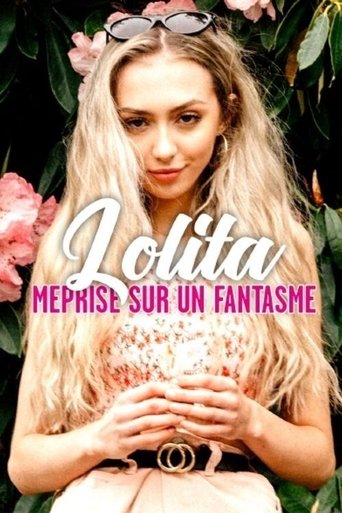
Lolita : méprise sur un fantasme
A fresh new look at Lolita, the famous and controversial novel published in 1955 by Russian writer Vladimir Nabokov (1891-1977), a masterpiece of English-language literature that has been constantly misinterpreted by countless readers who have mistakenly turned its young heroine into an erotic icon.
L'affaire Matzneff
About the Gabriel Matzneff affair and pedophilia in French culture and society from the 1950s to the present day. "It was not very difficult to know who Matzneff was at the time." Vanessa Springora denounces thus, in an interview with the Parisian , the support which benefited the writer Gabriel Matzneff , in the years 1970 and 1980. The author fifties then maintains an affair with the young girl, aged 14 years. A relationship under control that the editor tells in Le Consentement (éd. Grasset), published Thursday. "After having analyzed the work " , the Paris public prosecutor's office announced Friday January 3 the opening of an investigation for "rapes committed on the person of a minor of 15 years".
Production
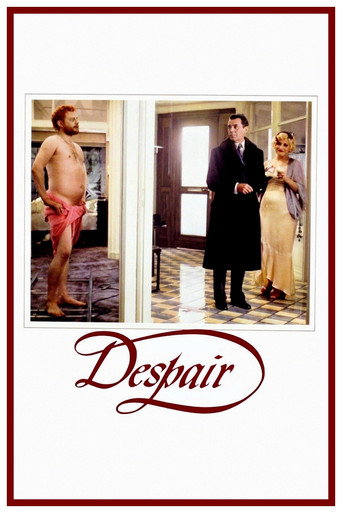
Despair
Berlin, 1930, during the rise of Nazism. Hermann Hermann, a Russian emigrant and chocolate manufacturer, married to the capricious Lydia, loses his temper more and more every day when dealing with his workers and other businessmen; until he meets Felix, a vagrant, who seems to be physically identical to him; a disconcerting fact that leads Hermann Hermann to plot a particular way out of a fake world he actually hates.
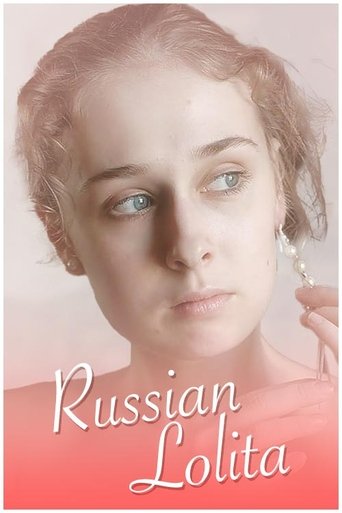
Russian Lolita
Very loosely based on Nabokov’s ‘Lolita’, this is the story of a writer renting a room at a single mother’s house that starts an affair with the daughter of her.
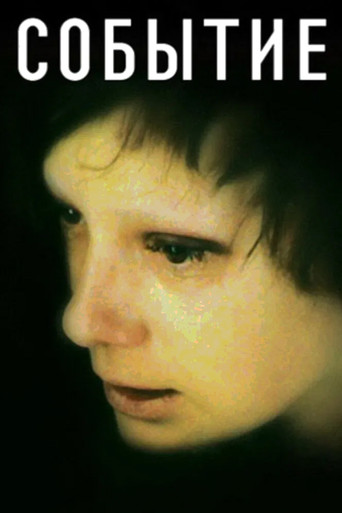
The Event
In the center of the painting is the story of the artist Troshcheikin, his wife Lyuba, her mother and sister. They live abroad, in a provincial small town populated by compatriots. The unexpected return to the city of a certain Barbashin turns the life of the family upside down. Five years ago, in a fit of jealousy, this man shot at Troshcheikin and his wife, wounded them and, after going to prison for six years, promised to return and finish what he started…

Longing for Sandy Bay
Workaholic geologist Timothy Deveraux is estranged from his wife, psychotherapist Antoinette. She seduces the big doctor, Dr. Sam Long, before telling him that she is married. The two share a close bond with ecological conservation, so when an arson incident comes up, Timothy feels compelled to destroy the mining company of his new Australian employer.
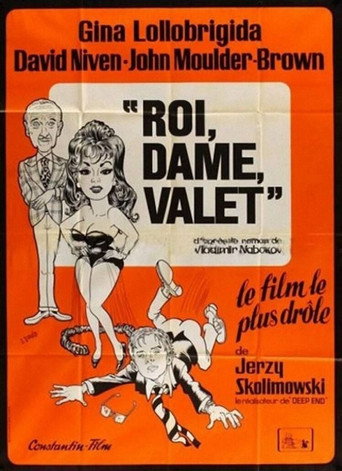
King, Queen, Knave
Based on a novel by Vladimir Nabokov, this English-language satirical drama details the experiences of Frank (John Moulder Brown), a young orphan who finds himself deep in the romantic clutches of his uncle's sensual wife. After Frank's parents die, he goes to live with his aunt Martha (Gina Lollabrigida) and uncle Charles (David Niven). Sexy Martha entices Frank into her embrace then wants him to kill her husband so that they can live off of his money. Frank wouldn't mind so much, but he really likes his uncle.
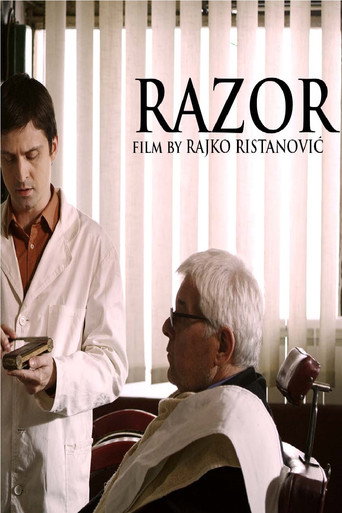
Razor
A game of destiny or cosmic justice?
A Nursery Tale
Follows an extraordinary weekend in the not-so-extraordinary life of Jinho. The story unravels around the fatalistic pattern of our meek hero's existence-where a chance meeting with the devil offers Jinho an escape hatch to his daily humdrum, and a shot at his greatest fantasy: a night of unbridled passion with all the women of his choosing as his personal sex slaves. Jinho's shy and idiosyncratic character, however, belie the true greed and foolery of his own desires-and steeped in his "Sysphus-esque" lack of self-knowledge, he falls prey to the glitter of the forbidden fruit.
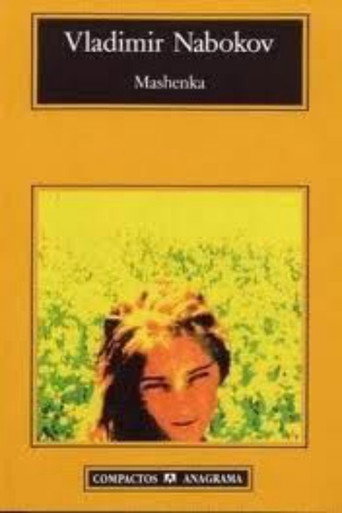
Набоков, Машенька
In a Berlin rooming house filled with an assortment of seriocomic Russian émigrés, Lev Ganin, a vigorous young officer poised between his past and his future, relives his first love affair. His memories of Mary are suffused with the freshness of youth and the idyllic ambience of pre-revolutionary Russia. In stark contrast is the decidedly unappealing boarder living in the room next to Ganin's, who, he discovers, is Mary's husband, temporarily separated from her by the Revolution but expecting her imminent arrival from Russia.
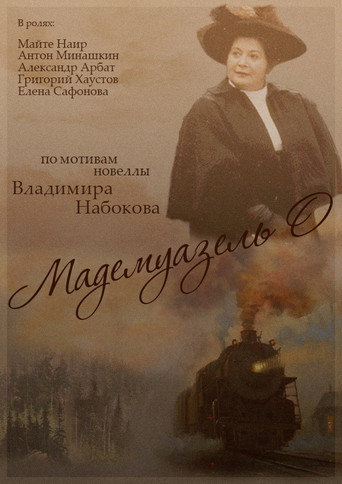
Mademoiselle O
About a young boy growing up to become a great artist. Set basically in St. Petersburg and a country dacha in Vyra during the aftermath of the 1905 Russian Revolution.
Bend Sinister
In a fictitious European city known as Padukgrad, where a government arises following the rise of a philosophy known as "Ekwilism", which discourages the idea of anyone being different from anyone else, and promotes the state as the prominent good in society.
Gallery