Directing
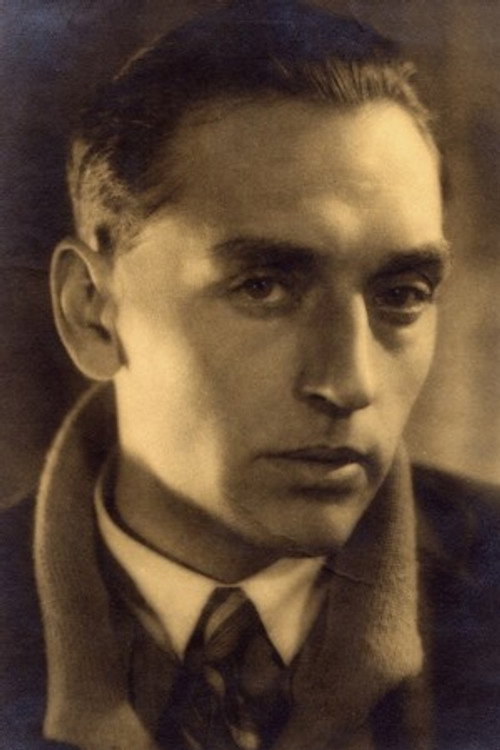
No biography available.
A young Belarussian man joins Soviet partisans in order to fight Polish occupational forces in Belarus.
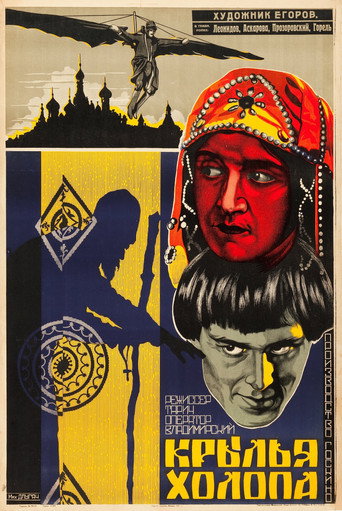
This SovKino production was a major early experiment in Soviet historical film about the oprichnina period of Muscovite history, combining the costumed drama and Gothic thrills of the genre with historical materialist commentary on the dialectical collision of scientific progress and patriarchal religious tyranny under Tsar Ivan the Terrible. It follows a self-taught inventor from the serf class Nikishka, whose efforts to build a flying machine incite accusations of witchcraft. Nikishka and his beloved Fima are persecuted by the feudal lord Kurlyatev, who took their village in a petty land squabble. They’re rescued when Kurlyatev’s lands are taken by the Tsar in his autocratic campaign against the feudal system. Ivan puts Nikishka to work in his linen mill, where the young serf is coveted by Tsarina Maria Temryukovna, who the Tsar’s been ignoring in favor of his cupbearer Feodor. A series of harrowing intrigues wind a bloody dance through bedchamber, feast hall, cathedral and dungeon.
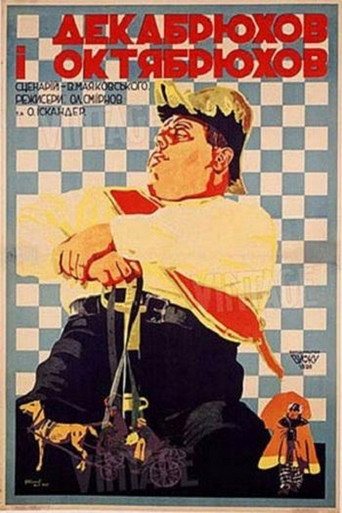
The bourgeois wedding of Dekabryukhova is interrupted by the machine-gun fire of revolution. He flees abroad, leaving his wife. Oktyabryukhov stays and adapts to the new life. At the end of the picture there is an attempt at universal reconciliation and the poet's tormenting theme "three-way love". Dekabryuhov returns to his homeland. His wife is already married to Oktyabryukhov. Having learned about it, Dekabryukhov tries to leave, but the newlyweds force him to stay.
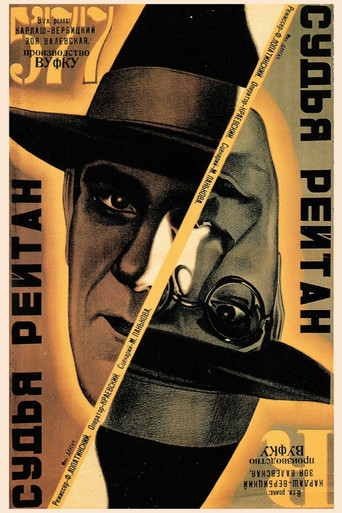
The story of the escape of the Romanian underground revolutionary, sentenced to death, from the dungeons of the Sigurans (secret police). Revolutionary Tom is very similar to Judge Reitan and this helps him on his way out. Lost movie.
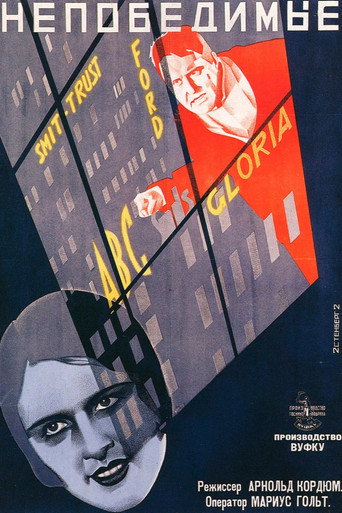
Lost movie based on the novel The Immortal by Lawrence H. Desberry. The board of the industrial syndicate headed by Thomas Deleston, makes a decision to prolong the working day. The worker Paul Notan calls people for political struggle. Deleston’s pro-fascist organisation Patriot Union attacks the workers. Paul is killed. His younger brother Joseph takes his place. Strikers have street battles with the fascists. But forces are unequal…
Intrigues are growing in the research institute...
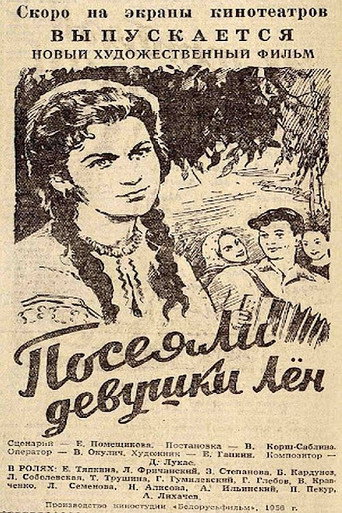
The manager of the Belarusian collective farm Naideika Krasovich, inspired by the award at the All-Union Agricultural Exhibition for the high flax harvest, gives her word to double the harvest. Many fellow villagers doubt her success, and only Grigory Pavlovich, the new director of MTS, who left his family in the city and came to the village at the call of the party, provides Nadeika with all kinds of support and excessive attention, because he loves and, it seems, is loved. In parallel to this story, a plot develops about the love of the tractor driver Zosya for the forester Yanka, who unrequitedly suffers for Nadeyka.
The events take place on the eve of the Great October Socialist Revolution. At the center of the film’s narrative is the судьба of a revolutionary grenadier regiment that played an important role in securing the victory of Soviet power in Belarus.
1917. The eve of the October Revolution. Having returned to St. Petersburg from exile, the Bolshevik Vaulin, despite police persecution, joins the Bolsheviks.
It depicts the story of several Russian soldiers during the World War I and the Russian revolution.
A symbolical telling of the history of the Belarusian people, their centuries-old struggle for liberation.
The young teacher Lobanovich, who has just graduated from the seminary, comes to the remote Polessky village of Telshino to teach the peasant children to read and write. In the heads of seminarians persistently hammered into the idea that the Tsar-father endlessly cares about the common people, and the people respond to him sincere filial gratitude. Arriving in the village, the teacher saw a different picture. The Poleshuk people are beaten down, driven, living in mud, darkness, tightly entangled in a network of prejudices and superstitions....