Acting
No biography available.
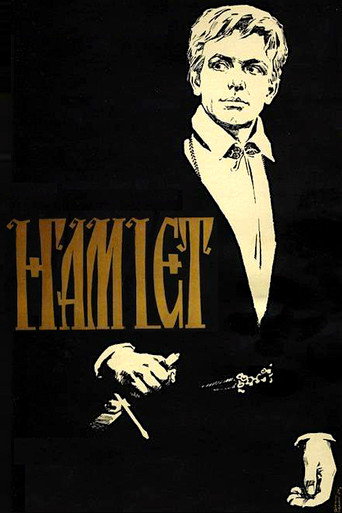
Shakespeare's 17th century masterpiece about the "Melancholy Dane" was given one of its best screen treatments by Soviet director Grigori Kozintsev. Kozintsev's Elsinore was a real castle in Estonia, utilized metaphorically as the "stone prison" of the mind wherein Hamlet must confine himself in order to avenge his father's death. Hamlet himself is portrayed (by Innokenti Smoktunovsky) as the sole sensitive intellectual in a world made up of debauchers and revellers. Several of Kozintsev directorial choices seem deliberately calculated to inflame the purists: Hamlet's delivers his "To be or not to be" soliloquy with his back to the camera, allowing the audience to fill in its own interpretations.
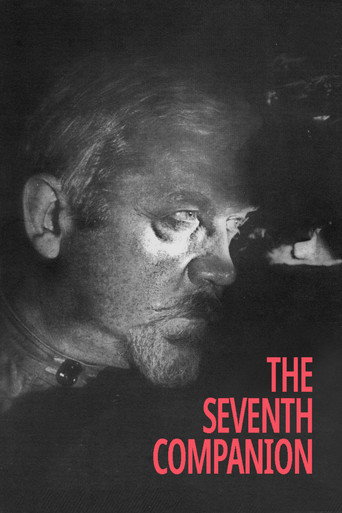
A portrait of the era of "Red Terror" during the civil war that followed the Bolshevik revolution, The Seventh Companion offers a character study in General Adamov (Andrei Popov), a law professor in the tsarist army, who is incarcerated by the Bolshevik secret police along with many other members of the bourgeoisie. Finally released into the new world of the Soviet Union, the resigned officer finds that he has lost everything from his old life except a mantel clock that he carries through the night from place to place, until he ends up back where he started.
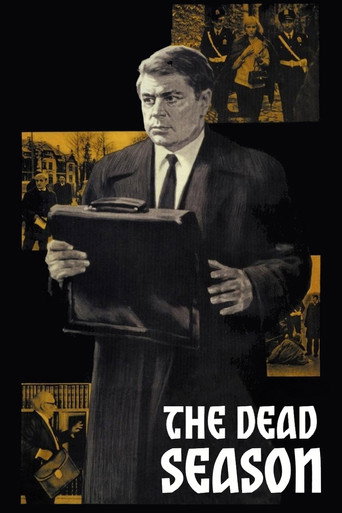
Soviet spy Ladeynikov learns that in one of the pharmaceutical centers in a small resort town works a former German war criminal, Dr. Hass, who is finishing the creation of a deadly chemical gas RH development that he began during World War II, experimenting on POWs. Since Ladeynikov doesn't know Dr. Hass's appearance, Soviet intelligence recruits an actor, Ivan Savushkin, who, during the war, escaped from a prison camp where Hass was testing his gas. Together, they must identify and stop him before he finishes and unleashes his weapon of mass destruction.
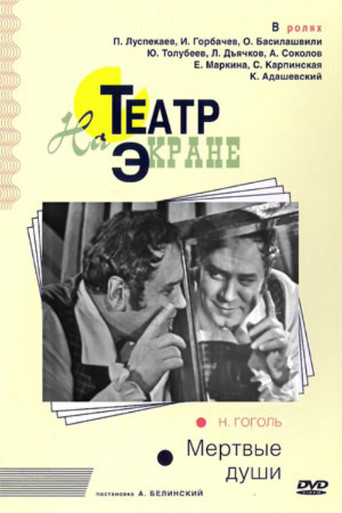
In "Dead Souls" Gogol posed the most pressing and painful questions of modern life. The very title of the poem had enormous revealing power; it carried, according to Herzen, “something terrifying”, “he could not name it otherwise; not the revisionists - dead souls, but all these Nozdryovs. Manilovs and all those like them are dead souls, and we meet them at every step..."
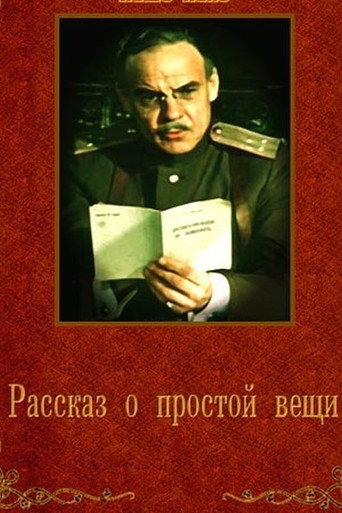
In order to carry out subversive work, the Chekist remains in a city occupied by whites. To do this, he moves into the doctor's apartment a singer, a graduate of the conservatory, who was joyfully welcomed by the doctor's family, and then, after the arrival of the whites, introduces himself as the husband of this singer, a businessman Couturier.
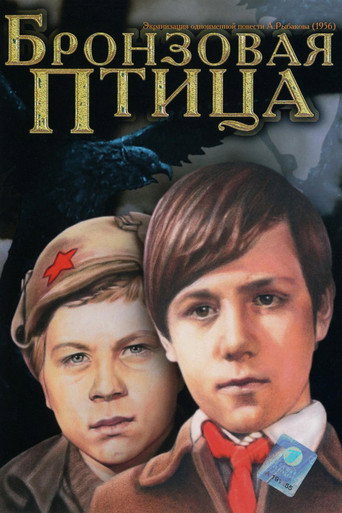
Three friends in a summer camp are looking for a treasure hidden in a old mansion.
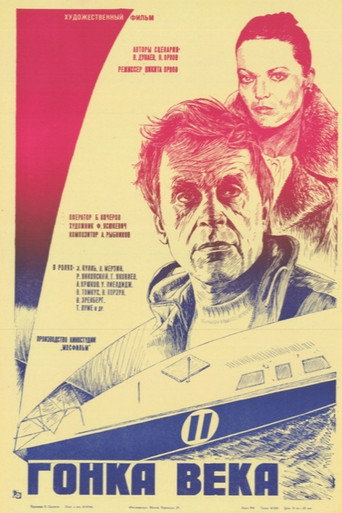
Russian film transplanting the tragic tale of Donald Crowhurst into then-contemporary anti-capitalist thought.
A biographical film about the life of the great Russian scientist, inventor of rocket technology and the founder of theoretical astronautics — Konstantin Tsiolkovsky, the hard spiritual work of the thinker, overcoming the stagnation of the surrounding and dramatic events of his family life.
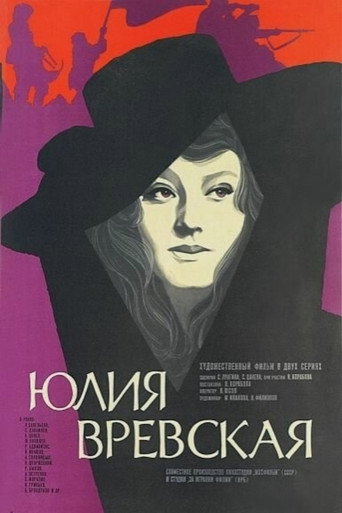
The film is based on a true dramatic story of the fate of a wonderful Russian woman - Countess Yulia Petrovna Vrevskaya, one of the first Petersburg beauties. The events of the movie take place during the Russian-Turkish war for the liberation of the Bulgarian people from the Turkish yoke. An early widowed baroness, having left Petersburg, and having invested all her money in organizing a volunteer sanitary detachment, she becomes a sister of mercy on the front of the Bulgarian war with the Ottoman Empire of 1878.