Acting
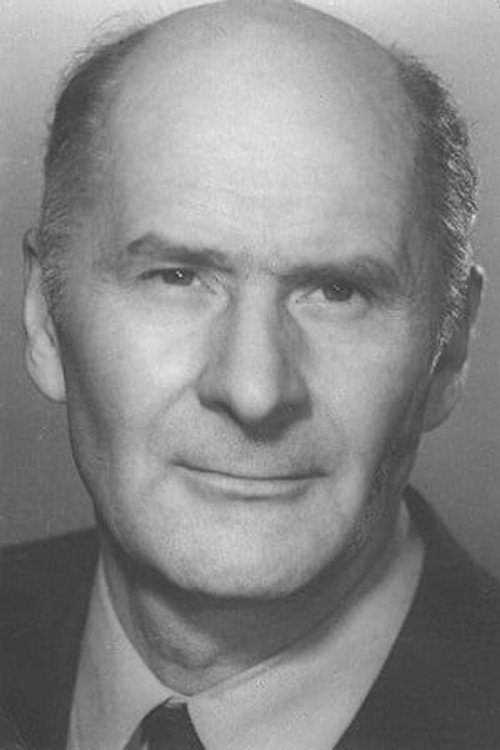
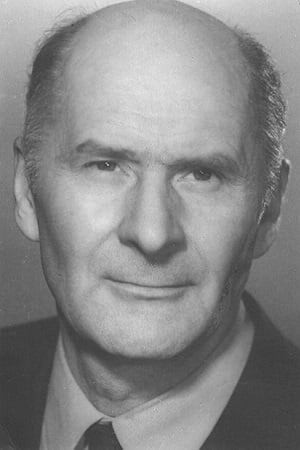
Volodymyr Oleksiyenko (1918-1995) was a Ukrainian actor. He was awarded the title "Merited Artist of Soviet Ukraine" in 1976.
An iconic Ukrainian play of the same name meets TV.
The film is about microbiological scientists who are exploring the causes and mechanisms of the action of oncological diseases, looking for ways to fight this insidious and dangerous disease for humans.
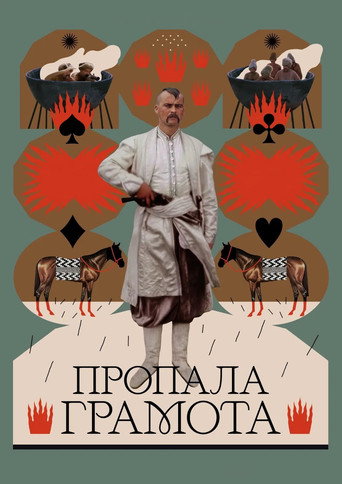
Folk comedy that tells the adventures of Ukrainian cossacks Vasyl and Andriy as they set out on a long journey to deliver a letter from their leader to the Russian empress in St. Petersburg.
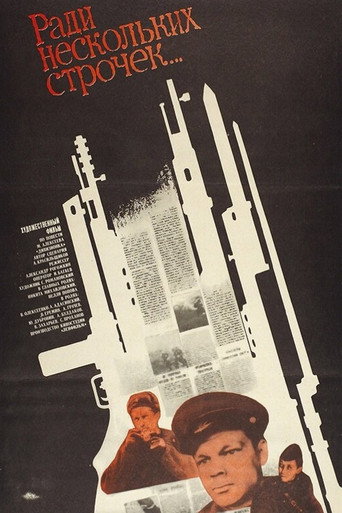
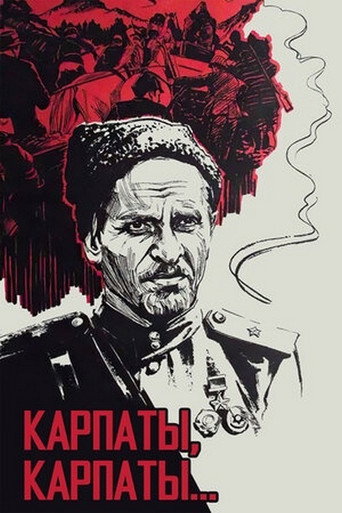
The Carpathians, 1944. The truck with the employees of the divisional newspaper was blown up by a mine. Everyone was alive, but the font was scattered by the blast wave — and now, under the bullets of the enemy, the newspapermen must collect the material of the next issue of the newspaper literally in fragments...
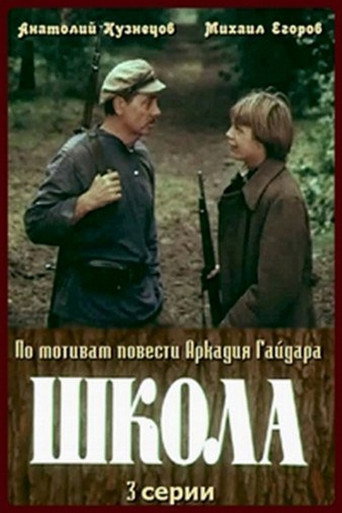
The action of the movie takes place during the Bolshevik coup. A fifteen-year-old teenager from the province, becoming a fighter of the Red Army, successfully passes the beginning of a great path of the school of “courage“...
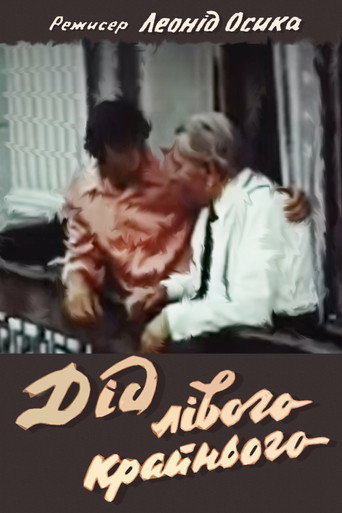
Trofim Bessarab has been working as a house painter for all his life. He is a pensioner now and it seems that he can let himself have a rest. But idleness is not for Trofim. His nature is to be a working man and he looks for the way to apply his irrepressible energy, he possesses despite his age.
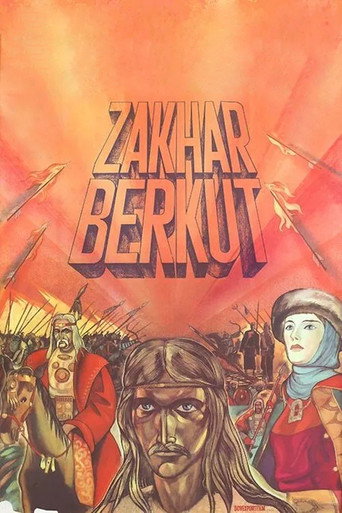
This film is based on the classic novel of the same name by writer Ivan Franko, one of the most famous figures of Ukrainian literature. It is set during the 1200s and the invasion of the medieval Ukrainian-Russian state of Rus' by Chengis Khan's Golden Horde. Due to its having been produced during the Soviet era, the story's aspect of class-conflict between the "heroic" peasantry and the "decadent" noble particularly emphasized here.
A third of a series of movies about Kovpak - the partisans chief during WWII.
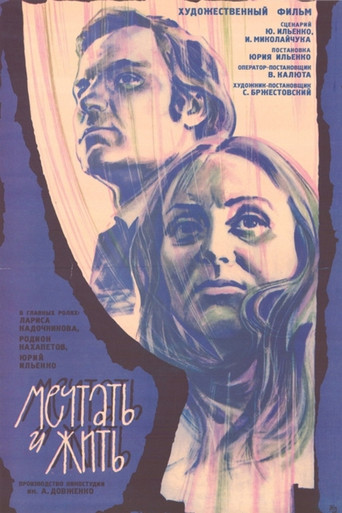
The script about loneliness, conformity and the impossibility of creative realization scared the editorial censorship at the studio, and then at Derzhkino. A lot of claims were made against him. The demands for amendments and endless additions and rewrites by the authors lasted for about a year. The original version of the title "Na pokhony!" ("To bow down!") was replaced by "To Dream and to Live". According to Pylyp Ilyenko, the director's eldest son, this name appeared "as a result of censor pressure." Censorship stopped the tape 40 times: at the stage of the literary script, director's, during film tests (the actors were not approved), filming, etc. The film catastrophically fell apart into fragments, into masterfully filmed, but unrelated scenes. The director called the finished version a "dead film".