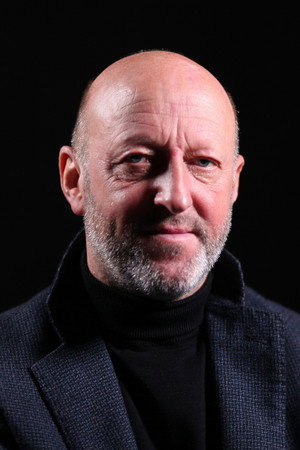
Vladimír Zboroň Movies, TV Shows, and Filmography
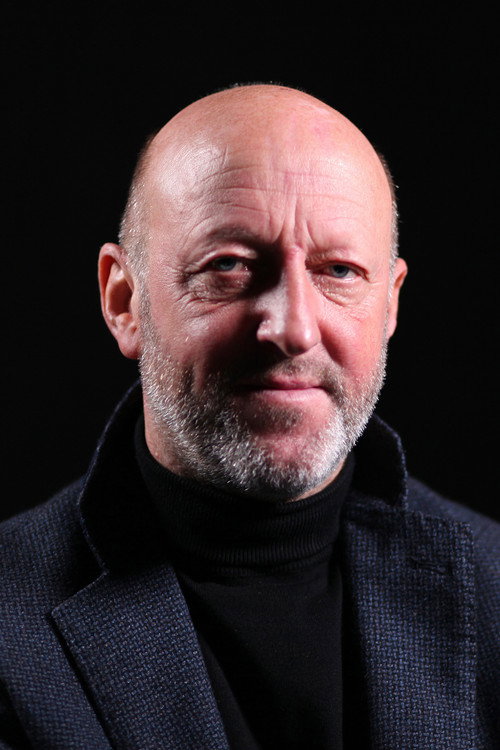
Vladimír Zboroň
Acting
Biography
No biography available.
Filmography Movies
Acting
Dušička
A marriage marked by the woman's mental illness, which not only determines the marital relations, but also makes the common life for both partners somehow emotionally deeper and stronger, although it eventually comes to an unexpected conclusion.
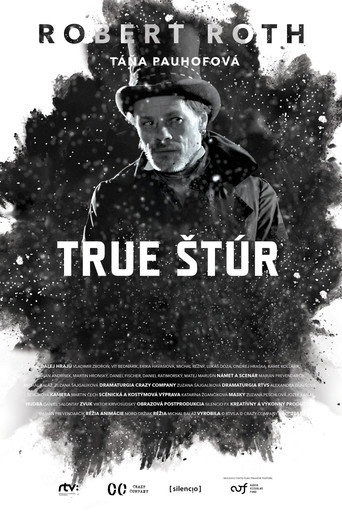
True Štúr
The film takes place during one January night in Modra in 1856. The main character is the mysterious Samuel Hronský (Robert Roth), a character created by the filmmakers. Hronský comes to Modra to attend Štúr's funeral. He cannot understand why his friend died so unexpectedly. He decides to find out if someone took him from this world. In addition to a lot of unexpected information, Hronský manages to discover during one freezing night that...
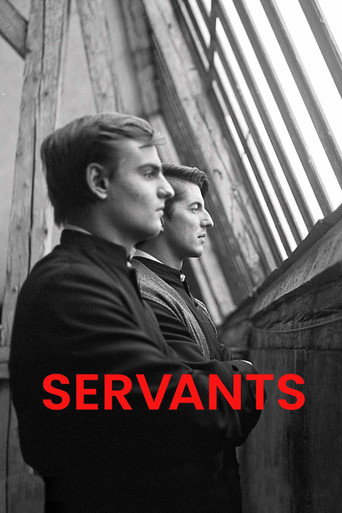
Servants
Michal and Juraj, two students of a theological seminary in totalitarian Czechoslovakia, must decide if they'll choose the easier way of collaboration, or if they'll subject themselves to the surveillance of the secret police.
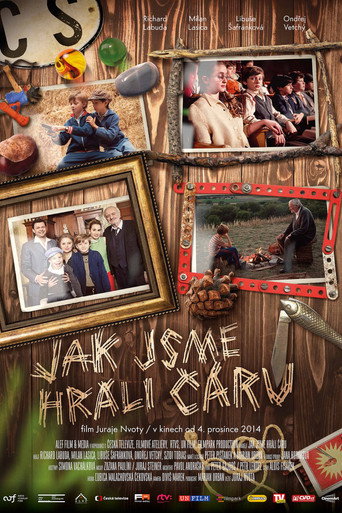
Hostage
Tragicomic family film about the world of children heroes - particularly the son of a local communist officer and his friend, a little hostage of the regime, whose parents emigrated to the West, few years before "Prague Spring" and the occupation of Czechoslovakia. Camaraderie, the first big discoveries of love, enemy gang fights and naive ideas are confronted with the reality of adult's world. The film is about the first contacts with bizarre and absurd reality of relationships and attitudes of adults, politics, emigration, but also betrayal and death and about how all those things form and transform the lives of small boys, who are forced to grow up too quickly.
Rojkovia
Poetic film from summertime Bratislava, reminiscent of Slovak films of the 1960s or the work of Dušan Hanák.
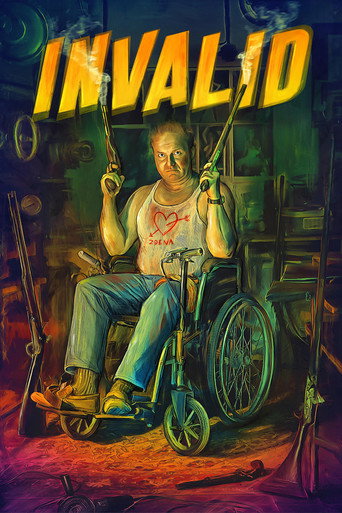
Invalid
Grumpy handyman Laco loses everything to a group of mobsters. Now wheelchair-bound and with his life spiraling, it's his new friend Gabo, a local Roma who helps Laco see things with a new perspective. Revenge is sweet.
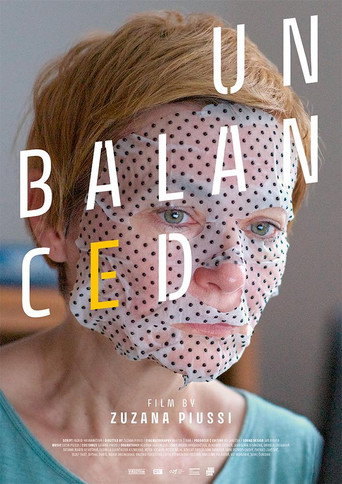
The Unbalanced
After a painful divorce, 50-year-old Nadia finally finds a good flat for reasonable price for her and her daughter. Too good to be true, and soon, albeit too late, she comes to understand the reason for the bargain. Her close neighbour in the house is mentally ill Valika who terrorises everyone around her. Piussi’s film creates a string of absurd encounters with increasingly menacing effects, but it is – at its core – a fantastically precise film about humanism, its consequences, its possible limits.
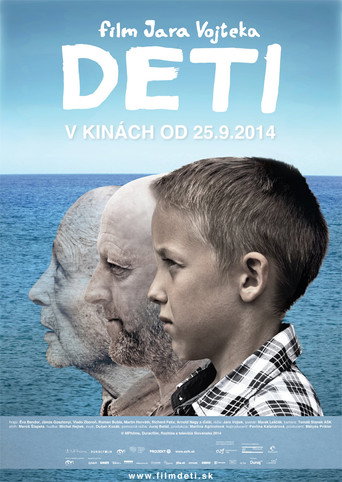
Children
Virtually without exception, a relation between parents and children is something that affects us throughout our lives. The first fiction film by award-winning documentarist Jaro Vojtek is an omnibus film about complicated relationships between parents and their children in which characters are challenged with long-term separation or declining health. Four stories titled Son, Marathon, Canary and Father tell four different tales that form a single view on the troubled relationship between parents and children. Each story takes place in a different season and together they create a multi-layered mosaic of relations reflecting hopes, disappointments and inevitable decisions. With a documentary filmmaker’s precision, Vojtek observes the characters and their behaviour, presenting an authentic picture of damaged family relations.
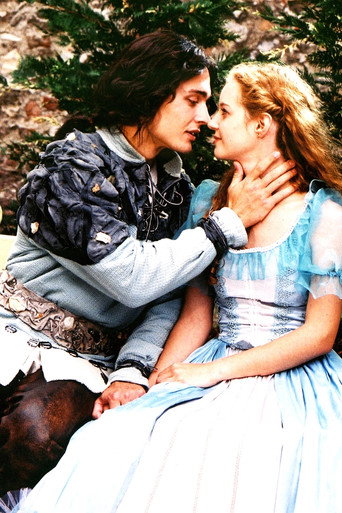
Dúhenka
The Lord of the Springs finds the abandoned infant Pramek and unjustly neglects King Zoran. However, his daughter Dúhenka loves Zoran and becomes his wife despite her father's prohibition. The ruler of the springs becomes angry and deprives Zoran's kingdom of water as punishment. After the birth of her daughter Rosenka, Rainbow decides to sacrifice herself to save the kingdom and returns to the sky. Zoran and his daughter yearn in vain for years to meet Dúhenka. Rosenka grows up, she is fit for marriage, but she has one condition for the suitors: they must obtain rainbow water. But only Pramko can do that. And so the Ruler of the Springs must once again struggle with human emotions, and Rosenka and Pramko face many obstacles before they can convince him of the power of human love.
Amnesty
Inspired by true events of the 1989 Czech and Slovak Velvet Revolution and Václav Havel's controversial release of 23000 prisoners. In addition to the story of three families affected by communist persecution, the film Amnesty also deals with the uprising of prisoners in Leopoldov, which required military intervention. The uprising was preceded by a broad amnesty granted by Václav Havel in January 1990, just a few days after his election as Czechoslovak president.
Gallery