Directing
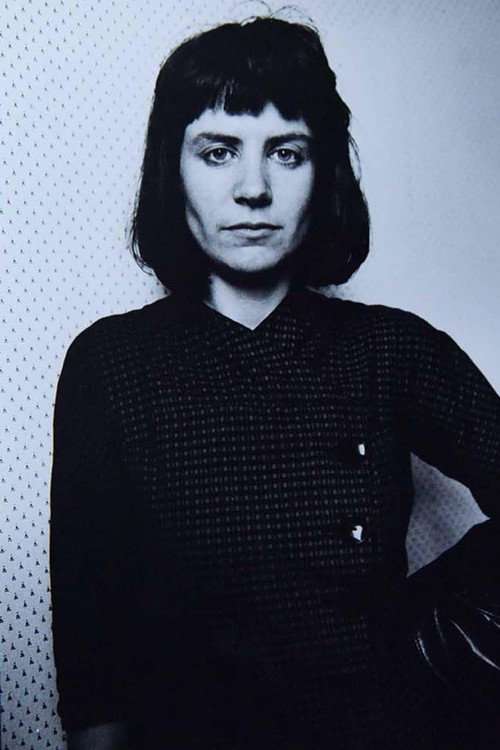
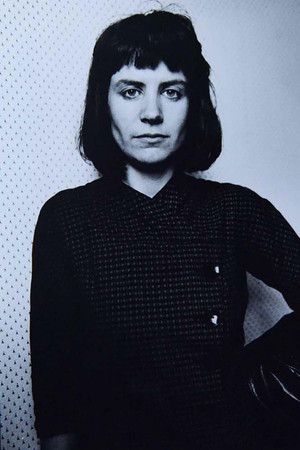
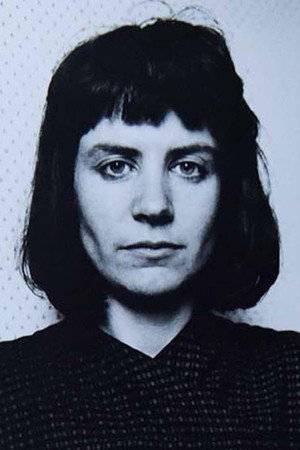
Vivienne Dick is an Irish feminist experimental and documentary filmmaker. Her 2014 fllm, The Irreducible Difference of the Other, acknowledges her longstanding interest in Luce Irigaray. Her early films helped define the No Wave scene.
This experimental short consists of eight unedited rolls of super-8 film, each of which profiles an individual woman in real time. The women engage in everyday behaviour, such as playing pinball or reading a letter aloud.
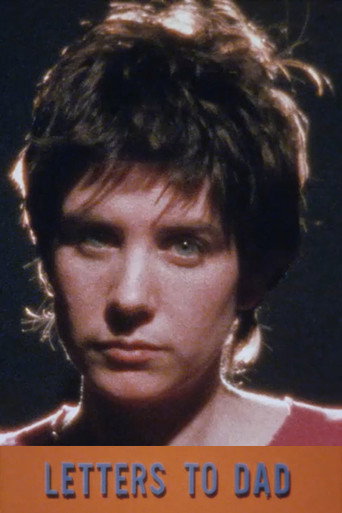
The almost lyrical Letters to Dad, is a meditation on authority that superimposes the spectre of Jonestown over the relatively fresh faces of the parapunk art world; the film takes on a musical form - like a 20th-century ballad composed of subliminal behavior cues, advertising testimonials, and the text of the National Enquirer
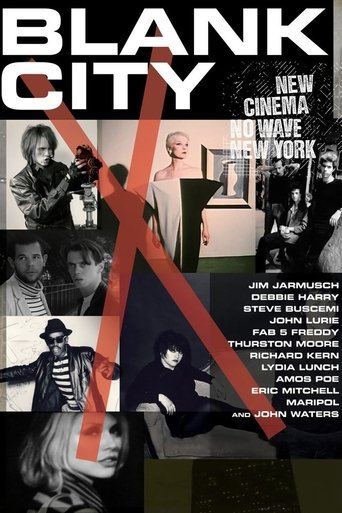
In the years before Ronald Reagan took office, Manhattan was in ruins. But true art has never come from comfort, and it was precisely those dire circumstances that inspired artists like Jim Jarmusch, Lizzy Borden, and Amos Poe to produce some of their best works. Taking their cues from punk rock and new wave music, these young maverick filmmakers confronted viewers with a stark reality that stood in powerful contrast to the escapist product being churned out by Hollywood.
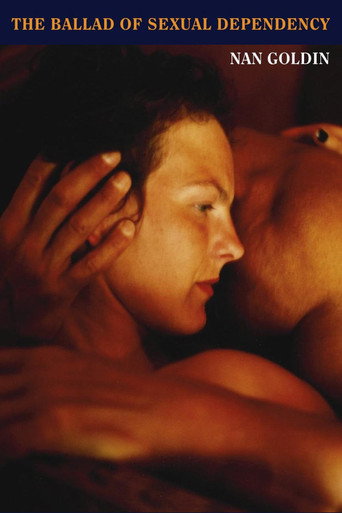
Nan Goldin's slide show “The Ballad of Sexual Dependency” converted, mixed and screened as a film by the artist, portraying the American underground culture, the no wave scene, post-Stonewall gay subculture, among others.
Bette Gordon describes her first feature film as “a narrative derived from film’s own material and my concern for exploring issues of representation and identification in cinema."
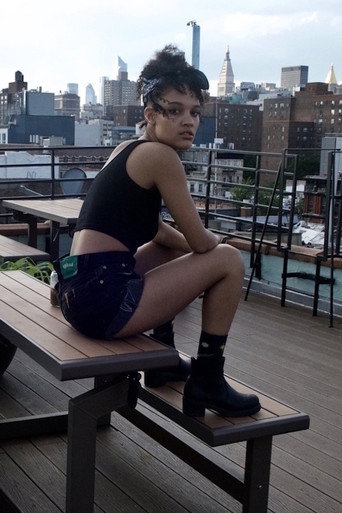
New York Our Time is an ethnographic look from the inside at a particular community and period in the history of a great city, and a meditation on the passing of time. Interviewees include photographer Nan Goldin, performer Lydia Lunch, and post-punk feminists Bush Tetras, as well as representatives of a new generation, the children of that 1970s era of free expression, now finding their own way through a city increasingly in thrall to market forces.
Two women – one passive and resigned, the other aggressive and domineering – interact in various locations in New York city. The film explores the dynamic between them before ending with a showdown at the roller-coaster on Coney Island.
"This experimental film embodies an implicit critique of the male paradigm where the fetishisation of property and privilege has resulted in a global ethical deficit."
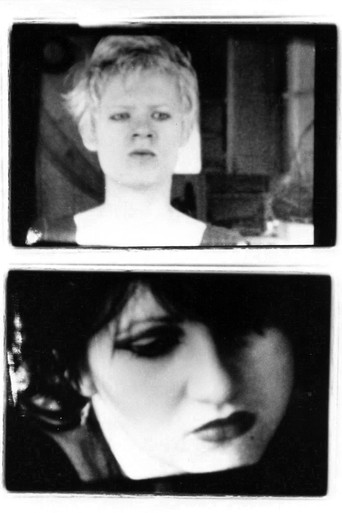
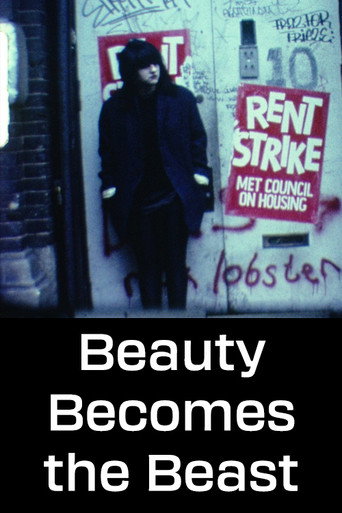
Beauty Becomes the Beast describes a random access world mediated by TV images and shards of popular culture. The film features a powerful performance by Lydia Lunch regressing from adulthood to childhood, hinting at a sexually abusive past. It concerns itself with the position of woman as subject and the way women experience patriarchal law and the heterosexual order.
Paying homage to her experimental contemporary Jack Smith, Vivienne Dick juxtaposes two quite different London landscapes.
Pat Place plays a creature who lives in an old abandoned barge on a rubbish strewn beach. The mood is post-apocalyptic and the music of Telstar mixed with domestic kitchen clatter.
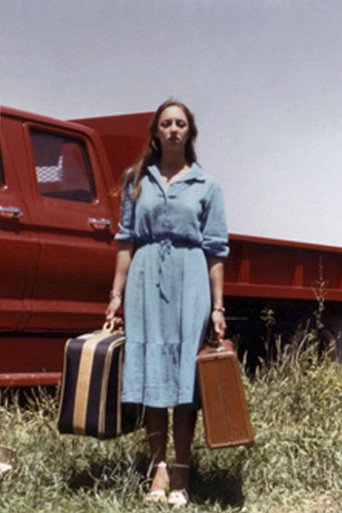
Vivienne Dick's first film after the New York series takes her back to her native Ireland. Using Super-8 film as a parody of the 'travelogue' or home-movie style film, Dick takes a expatriate, tourist look at her homeland. The narrative follows Margaret Ann Irinsky as the American tourist trekking from a Dublin populated by Hare Krishnas and rock music, to the horse-drawn carriages in the west of Ireland and the kissing of the Blarney stone. The quaint perception of Ireland and the Americanization of the native culture are contrasted with interviews from sectarian prisoners and footage of political marches. As in all her work, Dick uses a mixture of verité shots which capture the essence of the locality and intersperses them with images which have a totally different feel. This method is used to highlight issues in a subtle way wherein the camera takes an active rather than a voyeuristic role.
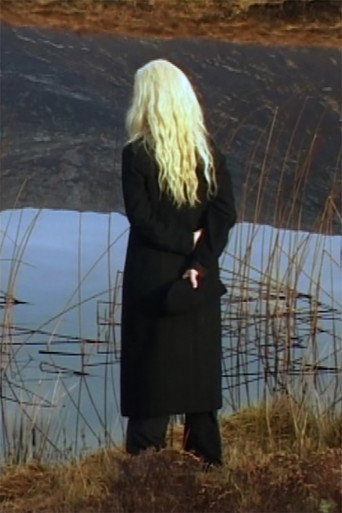
Lydia Lunch laments the difficulty of relationships in the wilds of Connemara, Ireland.
'The films I make are about my life and the people around me. I want to awaken the fearless self. A Skinny Man Attacked Daddy takes a look at the family and the place where I grew up. So much of what is 'me' comes from attitudes, expectations, fears, habits, beliefs that I inherited from my parents (and they in turn from theirs). The video is about separation form the family. My work is to try to know myself - the only way to change inherited patterns.' - Vivienne Dick