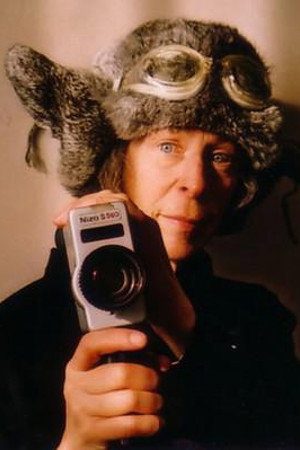
Vivian Ostrovsky Movies, TV Shows, and Filmography
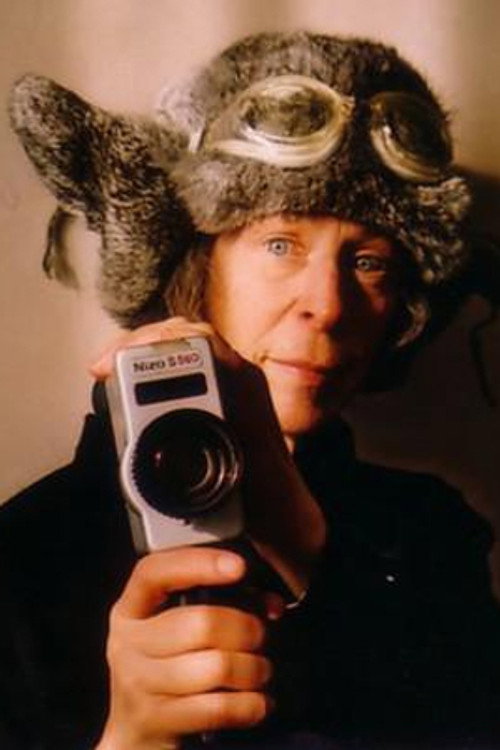
Vivian Ostrovsky
Directing
Biography
Vivian Ostrovsky (born on November 17th 1945 in New York, United States) is an experimental filmmaker and curator. Despite being born in New York, Ostrovsky spent most of her childhood in Rio de Janeiro, Brazil and did her secondary studies there. She then pursued her studies in psychology and film at the Sorbonne University in Paris. She began working for Ciné-Femmes, a group which fought for feminism and its recognition. In 1980, she became a filmmaker and abandoned her career as an activist. She organized a number of festivals, one of them being Jerusalem. Ostrovsky’s films explore the theme of transit and she situates herself after French filmmaker and critic, Yann Beauvais between the “journal film” and the “collage film”.
Filmography Movies
Acting
Plunge
DVD gathering 16 films by Vivian Ostrovsky made between 1982 and 2014.
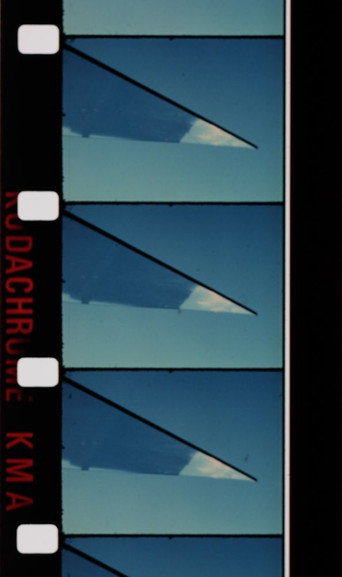
Mansfield K.
"Readings. A place. Purity of lines. Fine angles. Dominance of whites and blues. Fragility of tapered glasses." A visual evocation of the writing of Katherine Mansfield.
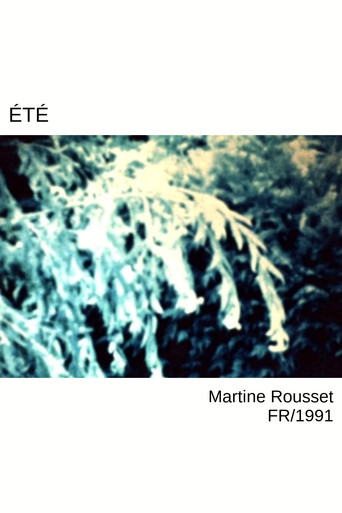
Été
The voices say a story. forget it. Of what time. And who speaks. Both of them. One or the other. later. Others may be. Of chance. Which would cross in this narrative. When. The times have intermingled. The winds meet. History. Pictures. The summer. Humble vacancy with furtive foliage. Fragile memory. Light is a trace of forgetfulness.
Laure
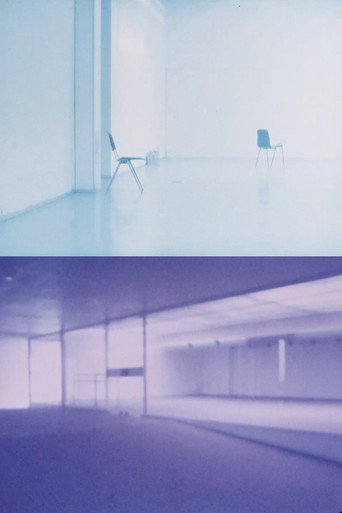
An unknown writer written under the pseudonym of Laure at the beginning of the century. Readings. Geography. The places of a writing. The forces that create, traverse and lose it. The two image strips will be contiguous on the same screen. Their continuous and simultaneous operation. Two mirrors. The voices and their silences are reflected in it. Fade away.
Kleist
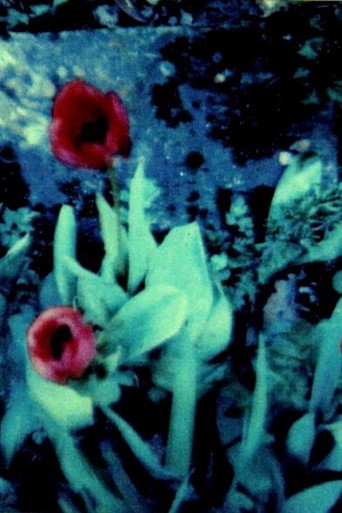
Readings. Heinrich von Kleist / Robert Walser. Contiguous. They talk about imagination. Walser imagines Kleist, Kleist nobody, but Penthesilea. In the new desert islands that are the enclaves of flowers of the city. Roses of sidewalks. Wild spaces with anonymity, truncated and without paths, in the banal stones of any career, inscribe and break the voices of an abrupt literary, hermetic and arid fragments in the image of places, almost no of place. Images figures of writing. In the blind corner. Without access. Very few signs.
Passages
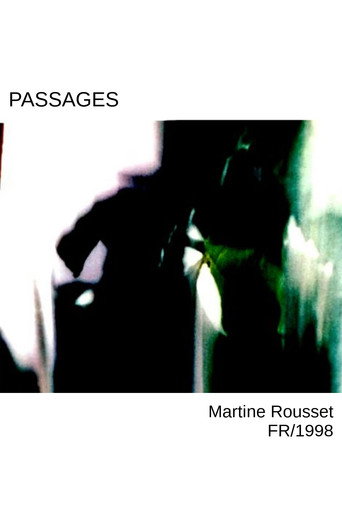
Originally a text in fragments, more or less biographical, of different characters. Crossed stories, mixed times, memories and inventions. Coming from the voices encountered. They look like text like sisters. They are the voices of memory, the shadows cast by the characters, the voices of girls, the voices of indecision and evocation. We begin with this work: to read, to record (in analog, it takes breath). Here comes a place, a place found: the foliage of a vine in the South, crossed by the wind Mistral: a landscape. Where are we? Where the boy dies, would we see what he sees? Where was the child playing in the neighborhood? At the heart of the narrative, at the heart of the written word? That would happen. Harvesting images, shifting gears, Multiplying the generations with the listening of the voices, even in memory sometimes.
Nikita Kino
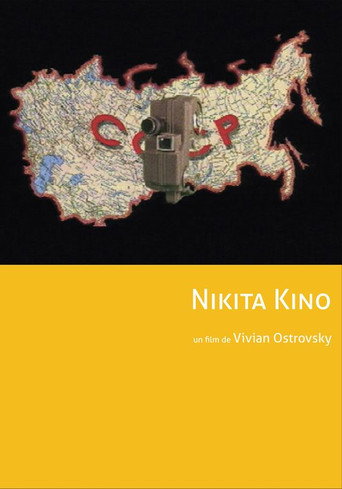
"The film is a travelogue of sorts. In 1960 my family lived in Brazil when my father discovered his sister and brother in Moscow, who he hadn't seen for 40 years, were still alive. Since they couldn't leave the USSR we went to visit them regularly for about 15 years. At the time I had my 8mm then a super 8 camera with which I filmed the family, our outings, picnics, markets and their homes… I decided to use this material, which was not very interesting per se, by mixing it with Soviet found-footage of the same period (1960's, 1970's, 1980's). I used feature films, propaganda footage, newsreels, etc. The result is a kind of Khruschev-era mix with a collage of Soviet music and a voice-over of my memories of the Cold War period."
But Elsewhere Is Always Better
A new short film by Vivian Ostrovsky remembering Chantal Akerman, beginning with their first meeting in the early 1970s. Using her own footage of Chantal Akerman, the filmmaker remembers a few moments that illustrate Chantal's personality. Forty years of friendship condensed into four minutes...
Cinexpérimentaux #3: Vivian Ostrovsky
Vivian Ostrovsky is a nomad film-maker, born in New York. Student in Brazil then in Paris, which takes its camera of continent in continent since 1980. Her work, in the border of the documentary and the experimental, touches the filmed journals and is interested in the individuals rather than in the masses, in the physical language, in the unusual of the situations and in the sensible editing of the images and the sounds.
Portraits / Mirrors
A single-screen version of the Portraits / Mirrors multi-projection. Featuring portraits of: Aloual, Gaël Badaud, Raphaël Bassan, Yann Beauvais, Jean-Michel Bouhours, Gérard Courant, Berndt Deprez, Bertrand Gadenne, Mythia Kolésar, Christian Lebrat, Stéphane Marti, Pascal Martin, Michel Nedjar, Dominique Noguez, Vivian Ostrovsky, Bernard Roué, Martine Rousset, Alain Sayag, Unglee, and Catherine Zbinden.
Production
Son chant
"Going through my mini DVs shot over the past decade, I rediscovered a forgotten night sequence of Chantal Akerman and Sonia Wieder-Atherton leaving a brasserie where we had dined together in Montparnasse. The excerpt stayed with me for a while. This prompted me to focus on Chantal’s sound work in her films and her very close collaboration with cellist, Sonia Wieder-Atherton with whom she made more than 20 films. And, since New York, Paris and Moscow were places the three of us had in common, I intertwined some of my images with hers."
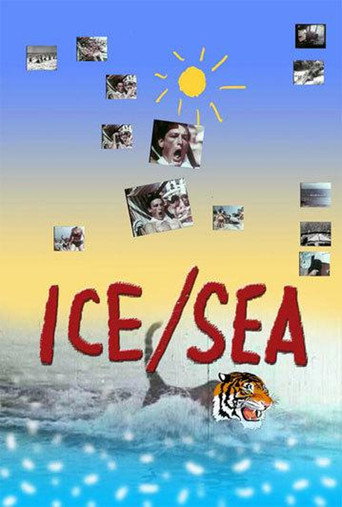
Ice/Sea
Funny collage of sea, sun and ice. A show from the beach with skiers, tigers, mermaids and much more.
Work and Progress
A trip to Russia by two filmmakers in 1990, forms the bulk of this twin-screen projection, finished some 9 years later; Their super-8 footage mixed in with archival material (and a sprinkling of the classics such as Vertov and Eisenstein).

A Skitsch
"A sketch on skis - in memory of my father, an urban snowman [...] December 2012"
Plunge
DVD gathering 16 films by Vivian Ostrovsky made between 1982 and 2014.
But Elsewhere Is Always Better
A new short film by Vivian Ostrovsky remembering Chantal Akerman, beginning with their first meeting in the early 1970s. Using her own footage of Chantal Akerman, the filmmaker remembers a few moments that illustrate Chantal's personality. Forty years of friendship condensed into four minutes...
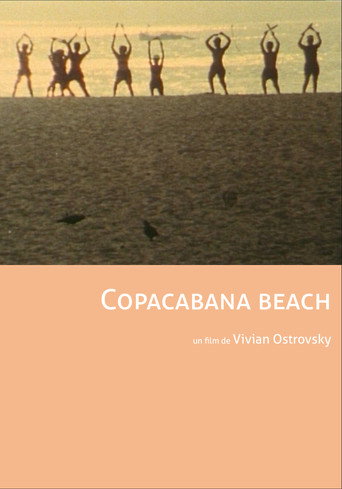
Copacabana Beach
A humorous glimpse of what happens every morning on the wavy sidewalks of Copacabana Beach. Physical fitness, Brazilian style, with a dash of soccer and hints of Carmen Miranda.
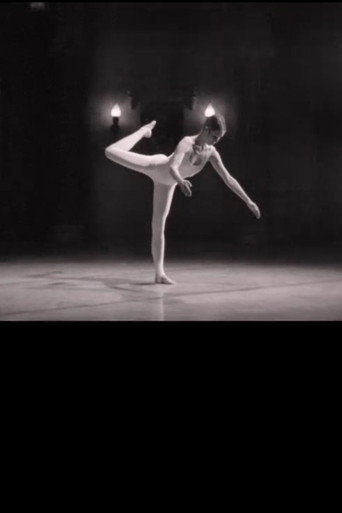
Carolyn II
Portrait. She dances in the center of her area. Obscure to the look. She abandons us to her limit. Turn. Count the chips. Conjugate. Turn on yourself, in a blind echo. Cross the already deserted space.
Nikita Kino
"The film is a travelogue of sorts. In 1960 my family lived in Brazil when my father discovered his sister and brother in Moscow, who he hadn't seen for 40 years, were still alive. Since they couldn't leave the USSR we went to visit them regularly for about 15 years. At the time I had my 8mm then a super 8 camera with which I filmed the family, our outings, picnics, markets and their homes… I decided to use this material, which was not very interesting per se, by mixing it with Soviet found-footage of the same period (1960's, 1970's, 1980's). I used feature films, propaganda footage, newsreels, etc. The result is a kind of Khruschev-era mix with a collage of Soviet music and a voice-over of my memories of the Cold War period."
Nikita Kino
"The film is a travelogue of sorts. In 1960 my family lived in Brazil when my father discovered his sister and brother in Moscow, who he hadn't seen for 40 years, were still alive. Since they couldn't leave the USSR we went to visit them regularly for about 15 years. At the time I had my 8mm then a super 8 camera with which I filmed the family, our outings, picnics, markets and their homes… I decided to use this material, which was not very interesting per se, by mixing it with Soviet found-footage of the same period (1960's, 1970's, 1980's). I used feature films, propaganda footage, newsreels, etc. The result is a kind of Khruschev-era mix with a collage of Soviet music and a voice-over of my memories of the Cold War period."
Gallery