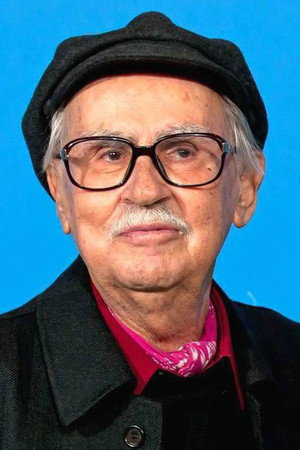
Vittorio Taviani Movies, TV Shows, and Filmography
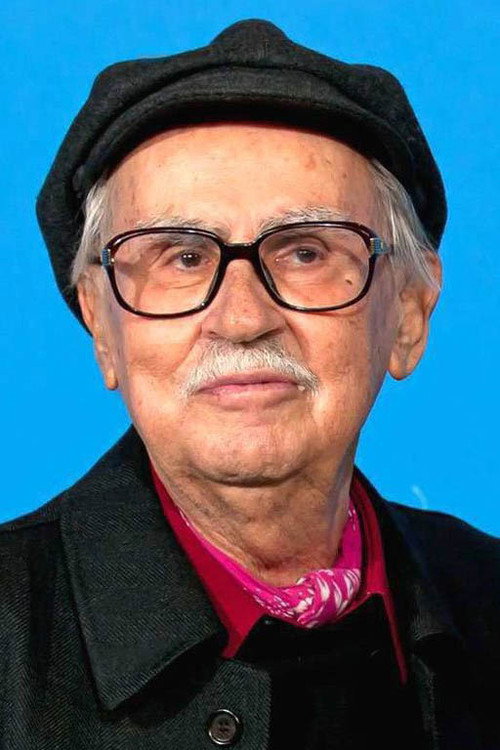
Vittorio Taviani
Directing
Biography
Paolo Taviani (born 8 November 1931) and Vittorio Taviani (20 September 1929 – 15 April 2018), collectively referred to as the Taviani brothers, were Italian film directors and screenwriters who collaborated on film productions. At the Cannes Film Festival, the Taviani brothers won the Palme d'Or and the FIPRESCI prize for Padre Padrone in 1977 and the Grand Prix du Jury for La notte di San Lorenzo (The Night of the Shooting Stars, 1982). In 2012 they won the Golden Bear at the Berlin International Film Festival with Caesar Must Die. Vittorio Taviani died on 15 April 2018 at the age of 88. Both born in San Miniato, Tuscany, Italy, the Taviani brothers began their careers as journalists. In 1960 they came to the world of cinema, directing with Joris Ivens the documentary L'Italia non è un paese povero (Italy is not a poor country). They went on to direct two films with Valentino Orsini, Un uomo da bruciare (A Man to Burn) (1962) and I fuorilegge del matrimonio (Outlaws of Marriage) (1963). Their first autonomous film was I sovversivi (The Subversives, 1967), with which they anticipated the events of 1968. With actor Gian Maria Volonté they gained attention with Sotto il segno dello scorpione (Under the Sign of Scorpio, (1969) where one can see the echoes of Brecht, Pasolini, and Godard. In 1971, they co-signed the media campaign against Milan's police commissioner Luigi Calabresi, published in the magazine L'espresso. The revolutionary theme is present both in San Michele aveva un gallo (1971), an adaptation of Tolstoy's novel The Divine and the Human, a film greatly appreciated by critics, and in the film Allonsanfan (1974), in which Marcello Mastroianni has a role as an ex-revolutionary who has served a long term in prison and now views his idealistic youth in a much more realistic light, and nevertheless gets entangled in a new attempt in which he no longer believes. Their next film Padre Padrone (1977) (Palme d'Or at the Cannes Film Festival), taken from a novel by Gavino Ledda, speaks of the struggle of a Sardinian shepherd against the cruel rules of his patriarchal society. In Il prato (1979) there are nonrealistic echoes, while La notte di San Lorenzo (The Night of the Shooting Stars, 1982) narrates, in a fairy-tale tone, a marginal event in the days before the end of World War II, in Tuscany, as seen through the eyes of some village people. The film was awarded the Special Jury Award in Cannes. Kaos (1984)—another literary adaptation—is a poignantly beautiful and poetical film in episodes, taken from Luigi Pirandello's Short Stories for a year. In Il sole anche di notte (1990) the Taviani brothers transposed in 18th century Naples the story from Tolstoy's Father Sergius. From then onwards, the Tavianis' inspiration proved faltering. Successes like Le affinità elettive, (1996, from Goethe) and an attempt to woo the international audiences like Good morning Babilonia, (1987), on the pioneers of cinema history, alternate with lesser films like Fiorile (1993) and Tu ridi (1996), inspired by the characters and short stories of Pirandello. ... Source: Article "Paolo and Vittorio Taviani" from Wikipedia in English, licensed under CC-BY-SA 3.0.
Filmography Movies
Acting
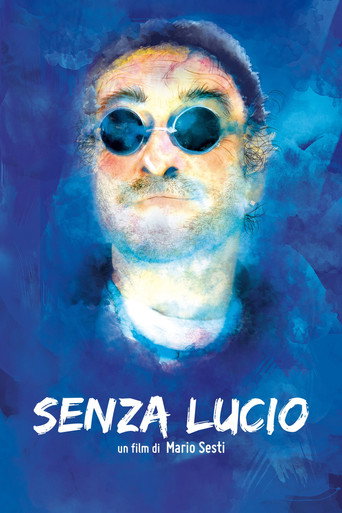
Senza Lucio
The singer-songwriter Lucio Dalla seen through the eyes of the person closest to him in the last twenty years: Marco Alemanno. The tale of how they met and how he grew on a human, professional, and artistic level standing by Dalla’s side. And much more: daily and deeper aspects of his life, his love for Southern Italy, his passion for cinema, his relationship with music, his bulimic curiosity of launching himself into new artistic adventures, his mercurial energy and his boundless sense of humor.
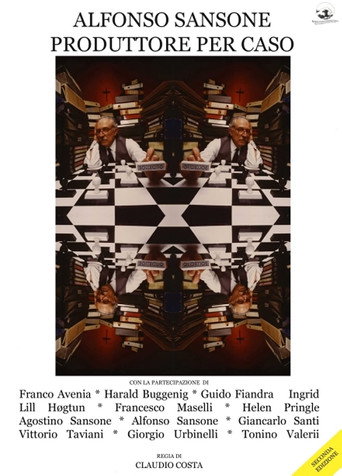
Alfonso Sansone: Producer by Chance
After the war, almost by chance, Alfonso Sansone started to produce documentary films and moved from Palermo to Rome, the city of film.
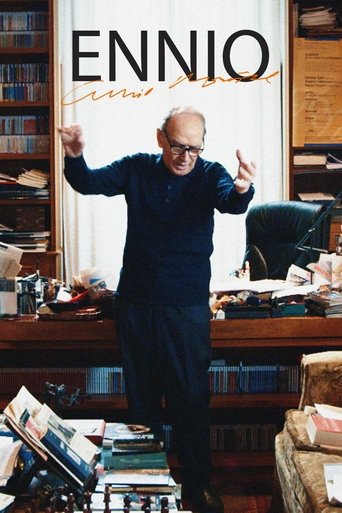
Ennio
A portrait of Ennio Morricone, the most popular and prolific film composer of the 20th century, the one most loved by the international public, a two-time Oscar winner and the author of over five hundred unforgettable scores.
Quando l'Italia non era un paese povero
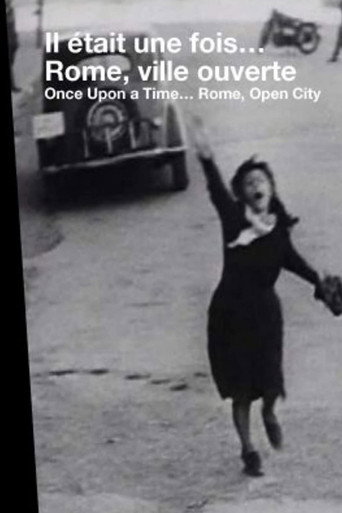
Once Upon a Time... 'Rome, Open City'
Television documentary about the making of Roberto Rossellini's 1945 film "Rome, Open City".
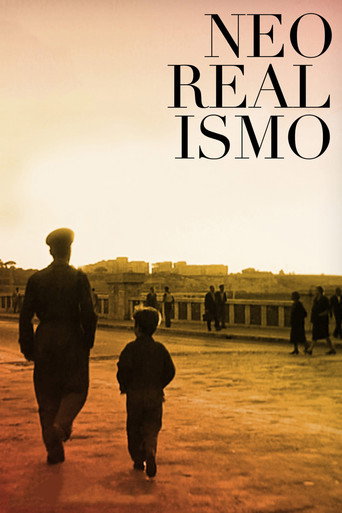
We Weren't Just Bicycle Thieves: Neorealism
This short film tells the story of the most important cinema trend that Italy has ever produced - Neo Realism. Born after the Second World War, this veritable cultural revolution rapidly became a boundless source of inspiration for movie-makers throughout the entire world. Even today it influences those wanting to produce quality movies characterized and identified as Italian products able to be exported as well. It is precisely one of the masters of this unique current rich in different personalities who introduces the story - Carlo Lizzani - whose 'lesson' reconstructs the birth and development of Neorealism in Italy. It combined innovative movie techniques with a new view based on a 'true' interpretation of reality. Due to its high cultural value, this short film was given the highest reknown of the Presidency of the Republic of Italy.
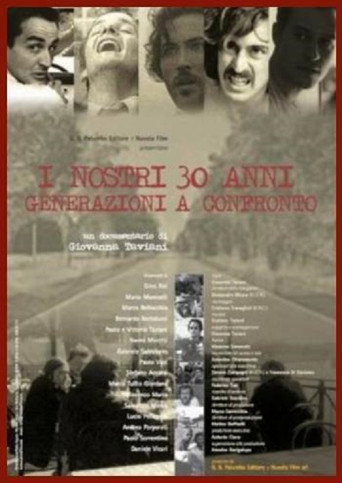
I nostri trent'anni - Generazioni a confronto
Various generations of filmmakers talk about what cinema means for them.
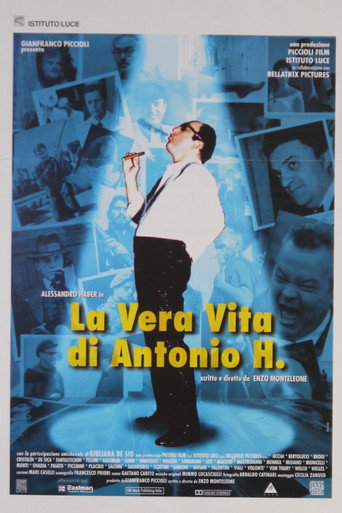
The True Life of Antonio H.
This film depicts a series of landmark events in the life of hapless thespian Antonio Hutter (Alessandro Haber), the unfortunate fictional alter-ego of legendary actor Alessandro Haber. This surreal faux-biography begins with Hutter's birth in Bologna, Italy, and his early life in the Middle East and follows him through the highs and lows of his acting career, using a combination of interviews with real-life colleagues, archival footage and improvised scenes along the way.
Production
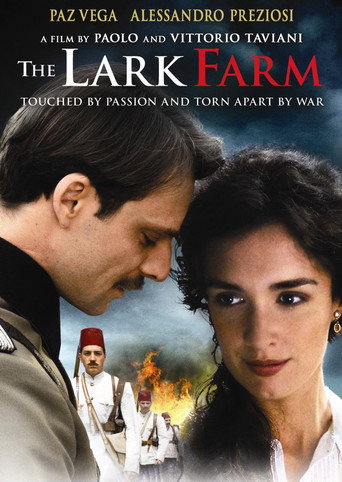
The Lark Farm
The Lark Farm is set in a small Turkish town in 1915. It deals with the genocide of Armenians, looking closely at the fortunes, or rather, misfortunes of one wealthy Armenian family.
The Lark Farm
The Lark Farm is set in a small Turkish town in 1915. It deals with the genocide of Armenians, looking closely at the fortunes, or rather, misfortunes of one wealthy Armenian family.
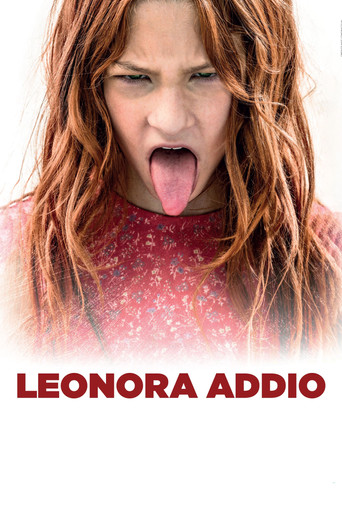
Leonora addio
A tale of the three funerals for the ashes of Italian writer Luigi Pirandello intertwined with a murder committed by a young Sicilian immigrant boy in 1930s Brooklyn for what is described as a surreal, grotesque, complex narrative.
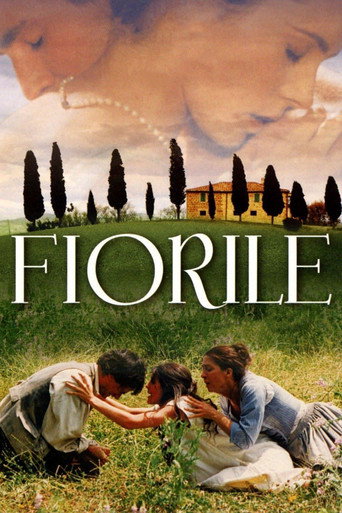
Fiorile
The Benedetti family's wealth comes from gold stolen from the French army during the 18th century. When Jean (Michael Vartan), the lieutenant guarding the coins -- and lover of Elisabette Benedetti (Galatea Ranzi) -- is executed for a crime he did not commit, Elisabette curses the family. Bad luck travels from generation to generation. As the latest Benedettis tell their children about their eccentric grandfather, the children worry that the family curse will be passed on.
Fiorile
The Benedetti family's wealth comes from gold stolen from the French army during the 18th century. When Jean (Michael Vartan), the lieutenant guarding the coins -- and lover of Elisabette Benedetti (Galatea Ranzi) -- is executed for a crime he did not commit, Elisabette curses the family. Bad luck travels from generation to generation. As the latest Benedettis tell their children about their eccentric grandfather, the children worry that the family curse will be passed on.
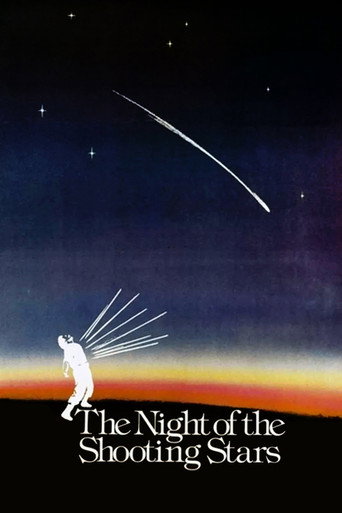
The Night of the Shooting Stars
The Night of San Lorenzo, the night of the shooting stars, is the night when dreams come true in Italian folklore. In 1944, a group of Italians flee their town after hearing rumours that the Nazis plan to blow it up and that the Americans are about to arrive to liberate them.
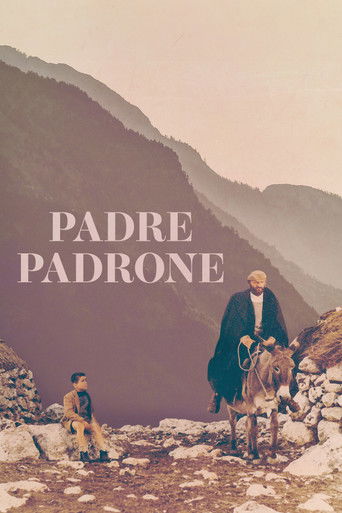
Padre Padrone
The true story of the life of Gavino Ledda, the son of a Sardinian shepherd, and how he managed to escape his harsh, almost barbaric existence by slowly educating himself, despite violent opposition from his brutal father.
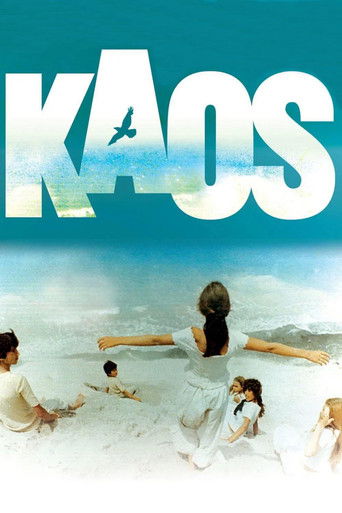
Kaos
Five stories center on a werewolf, a feudal landlord, peasants, a ghost, and a mother and her sons.
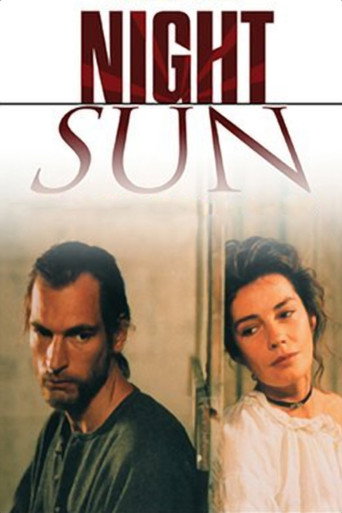
Night Sun
Based on Leo Tolstoy's novel, Father Sergius, Night Sun stars Julian Sands as Sergio, a nobleman in 18th-century Italy who is expected to marry a duchess, Nastassja Kinski. Upon learning that she was previously the King's mistress, Sergio turns his back on society and becomes a monk. While at the hermitage he tries to resist all sexual temptations before him and soon becomes known as a miracle worker. Eventually he succumbs to a young seductress and knowing he is undeserving of the adulation, leaves the hermitage to travel around as a homeless beggar.
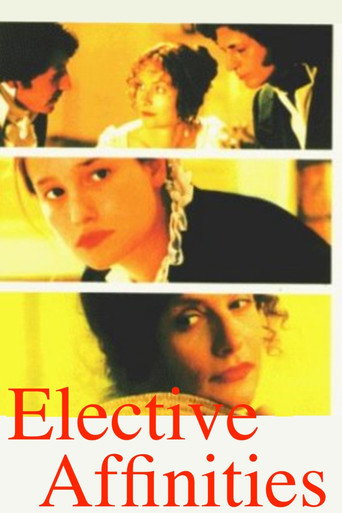
Elective Affinities
After an architect (Fabrizio Bentivoglio) is invited to the home of his associate, the harmony of the place comes undone with the visitor's attraction to someone.
Gallery