Sound
No biography available.
In 1966, Bene presented The Pink and the Black, his successful theatrical adaptation of Matthew Gregory Lewis’ lurid Gothic novel from 1796. Experimental filmmaker Paolo Brunatto filmed some of the play’s rehearsals in a Rome apartment (also frequented also by the Living Theatre). Bene's artistry is encapsulated in one sentence: “One cannot continue to prostitute the idea of theatre, which stands only for a magical, brutal link with reality."
A happening that lasted 12 hours in the Feltrinelli bookshop in Rome. The soundtrack (background weaning) was put together by the crowd, recomposing, without listening to them, pieces of magnetic film that had been distributed around. There are almost all the painters, directors and actors of the Roman avant-garde.
A documentary about the birth of the palestinian liberation movement Al Fatah, lead by the young Yasser Arafat.
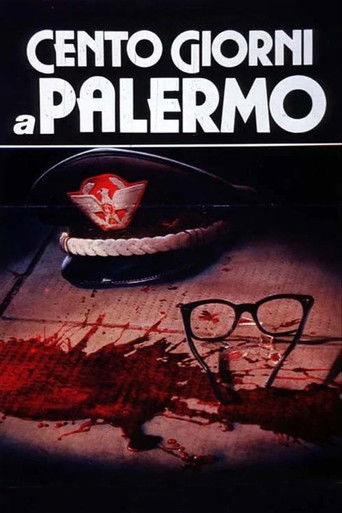
In the late 1970s and early 80s, assassinations in Sicily get the attention of Communist deputy, Pio La Torre, who appeals to General Carlo Alberto Dalla Chiesa to become prefect in Palermo and take on the Mafia. Dalla Chiesa approaches the job with the same focus and methods he used in hunting down the Red Brigade.
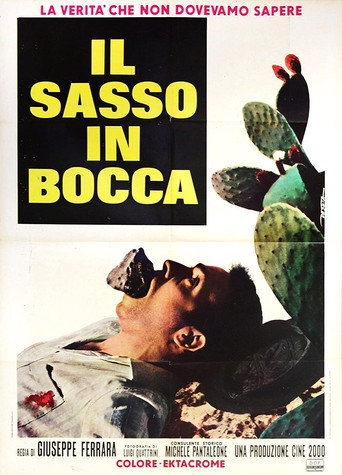
The "stone in the mouth" is the scar that the mafia makes on betrayal's corpse. The modern mafia has the historical and sociological roots into the birth of the american capitalism at the time of Roosevelt. The American "Cosa Nostra" applies the similar methods as the sicilian mafia: same apparatus, same "omertà", same power and same terror. Giuseppe Ferrara, journalist and writer, uses fragments footage, film clips, and current news to make this film.
Étude is István Gaál's film exam at The Centro Sperimentale di Cinematografia (Experimental film centre or Italian National film school).
An island has been decimated by a volcanic eruption and the few survivors escape to a nearby island. Led by Rutolo, they know that their new home is equally susceptible to such a catastrophe via its own volcano, but they are unable to convince the current inhabitants of Island #2 to flee with them to a mainland.
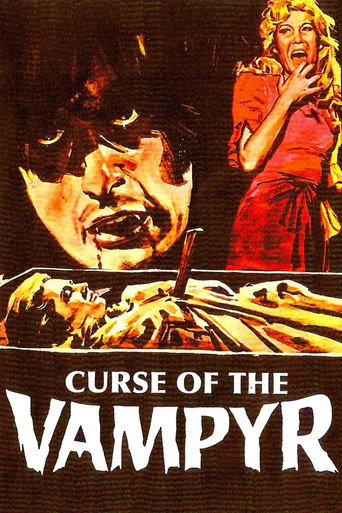
A small rural Spanish village of the present is haunted by vampires. Dr.Dora Maeterlick is called to a nearby castle to cure the father of Baron Carl von Rysselbert who suffers from a strange blood disease. Erika, assistant to Doctor, falls in love with Carl. But Carl is a vampire and pretty soon he makes Erika his vampire bride. From now on Dr.Maeterlick plunges into a nightmarish whirl of dark happenings...
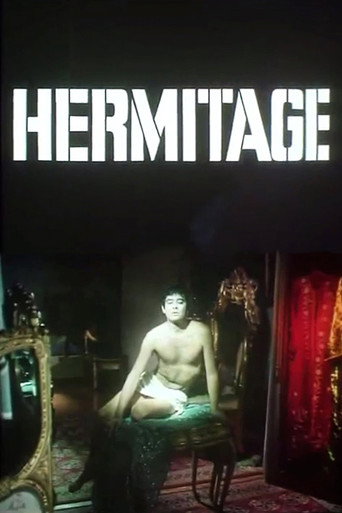
Hermitage, defined by Bene as "a rehearsal for lenses", beyond any literal rendition - its narrative trace comes from one of his anti-novels, Credito Italiano V.E.R.D.I - displays his immediate attitude to thinking a cinematic language completely based on actor's movements and actions, and more specifically, on his presence and his schemes. Camouflaged or naked, still or moving, his body seems to play and be played at the same time, shifted by objective and subjective tensions, both metaphorically and visually speaking.
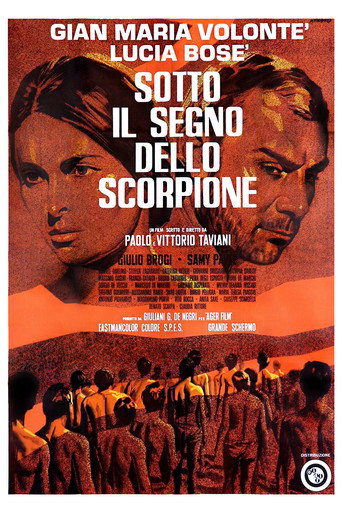
Alerted by an informer, the police suppress an ideological uprising, causing the death of one of the participants. The traitor, in order to redeem himself in the eyes of his comrades, pushes them towards a terrorist action. But, once again, at the last moment he refuses to participate out of fear.
A man wearing a mask of King Kong walks through a maze unrolling a ball of thread. Franco Brocani renewes his interest in the dens of perdition providing a free vision of the classic myth of the Minotaur. Shot in an art gallery in Rome and adapted from a story by Jorge L. Borges.