Virginia Martínez Movies, TV Shows, and Filmography
Virginia Martínez
Writing
Biography
No biography available.
Filmography Movies
Acting
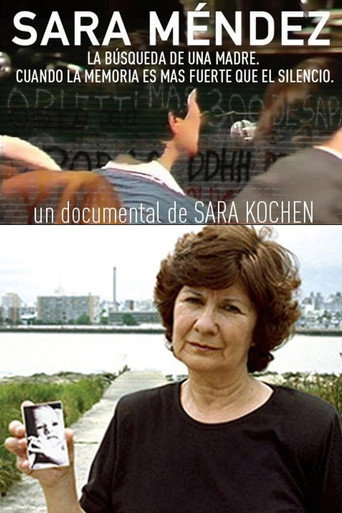
Sara Méndez
Sara Méndez, a Uruguayan teacher, was kidnapped in March 1976 by the Argentine Dictatorship, when her baby (who was appropriated by the military) was only 20 days old. They were reunited in 2002, after a search that lasted 26 years.
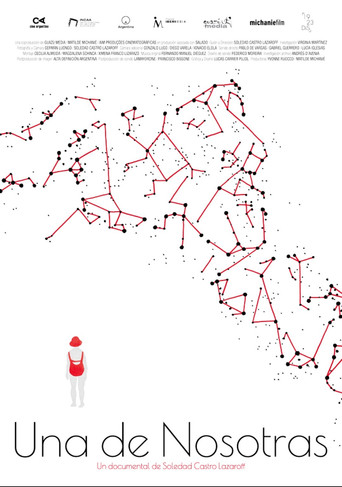
Una de nosotras
For more than forty years, Belela Herrera has dedicated her life to saving that of others. The politically persecuted, those displaced by civil wars, and the world's refugees are her concern and vocation. Her story is also that of a woman who defined herself and twisted the destiny reserved for girls of her social class: marrying to a man from high society, having a large family and a comfortable and elegant existence . And it is also the story of a female legacy that is part and consequence of the invisible resistance of thousands of women.
Production
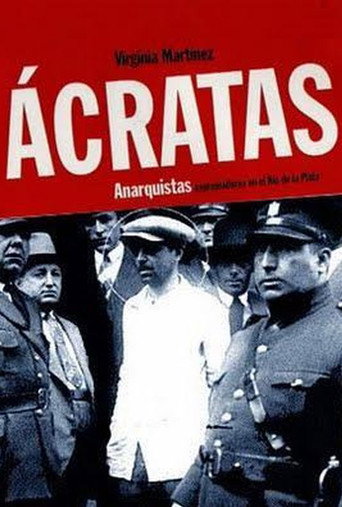
Anarchists
Armed based on photography, period films, archival materials and testimonies of survivors, family members and historians, the documentary accurately and exquisitely reconstructs the course of the “expropriating anarchists” in the Río de la Plata and specifically in Montevideo del First third of the 20th century.
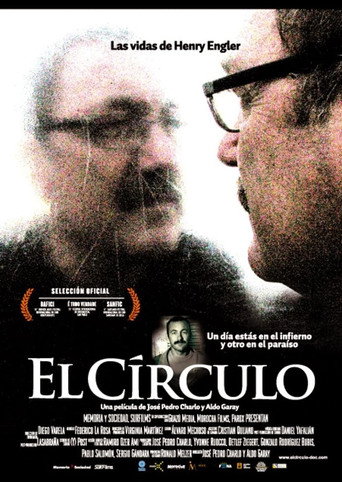
The Circle
Award-winning documentary about how one Uruguayan leftist survived solitary confinement during the dirty war. The story of former Tupamaro guerilla fighter, Henry Engler, whose prolonged confinement and torture during the Uruguayan dictatorship led to a mental breakdown. Today Dr. Engler is a Swedish citizen and a scientist renowned for his research into Alzheimer’s disease. In this impressive documentary, the scientist visits the places of his painful past, painting an intimate and disturbing portrait of prison life under the dictatorship.
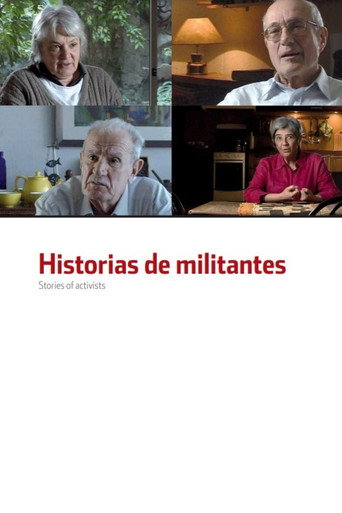
Stories of Activists
This documentary tells the story of a group of Uruguayan political and social activists who began or intensified their activities in the 1960s. What emerges is how diverse the Uruguayan left was in thought and action in fields like attitudes to armed struggle, the place of women and children, the historical significance of the Frente Amplio Party and the ways in which the old ideals have found expression - or not, as the case may be - under the first left wing national government in the history of the country. The documentary was made for Casa Bertolt Brecht, and is geared to stimulating debate and training new generations of activists.
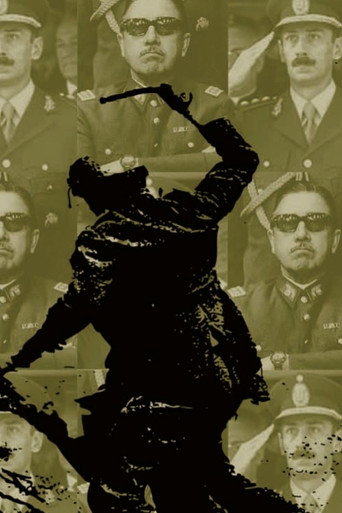
The Uncertain Hope
This documentary was shot in four countries in the Southern Cone of South America over a two-week period. It examines the democracies that re-emerged after military rule and we hear the testimony of presidents Carlos Menem, Fernando Henrique Cardoso, Patricio Alwyn and Luis Alberto Lacalle, and the reflections of many other key figures of that time. There is also an early discussion of the regional integration process that these countries were planning to promote, so we are shown a representative mosaic of each country, which makes this material truly unique.
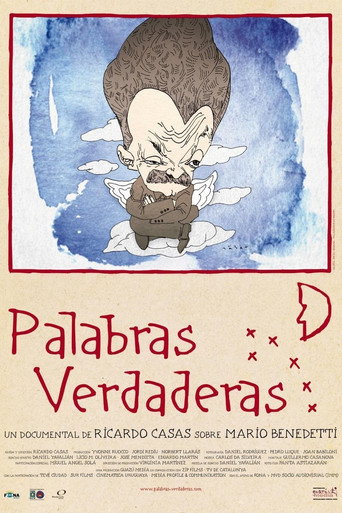
Words of Truth
The documentary looks in the life and work of Mario Benedetti, especially in his poetic work, the keys to an illustrious Montevideo. A man who has had to live several exiles and has received all the awards that this world can give. But above all, the affection of an unconditional, massive and faithful audience that follows him everywhere and pampers him every day with their applause and reading. A sad childhood, a youth full of work and reading, and a maturity full of commitments marked Benedetti. His work testifies the history, that which only artists can tell.
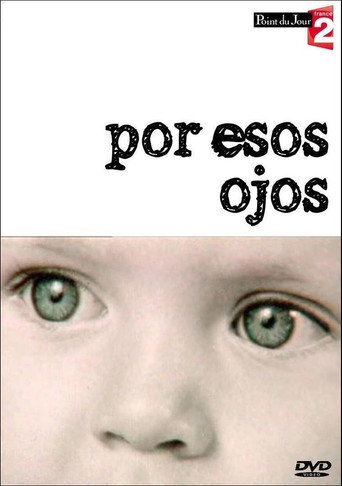
For the Eyes of Mariana
We follow the efforts of Ester Gatti to find her missing granddaughter Mariana Zaffaroni. As a child, Mariana and her parents were kidnapped by a Uruguayan military team. The little girl was taken by an agent in the intelligence service who brought her up as his own daughter. Sixteen years later Ester found Mariana, but the girl chose to go on living with the people who had kidnapped her. This documentary raises questions about identity, memory and the value of truth.
For the Eyes of Mariana
We follow the efforts of Ester Gatti to find her missing granddaughter Mariana Zaffaroni. As a child, Mariana and her parents were kidnapped by a Uruguayan military team. The little girl was taken by an agent in the intelligence service who brought her up as his own daughter. Sixteen years later Ester found Mariana, but the girl chose to go on living with the people who had kidnapped her. This documentary raises questions about identity, memory and the value of truth.
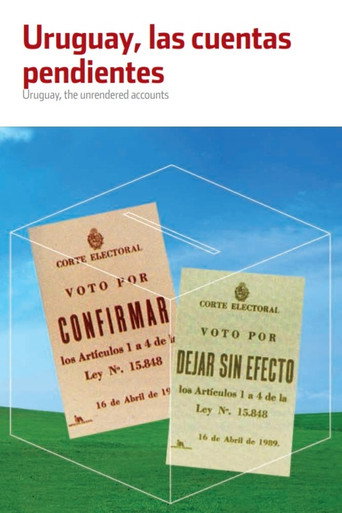
Uruguay, the Unrendered Accounts
The Uruguay of restored democracy alter years of military dictatorship remains divided about what to do with de military accused of violations of human rights during their government. This documentary records that division and the opinion of different people previous to the referendum on April 16, wich finally granted amnesty for the military.
Una de nosotras
For more than forty years, Belela Herrera has dedicated her life to saving that of others. The politically persecuted, those displaced by civil wars, and the world's refugees are her concern and vocation. Her story is also that of a woman who defined herself and twisted the destiny reserved for girls of her social class: marrying to a man from high society, having a large family and a comfortable and elegant existence . And it is also the story of a female legacy that is part and consequence of the invisible resistance of thousands of women.
Una de nosotras
For more than forty years, Belela Herrera has dedicated her life to saving that of others. The politically persecuted, those displaced by civil wars, and the world's refugees are her concern and vocation. Her story is also that of a woman who defined herself and twisted the destiny reserved for girls of her social class: marrying to a man from high society, having a large family and a comfortable and elegant existence . And it is also the story of a female legacy that is part and consequence of the invisible resistance of thousands of women.