Acting
No biography available.
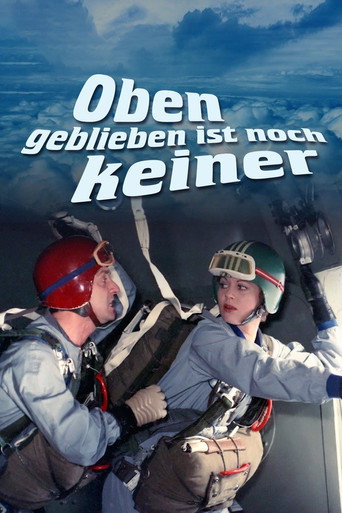
Willi Zubrodt is delegated by his department to a parachuting course at the GST. As he is not very disciplined, has no respect for the instructors and does not fit into the collective, the instructors try to show him up and force his expulsion from the course. However, the attempts to prove that he had gaps in his theory and physical condition were a complete failure. Zubrodt manages to turn the tables each time.
He could have had women, he could have climbed the ladder of his accountancy career, and he could have stood on the podium next to the highest in the land. If only he had wanted to! But Farssmann, shaken by divorce and unwilling to better himself, wants to remain what he is: an ordinary bookkeeper like you and me. And so the dollar deal with Mr. Osbar from Utah (USA) is not the first time he comes into conflict with the very palpable unreality of a country called the German Democratic Republic.
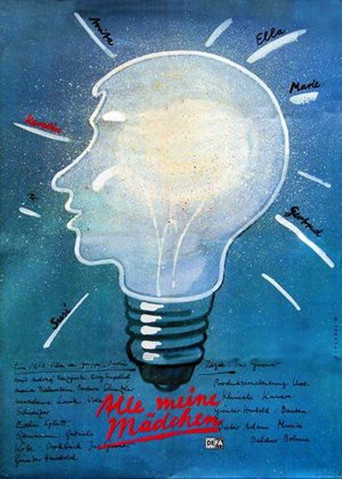
Ralf Paeschke is a film student who has to make a documentary film about a group of women working in a lamp factory. There is brazen Susie, mischievous Kerstin, lonely Anita, single Ella, withdrawn Gertrud and the imposing forewoman. When Kerstin is suspected of stealing, tension among the women mounts. Ralf demands that things be clarified, and his film plays an unexpected role in the matter.
Former GDR secret service agent Wolfgang Dreher is sentenced to life imprisonment. While still in the courtroom, he threatens to wake up his sleepers if the sentence is not overturned. The assignment: the Federal Prosecutor General. Nicola Helling, an agent at the Federal Criminal Police Office, tries in vain to prevent the assassination attempt. But Dreher is still not free. His next assignment: an assassination attempt on the Federal Chancellor. Nicola Helling heads the SOKO, which is searching for the sleeper agent - who is apparently among the ranks. When Dreher dies in prison, the only link to the killer is lost...
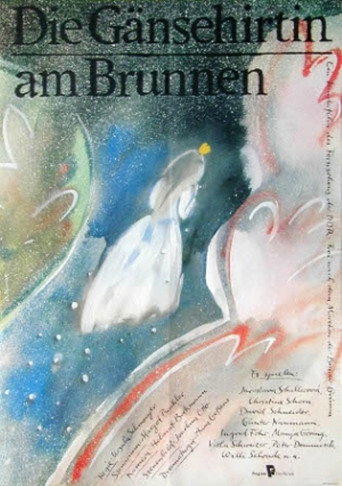
A young blacksmith, searching for happiness in a series of dreams, realizes that he must find a rejected princess and hold her hand. A fairytale after the Brothers Grimm.
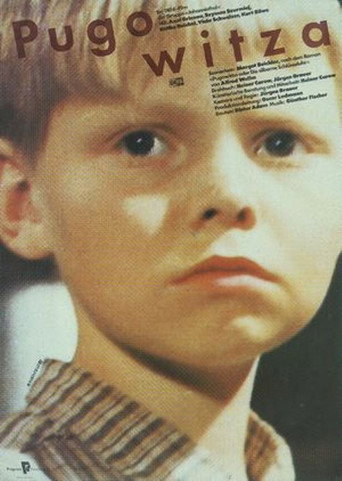
World War II is over and Heinrich, a young German boy, influenced by the Russians, starts to act according to Communist principles in a small German village.
The main character Otto, the "best man", is a copy of the illustrious Mister Bean. He takes on an apprenticeship as a building-worker, which makes him a member of a building brigade. At the same time Otto tries to start a love affair, which he handles even clumsier. Never the less Otto makes progress with the lady in question, a single mother, who apparently doesn't mind. Actually he wanted her sister, but a retired Leninist party member changes his mind. This gives him the courage to persevere in his work, albeit with the helping hand of the obligatory retired party member. And behold, in the end Otto invents a new method of building, which saves the brigade many hours of work.
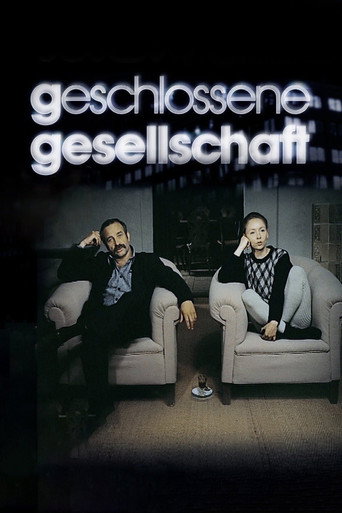
Three couples want to spend a short break together. Some have a traffic accident, the others are prevented professionally. So the designer Robert and the youth helper Ellen are forced to spend the days in a remote farmhouse alone with her young son. The previously suppressed marriage crisis breaks open. Allegations, confessions, charges, self-accusations are in the room. Painfully, they come to the realization that only their own happiness is responsible for their happiness. With the old landlord, each of them finds himself. In the end, Robert and Ellen want to try a new beginning.
Otto Zühlke is speechless when his wife Doris finally arrives back at her family home after long weeks of training. She decides not to let her husband get away with such a thing and the expected night of love is over for the time being. Otto comes to his senses and keeps his word, and Doris can finally embrace her husband.