Vincent Dieutre Movies, TV Shows, and Filmography
Vincent Dieutre
Directing
Biography
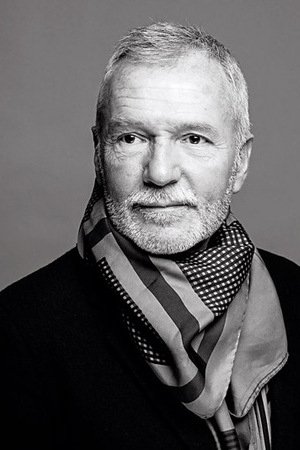
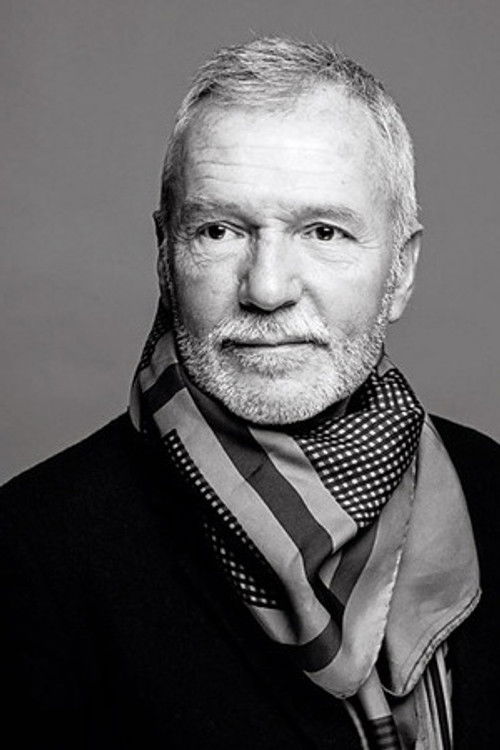
From Wikipedia, the free encyclopedia Vincent Dieutre (born November 25, 1960 in Le Petit-Quevilly) is a French film director and screenwriter. His films are primarily in the genre of docudrama, blending aspects of both documentary film and fiction. He is openly gay. Description above from the Wikipedia article Vincent Dieutre, licensed under CC-BY-SA, full list of contributors on Wikipedia.
Filmography Movies
Acting
This Is the End
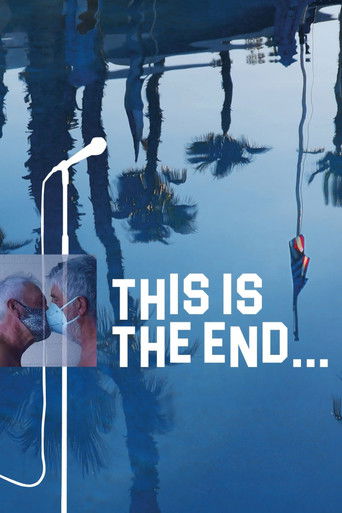
Road trips through Los Angeles, famous verses in the Poetry Lounge and love in times of the pandemic: Rendezvous with an old flame, fourty years later. After Jaurès (2012), Vincent Dieutre presents another tender autofictional piece in the Forum.
My Winter Journey
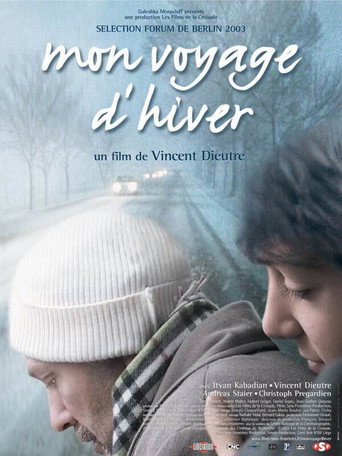
“My best friend, Anna, asked me if I would mind taking her fifteen-year-old son Itvan to Berlin with me. I accepted immediately.” An elegant, refined man in his forties sets off with Itvan on a long, enjoyable journey, his Winter Journey. They cross snowbound Germany by car. As the man drives the boy through cities and countryside, Itvan discovers the past and the vast job of reunification now underway. Poetry and culture are also part of the journey, which is accompanied by classical German music. When their paths cross with the man's former lovers or the journey provides unexpected encounters, Itvan also gets to know more about the man's own life. When they finally arrive in Berlin, their ways must part. Itvan watches the man leave, taking the melancholy of his existence with him. However their journey together has created an unbreakable tie between the two men. Itvan will never be the same again.
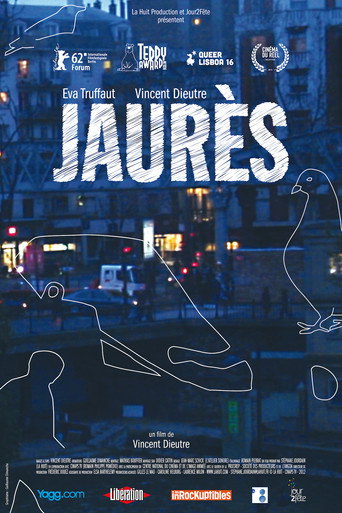
Jaurès
A studio. A man and a woman. Moving images on the screen, which he comments on, spurred on by her questions. All the footage was shot from the window of a flat: views of the street, the metro line running above it, the canal, into the windows of the buildings opposite. The flat belongs to the man’s lover, the man is a guest, spending his nights there but never his days. By the canal, young men from Afghanistan set up makeshift shelters as the man looks on, developing increasing sympathy for them. The seasons change, winter, spring, summer.
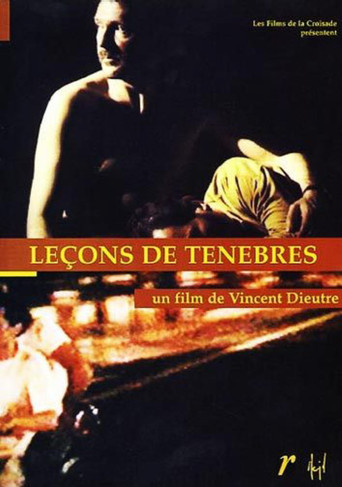
Tenebrae Lessons
“The Nineties had a pretty bad start”, this is how Vincent Dieutre introduces us to the shadows of his personal universe in those years going through Utrecht, Naples and Rome. In these three cities and two love affairs guide a homosexual man on his nightly search for lost beauty. In a cross between a diary and a baroque play the film reconstructs the fragments of a fateful journey against a Caravaggio backdrop. Painting, sensuality, losing oneself in a cityscape: the Leçons de ténèbres form an obscure fresco, a white-hot collage of trashy vanity.
Journey Into Post-History
A couple travels to Italy. During their trip, the state of their relationship becomes clear to them: They argue, take different paths and wonder whether to divorce. Vincent Dieutre has remade Viaggio in Italia and adapted it to his own life. Alex and Kate have become Alex and Tom, played by Vincent himself and his partner Simon. This new couple goes to the same places, experiences similar things, but their time in Naples is inevitably not the same. The city has changed, as has the nature of relationships, tourism has become more digital. As the two become increasingly alienated, Vincent the filmmaker moves through the city with his camera. He talks about how Rossellini’s film shaped him. We hear his thoughts about a remake, notes to himself, his discussions with a copyright lawyer. In Vincent and Simon’s world, much like that of Tom and Alex, the procession of the final scene gives way to a football match. What was still sacred back then becomes a riot here.
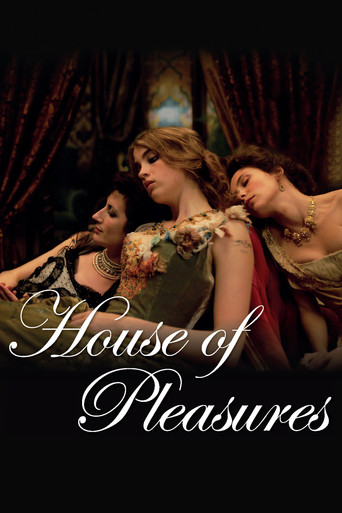
House of Pleasures
The dawn of the 20th century: L’Apollonide, a luxurious and traditional brothel in Paris, is living its last days. In this closed world, where some men fall in love and others become viciously harmful, the women share their secrets, their fears, their joys and their pains.
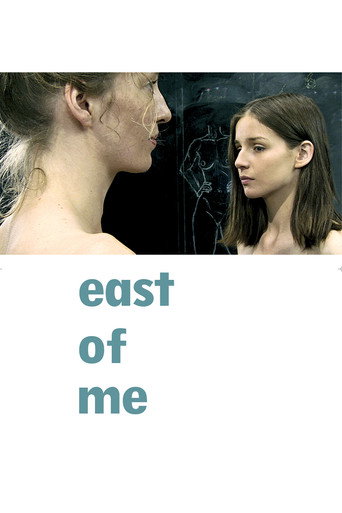
East of Me
A young woman travels to Moscow, speaking with the people she meets of the region's recent past.
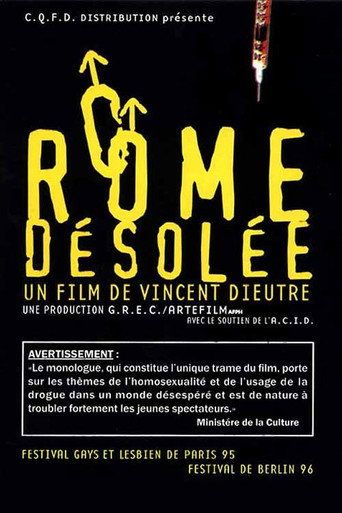
Desolate Rome
Chronicles of a male homosexual drug addict in 1980's in voice-over with long take scenes from Rome, television snippets of news of Gulf War and commercials.
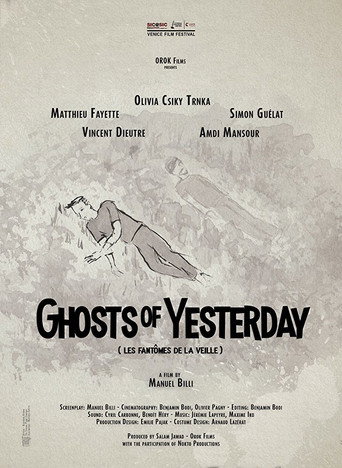
Ghosts of Yesterday
A shadow in the woods, a sunny summer afternoon. Antoine and Philippe part without saying goodbye. That same day, a blond girl writes their names on a window of her house. Her mission is to heal other people’s wounds, help lost lovers to forget or disappear.
Production

Beirut Hotel
One evening, a married young singer Zoha meets the French lawyer Mathieu in a night club in Beirut. Mathieu will become suspected of spying, while Zoha is trying to flee from her husband. Despite these problems, the two will witness a love story for few days mixed with violence and fear.
My Winter Journey
“My best friend, Anna, asked me if I would mind taking her fifteen-year-old son Itvan to Berlin with me. I accepted immediately.” An elegant, refined man in his forties sets off with Itvan on a long, enjoyable journey, his Winter Journey. They cross snowbound Germany by car. As the man drives the boy through cities and countryside, Itvan discovers the past and the vast job of reunification now underway. Poetry and culture are also part of the journey, which is accompanied by classical German music. When their paths cross with the man's former lovers or the journey provides unexpected encounters, Itvan also gets to know more about the man's own life. When they finally arrive in Berlin, their ways must part. Itvan watches the man leave, taking the melancholy of his existence with him. However their journey together has created an unbreakable tie between the two men. Itvan will never be the same again.
My Winter Journey
“My best friend, Anna, asked me if I would mind taking her fifteen-year-old son Itvan to Berlin with me. I accepted immediately.” An elegant, refined man in his forties sets off with Itvan on a long, enjoyable journey, his Winter Journey. They cross snowbound Germany by car. As the man drives the boy through cities and countryside, Itvan discovers the past and the vast job of reunification now underway. Poetry and culture are also part of the journey, which is accompanied by classical German music. When their paths cross with the man's former lovers or the journey provides unexpected encounters, Itvan also gets to know more about the man's own life. When they finally arrive in Berlin, their ways must part. Itvan watches the man leave, taking the melancholy of his existence with him. However their journey together has created an unbreakable tie between the two men. Itvan will never be the same again.
Jaurès
A studio. A man and a woman. Moving images on the screen, which he comments on, spurred on by her questions. All the footage was shot from the window of a flat: views of the street, the metro line running above it, the canal, into the windows of the buildings opposite. The flat belongs to the man’s lover, the man is a guest, spending his nights there but never his days. By the canal, young men from Afghanistan set up makeshift shelters as the man looks on, developing increasing sympathy for them. The seasons change, winter, spring, summer.
Jaurès
A studio. A man and a woman. Moving images on the screen, which he comments on, spurred on by her questions. All the footage was shot from the window of a flat: views of the street, the metro line running above it, the canal, into the windows of the buildings opposite. The flat belongs to the man’s lover, the man is a guest, spending his nights there but never his days. By the canal, young men from Afghanistan set up makeshift shelters as the man looks on, developing increasing sympathy for them. The seasons change, winter, spring, summer.
Jaurès
A studio. A man and a woman. Moving images on the screen, which he comments on, spurred on by her questions. All the footage was shot from the window of a flat: views of the street, the metro line running above it, the canal, into the windows of the buildings opposite. The flat belongs to the man’s lover, the man is a guest, spending his nights there but never his days. By the canal, young men from Afghanistan set up makeshift shelters as the man looks on, developing increasing sympathy for them. The seasons change, winter, spring, summer.
Jaurès
A studio. A man and a woman. Moving images on the screen, which he comments on, spurred on by her questions. All the footage was shot from the window of a flat: views of the street, the metro line running above it, the canal, into the windows of the buildings opposite. The flat belongs to the man’s lover, the man is a guest, spending his nights there but never his days. By the canal, young men from Afghanistan set up makeshift shelters as the man looks on, developing increasing sympathy for them. The seasons change, winter, spring, summer.
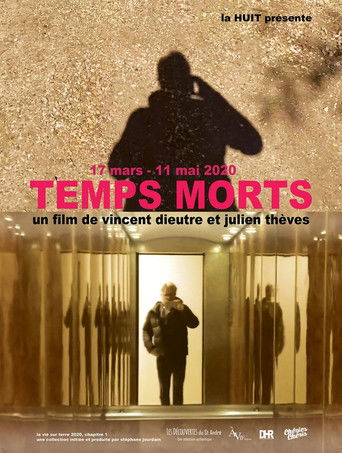
Temps mort
One is confined to Paris, the other to the countryside. One is a writer, the other a director. In the spring of 2020, both correspond with their phones. They film the real and film themselves in the test, during the epidemic. This crossing of time is a historical document, intimate and collective, funny and profound, shot in the urgency of the event. What to do with this “dead time”, this regained time?
After the Revolution
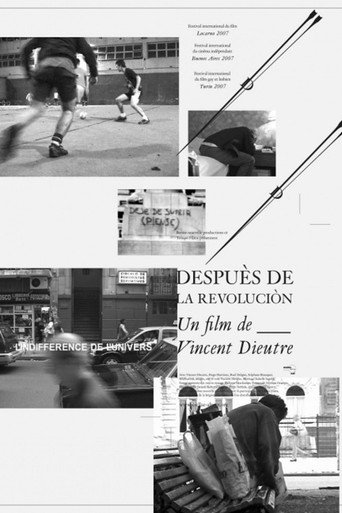
Staying in the Argentinian capital, Vincent Dieutre compares his memories of a Buenos Aires magnified by the Argentinians in exile at the end of the 1970s, and with whom he associated, with what the city offers him today. His film rings out like an adieu to the fantasies of the past, while fulfilling a promise: the unfailing welcome reserved for the poetic powers of the present.
Gallery