Vincent Carelli Movies, TV Shows, and Filmography
Vincent Carelli
Directing
Biography
Vincent Carelli, after 40 years of actuation as an indigenist, created in 1987 the Vídeo nas Aldeias project, that aims to put video at the service of political and cultural projects of indigenous people. Vincent Carelli produced several documentaries about the methods and results of this work.
Filmography Movies
Acting
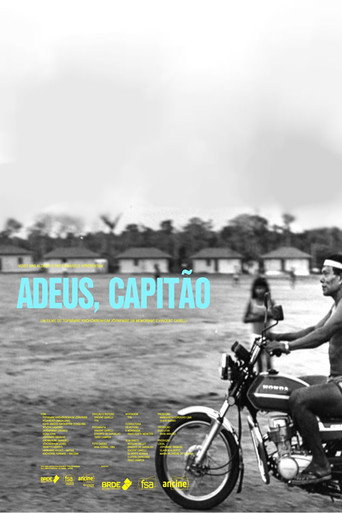
Goodbye, Captain
The story of ‘Captain’ Krohokrenhum, leader of the Gavião indigenous people, from Pará state in northern Brazil, who died in 2016.
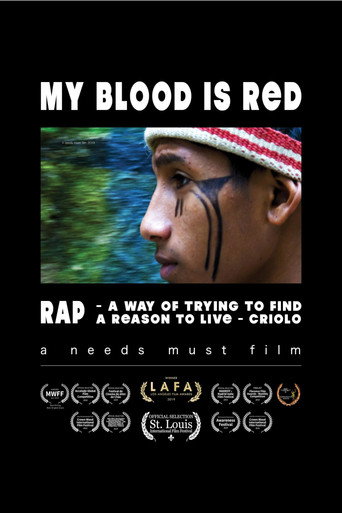
My Blood is Red
A young indigenous rapper tries to find his identity amidst the genocide of his people.
Production
Goodbye, Captain
The story of ‘Captain’ Krohokrenhum, leader of the Gavião indigenous people, from Pará state in northern Brazil, who died in 2016.
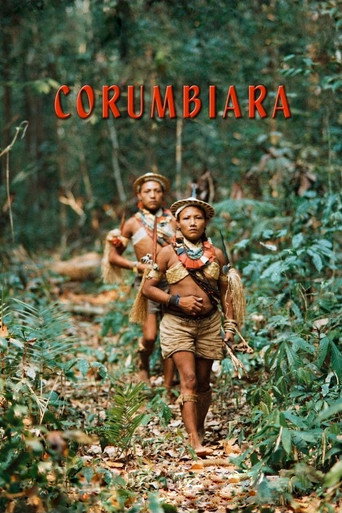
Corumbiara
In 1985, a daring worker of the Bureau of Indian Affairs in Brazil denounced a massacre in the lawless region of Corumbiara. The investigations turned to a series of indigenous genocides in the area. Spanning 20 years, the film shows the search for proof and the version of the survivors, when they were finally found, hiding in the forest, terrified of white men.
Pemp
Pemp traces the 25-year struggle of the Parakatêjê (Gavião) to maintain autonomy in the face of huge development projects in the south of Pará, Brazil. From the initial recovery of their lands in 1957 through dealings with FUNAI in the 1970s and the appropriation of Brazil nut monopolies to their negotiations with the government in the eighties, Pemp shows the Parakatêjê’s most precious project; the preservation of their ceremonies and songs. The Kokrenum, chief and keeper of the group’s traditions, uses video to transmit them to future generations.
Pemp
Pemp traces the 25-year struggle of the Parakatêjê (Gavião) to maintain autonomy in the face of huge development projects in the south of Pará, Brazil. From the initial recovery of their lands in 1957 through dealings with FUNAI in the 1970s and the appropriation of Brazil nut monopolies to their negotiations with the government in the eighties, Pemp shows the Parakatêjê’s most precious project; the preservation of their ceremonies and songs. The Kokrenum, chief and keeper of the group’s traditions, uses video to transmit them to future generations.
Pemp
Pemp traces the 25-year struggle of the Parakatêjê (Gavião) to maintain autonomy in the face of huge development projects in the south of Pará, Brazil. From the initial recovery of their lands in 1957 through dealings with FUNAI in the 1970s and the appropriation of Brazil nut monopolies to their negotiations with the government in the eighties, Pemp shows the Parakatêjê’s most precious project; the preservation of their ceremonies and songs. The Kokrenum, chief and keeper of the group’s traditions, uses video to transmit them to future generations.
Desterro Guarani
As Ariel Ortega thinks about the history of contact of the Mbya-Guarani, he tries to understand how his people got expelled from their land.
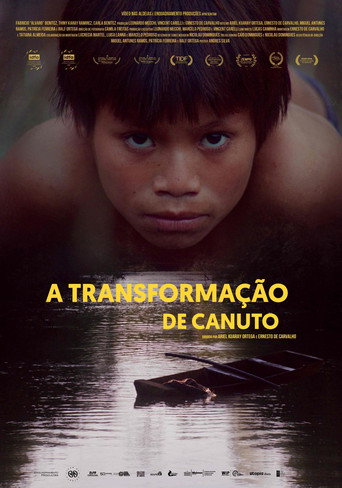
Canuto's Transformation
Ariel Kuaray Ortega returns to his hometown to visit his grandfather in a region of Brazil bordering Argentina. He wants to finally hear the full story of Canuto, a fellow villager who turned into a jaguar and then died a tragic death. A plan soon arises to make a film about the mysterious Canuto, with the villagers playing all the roles.
Corumbiara
In 1985, a daring worker of the Bureau of Indian Affairs in Brazil denounced a massacre in the lawless region of Corumbiara. The investigations turned to a series of indigenous genocides in the area. Spanning 20 years, the film shows the search for proof and the version of the survivors, when they were finally found, hiding in the forest, terrified of white men.
Corumbiara
In 1985, a daring worker of the Bureau of Indian Affairs in Brazil denounced a massacre in the lawless region of Corumbiara. The investigations turned to a series of indigenous genocides in the area. Spanning 20 years, the film shows the search for proof and the version of the survivors, when they were finally found, hiding in the forest, terrified of white men.
Martyrdom
Waving the flag that states every film is political, Vincent Carelli visibilizes in this documentary the cause of the Guarani-Kaiowá: a group of indigenous people that fear their lands, located in the Mato Grosso do Sul, will be confiscated by the State. A territorial conflict born more than one hundred years ago, during the Paraguay war. While fighting against the Brazilian Congress in order not to be evicted from their homes, the 50.000 indigenous people demand the demarcation of the space that belongs to them. With some rigorous investigative work, the Brazilian director tells with his own voice of the social and political injustices suffered by the Guarani people through material he filmed over the course of more than forty years. The archive images, both color and black and white, reveal the crudeness with which they coexist every day: among the violation of their civil rights and the guts with which they confront the usurpers.