Vilgot Sjöman Movies, TV Shows, and Filmography
Vilgot Sjöman
Directing
Biography
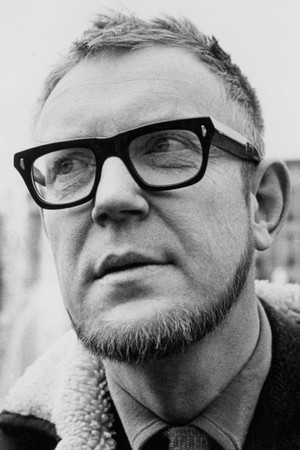
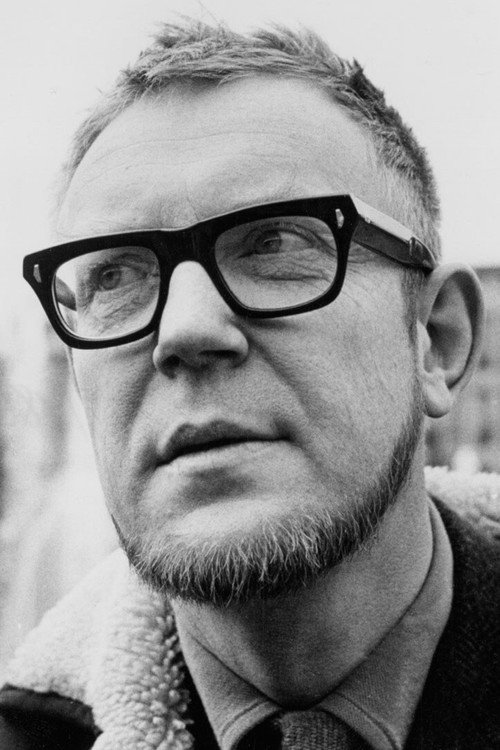
David Harald Vilgot Sjöman was a Swedish writer and film director. His films deal with controversial issues of social class, morality, and sexual taboos, combining the emotionally-tortured characters of Ingmar Bergman with the avant garde style of the French New Wave. He is best known as the director of the films 491 (1964), I Am Curious (Yellow) (in Swedish, "Jag är nyfiken - gul") (1967), and I Am Curious (Blue) ("Jag är nyfiken - blå") (1968), which stretched the boundaries of acceptability of what could then be shown on film, deliberately treating their subjects in a provocative and explicit manner.
Filmography Movies
Acting
Dance Around the Guldbaggen
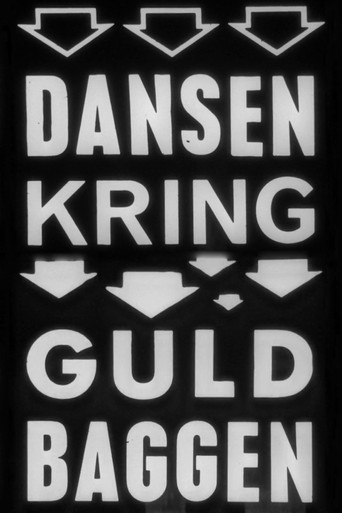
Filmed during the first ever Guldbaggen (golden scarab) awards, it was edited and developed that night and shown for the first time to the guests at the after party.
I Am Curious (Yellow)
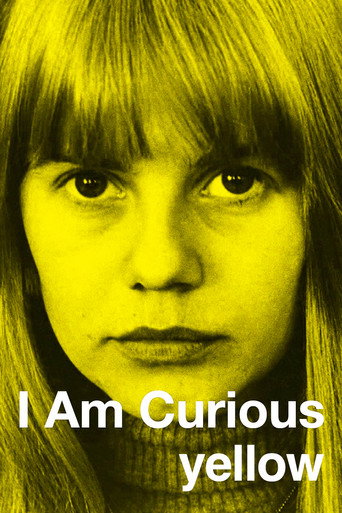
Lena, aged twenty, wants to know all she can about life and reality. She collects information on everyone and everything, storing her findings in an enormous archive. She experiments with relationships, political activism, and meditation. Meanwhile, the actors, director and crew are shown in a humorous parallel plot about the making of the film and their reactions to the story and each other. Nudity, explicit sex, and controversial politics kept this film from being shown in the US while its seizure by Customs was appealed.
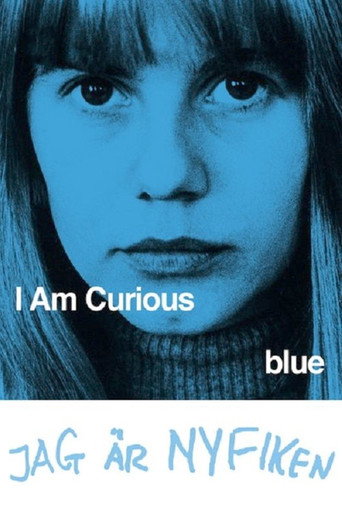
I Am Curious (Blue)
The same movie with the same characters, cast and crew as I am Curious (Yellow), but with some different scenes and a different political slant. The political focus in Blue is personal relationships, religion, prisons and sex. Blue omits much of the class consciousness and non-violence interviews of the first version. Yellow and Blue are the colors of the Swedish flag.
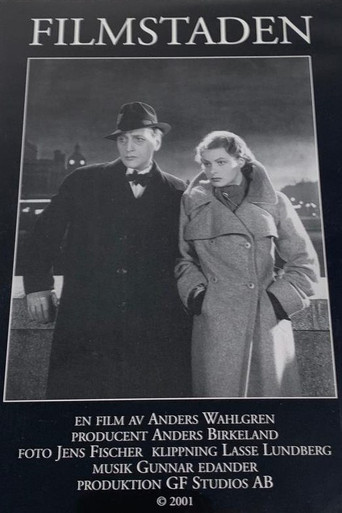
Filmstaden
'Filmstaden', a film studio in Stockholm where directors Victor Sjöström, Mauritz Stiller, Ingmar Bergman among others worked - as well as many prominent actors - was built 1919-1920. This documentary tells its rich history featuring many of the people involved.
Self Portrait '92
This is a sort of documentary made by Vilgot Sjoman about Vilgot Sjoman as a sort of cinematic autobiography aired on Swedish television originally in 1992.
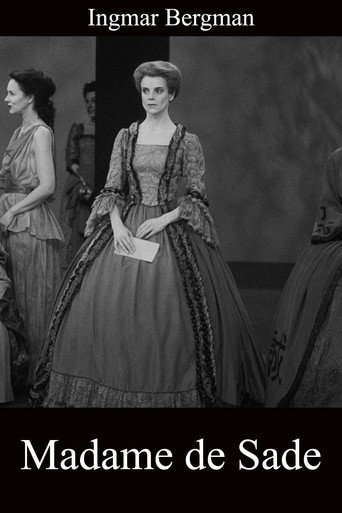
Inför Markisinnan de Sade
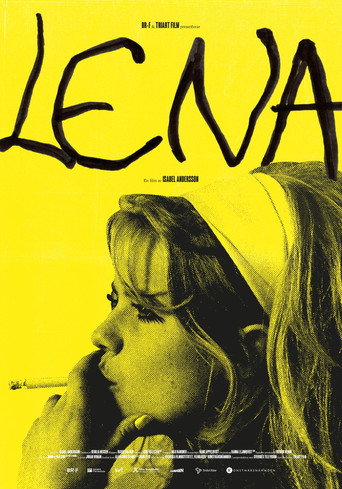
Lena
Follows the story of the beloved and internationally acclaimed Swedish actress Lena Nyman, based on 17 paper bags with diaries that she left behind.
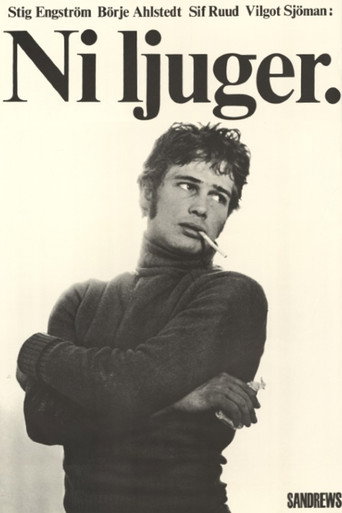
You're Lying!
About an alcohol-damaged young man, his life in and out of prison, his friend the art teacher and his difficulties reintegrating into society.
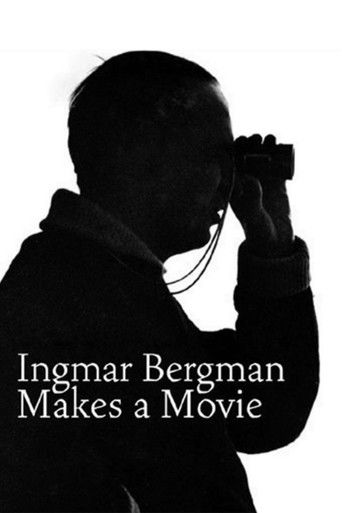
Ingmar Bergman Makes a Movie
The year is 1961 and Ingmar Bergman is making a movie. While planted on the scene as apprentice to Bergman, Vilgot Sjöman (director, I Am Curious–Yellow, 1967), suggests to Swedish Television that they take the opportunity to record with the acclaimed director. In August, Sjöman and the television crew begin to capture what would become a comprehensive five-part documentary on the making of Winter Light, offering views of script development, set construction and lighting, rehearsals and editing, as well as intimate conversations with Bergman and members of his cast and crew. Footage from the film’s Swedish premiere delivers immediate audience reactions and the critics’ reviews the following day.
Lars Forssell x 2
The poet who writes for pub scenes as well as for Dramaten. About weight and dizziness in an artistry that is related to both Evert Taube and Hjalmar Bergman. ew of theater has aroused criticism.
Production
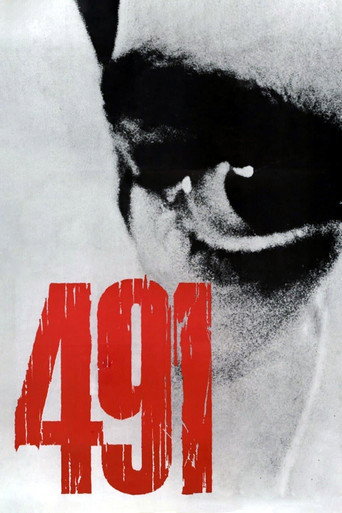
491
A study in forgiveness as oppression and goodness as provocation. Six youth criminals are chosen to participate in a social experiment where they are assigned to live together in a rundown apartment in the heart of Stockholm, Sweden. The six boys are being supervised by two forgiving and uneasy social workers. Their need to continue to commit petty crimes escalates out of boredom with the situation. One night they run into a young girl in trouble.
I Am Curious (Yellow)
Lena, aged twenty, wants to know all she can about life and reality. She collects information on everyone and everything, storing her findings in an enormous archive. She experiments with relationships, political activism, and meditation. Meanwhile, the actors, director and crew are shown in a humorous parallel plot about the making of the film and their reactions to the story and each other. Nudity, explicit sex, and controversial politics kept this film from being shown in the US while its seizure by Customs was appealed.
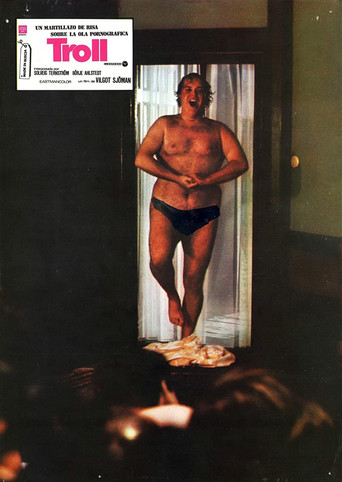
Till Sex Do Us Part
This Swedish sex-comedy/drama explores the complications in the relationship of a couple who believe that if they make love to each other, they will die. They neck and are physically affectionate in public as well as in private, but have a big taboo against sexual consummation. Their situation drives them to distraction, and they unsuccessfully seek various extramarital outlets for their frustrations.
I Am Curious (Blue)
The same movie with the same characters, cast and crew as I am Curious (Yellow), but with some different scenes and a different political slant. The political focus in Blue is personal relationships, religion, prisons and sex. Blue omits much of the class consciousness and non-violence interviews of the first version. Yellow and Blue are the colors of the Swedish flag.
I Am Curious (Blue)
The same movie with the same characters, cast and crew as I am Curious (Yellow), but with some different scenes and a different political slant. The political focus in Blue is personal relationships, religion, prisons and sex. Blue omits much of the class consciousness and non-violence interviews of the first version. Yellow and Blue are the colors of the Swedish flag.
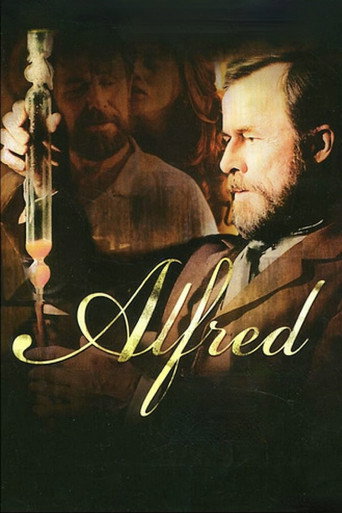
Alfred
The life of the Swedish engineer Alfred Nobel. How he invented dynamite and later in his life founded the Nobel-Prize.
Ingmar Bergman Makes a Movie
The year is 1961 and Ingmar Bergman is making a movie. While planted on the scene as apprentice to Bergman, Vilgot Sjöman (director, I Am Curious–Yellow, 1967), suggests to Swedish Television that they take the opportunity to record with the acclaimed director. In August, Sjöman and the television crew begin to capture what would become a comprehensive five-part documentary on the making of Winter Light, offering views of script development, set construction and lighting, rehearsals and editing, as well as intimate conversations with Bergman and members of his cast and crew. Footage from the film’s Swedish premiere delivers immediate audience reactions and the critics’ reviews the following day.
491
A study in forgiveness as oppression and goodness as provocation. Six youth criminals are chosen to participate in a social experiment where they are assigned to live together in a rundown apartment in the heart of Stockholm, Sweden. The six boys are being supervised by two forgiving and uneasy social workers. Their need to continue to commit petty crimes escalates out of boredom with the situation. One night they run into a young girl in trouble.
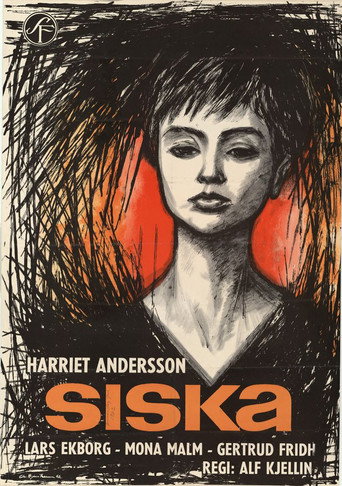
Siska
A young woman struggles with life, love and career. She is courted by a young man but is unwilling to enter into a relationship if it means limiting her freedom.
Tabu
Solidarity with the border people. Equal rights for the sexual deviants. Kristoffer Lohman is a young solicitor who collects stories and knowledge of different perversions. This has affected and changed his own sexual life. Sara, a young well-behaved and adorned woman, becomes interested in Kristoffer's activity.
Gallery