Vildan Atasever Movies, TV Shows, and Filmography

Vildan Atasever
Acting
Biography
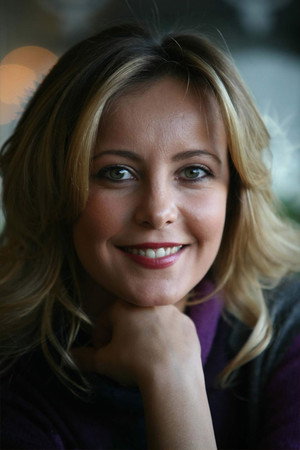
Vildan Atasever (born 26 July 1981) is a Turkish film, TV and theatrical actress. Vildan Atasever was born on 26 July 1981 in Bursa, Turkey. She started acting at the age of fifteen. Her first major part was in the sitcom Kadın İsterse where she played Hülya Avşar's daughter. She played Handan in the film İki Genç Kız (Two Young Girls), also as Hülya Avşar's daughter, and won 2005 the Golden Orange award for Best Actress in the Leading Role. In 2006, she was nominated again for her performance in Kader, which won the Golden Orange for Best Film and earned her the Ankara Film Festival award for Best Actress. She has appeared together with her former spouse İsmail Hacıoğlu in two TV series, Gece Sesleri and Osmanlı Tokadı. She also has appeared briefly in the 2013 film Meryem starring İsmail Hacıoğlu. She also played the role of Hümaşah Sultan in Muhteşem Yüzyıl: Kösem, a sequel of the 2011 television period drama Muhteşem Yüzyıl. This is the third time she played a role as Hülya Avşar's daughter.
Filmography Movies
Acting
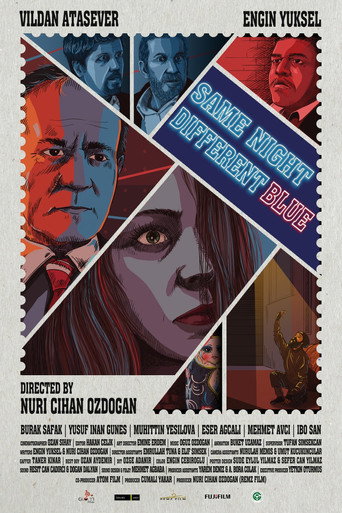
Same Night Different Blue
During the same night, different stories intersect in the pursuit of a precious stamp.
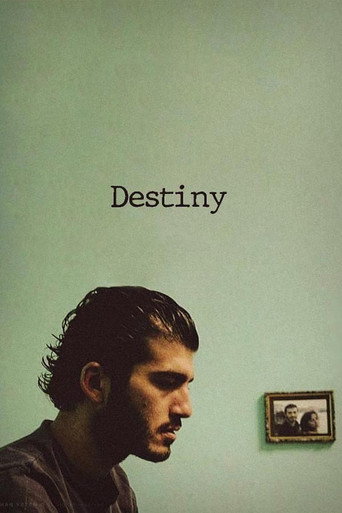
Destiny
Bekir loves Uğur, who loves Zagor, who is about to get out of jail. An already tense love triangle is thrown into turmoil on a hot summer night, when Zagor kills someone, and Uğur disappears.

2 Girls
Escaping from their dysfunctional families, Behiye and Handan become best friends. Their euphoria will soon be replaced by regrets and eventual betrayal as class differences resurface.
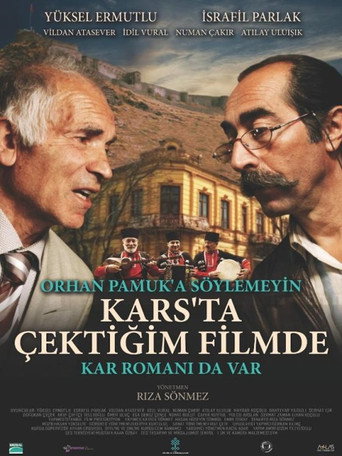
Don't Tell Orhan Pamuk That His Novel Snow is in the Film I Made About Kars
Blind singer Yüksel is expecting some respectable customers, however the best musicians of the town are engaged to leave to another city for a folk dance competition, therefore Yüksel needs to locate new musicians. Hairdresser Kazım, takes photographs of people who resemble the characters in the novel Snow by Orhan Pamuk as well as streets and objects to print as postcards, but he has a hard time convincing the towns people who are not fond of the novel which is set in Kars. Three imaginary musicians, two apprentices and a child chasing a goose accompanies the searching of these two protagonists.
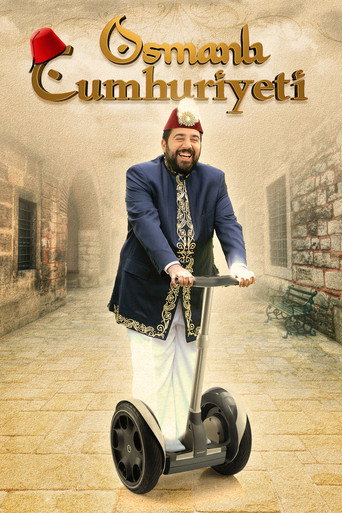
The Ottoman Republic
The film depicts a world in which Atatürk never became leader, the War of Independence never took place, and the Ottoman Republic continues to exist in a form adapted to the present day. The continuation of the Ottoman Republic instead of the Republic of Turkey, Ankara not being the capital, signs and license plates being in both Turkish and Arabic, and the sultan wearing a suit under his caftan are some of the tragicomic situations that make up the film's story.
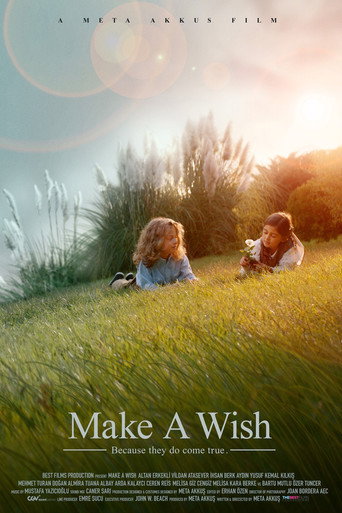
Make a Wish
In one parallel coming-of-age story, Kaan is faced with being uprooted from home; in the other, Berke is faced with bullying. Both demonstrate that when you know and choose what you want - Make a Wish - you can change your life.
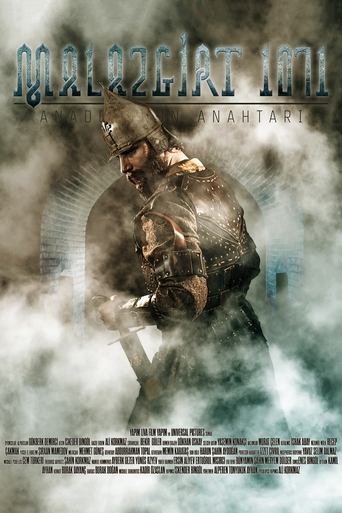
Malazgirt 1071
The story of the war, which is the beginning of the history of Turks in Anatolia.
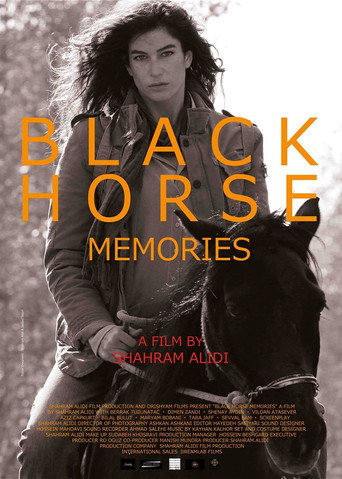
Black Horse Memories
A group of young people are trying to teach Kurdish in Turkish Kurdistan, a land where the teaching of the language is forbidden by Turkish authorities. Part of their work is to print clandestine schoolbooks in underground schools and distribute them. One of the girls in the group, Aseke, is killed on a mission and her friends decide to carry out the final request she made in her will. She had been brought up with a black horse, now in the remote Anatolian mountains, and her request is to bring the horse back so that they might meet one last time before she is buried. The arrival of the horse leads to some unexpected events.
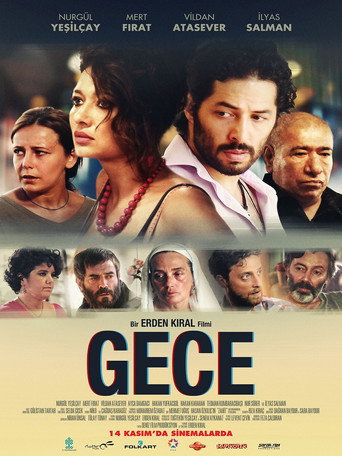
Gece
A family forcibly displaced from their village struggles to stay together when Süsen, the daughter of an already broken home, defies her kin to marry her childhood love Yusuf. As her father and brother abandon the family and marriage fails to bring the dreamed-of salvation, Süsen and Yusuf must confront mounting responsibilities and learn to adapt, or risk losing each other entirely.
Gallery