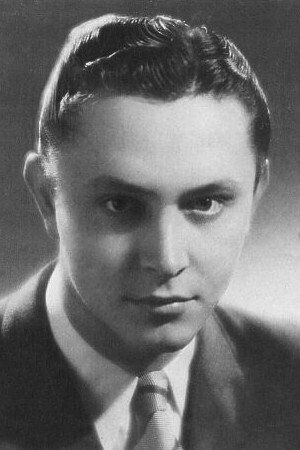
Vilém Pruner Movies, TV Shows, and Filmography
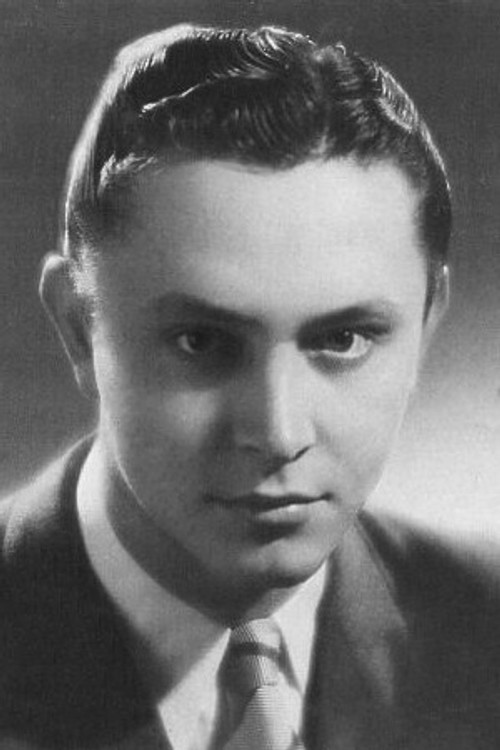
Vilém Pruner
Acting
Biography
No biography available.
Filmography Movies
Acting
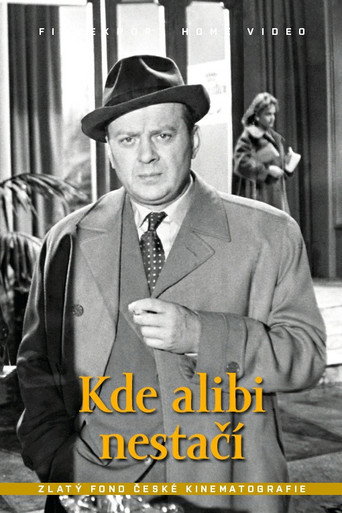
Where an Alibi Is Not Everything
“A bored housewife, a husband who married her for show, and a stupid boy who is full of himself because he is dating a Swiss woman.” The words of Inspector Tůma sound like they’re from a European melodrama, but in fact they come from a Czechoslovak crime story. A pair of detectives, counterfeit medicine, the high-society setting of a Karlovy Vary hotel, and Oldřich Nový as the aging hotel manager Kraus.
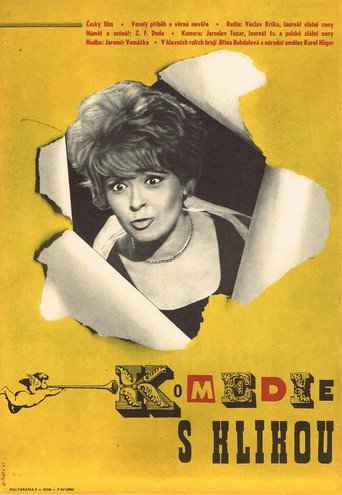
Komedie s Klikou
On the train to Prague, the bride-to-be Zuzana Vítová accidentally meets the clerk Dr. Karel Jánský. Upon arriving in Prague, it seems that Jánský follows the girl on her way from the station, but it turns out that the two of them have only a common journey. When Zuzana discovers that her fiancé Petr Klika is not at home and that she has lost the keys to his apartment, Dr. Jánský gallantly helps her and keeps her company until deep into the night...
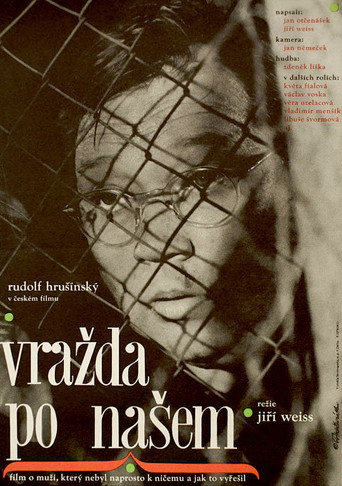
Murder Czech Style
The protagonist (Rudolf Hrusinsky) is a dull, fat, shy government clerk indulging in voyuerism and ego fantasies. In love with another clerk (Kveta Fiolova), he is urged on in his pursuit by a commiserate executive. The story is told in a flashback sequence as the cuckolded Hrusinsky attempts suicide by gassing himself in his bathtub. The "Murder" of the title is not a murder as such, rather the murder that Hrusinsky remembers planning upon discovering his wife's unfaithfulness with his supposed friend and advisor. Both plots failing in his mind, he loses himself in fantastic reveries of his funeral and of hypocritical mourners. ' Deciding (perhaps) that this is not the way out either, he gives up the attempt and imagines a life of reconciliation and eventual affluence.
Slečny přijdou později
This forgotten detective story starring Svatopluk Beneš focuses on those ills of the past regime that were allowed to be glossed over - mainly the theft of socialist-owned property and illegal business. Criminals here come across illegal machinations in the hospitality industry, foreign guests are even offered sexual services... But the youth-friendly story unfolds lazily, unimaginatively, emphasizing an excess of dully delivered dialogue that replaces action and suspense.
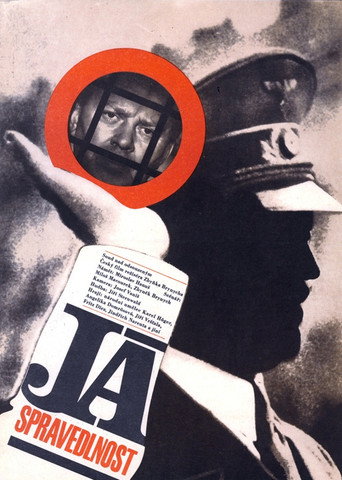
I, Justice
At the year 1946, the time of the Nuremberg Process. One of the main actors of the Second World War, who reportedly committed suicide, Adolf Hitler is, however, missing. The Czech doctor Herman (Karel Höger) is kidnapped from Prague and driven to the sanatorium of Professor Rolf Harting (Jirí Vrstála). The sanatorium is a disguised military stronghold, most probably occupied by a Nazi garrison, with prison cells and an execution chamber in the basement. At night, Herman is taken to a patient in whom he, to his horror, recognizes Hitler (Fritz Diez).
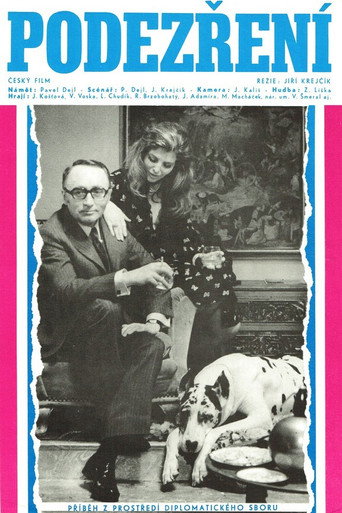
Podezření
A crime story about Western diplomats in Prague.
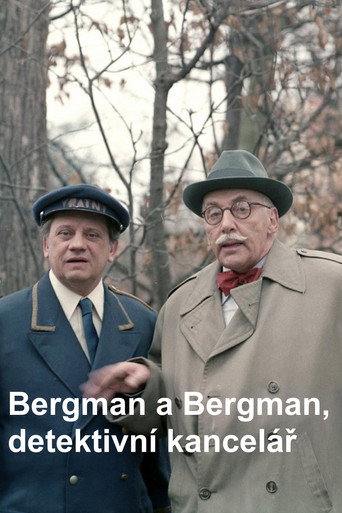
Bergman a Bergman, detektivní kancelář
The story of father and son detectives takes place mostly in the dignified surroundings of a concert hall. Who prepared the assassination, timed exactly according to the score of a piece by Joseph Haydn, what fate will befall the famous conductor Castellani, what surprising methods will the pair of detectives use?
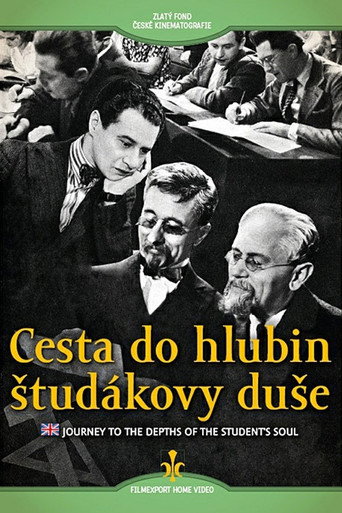
Journey Into the Depth of the Student's Soul
Small stories from a grammar school.
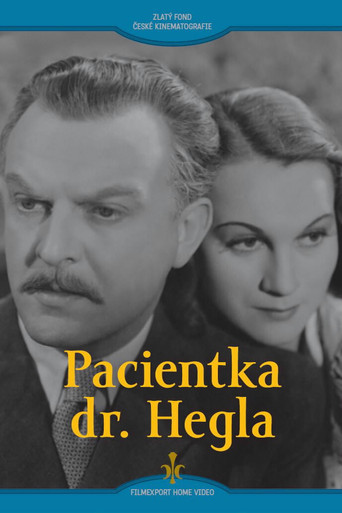
Pacientka dr. Hegla
Pharmacist Janota's daughter, Karla, is about to get married to wealthy lawyer Jaroslav Kříž. On the day of the wedding, however, instead of the ceremony, she will have an appendectomy. After the successful procedure, the weakened Karla also develops severe pneumonia and even has a heart attack. Fortunately, she is under the care of Prague's best surgeon, MUDr. Hegl, who saves the young woman from certain death. Karla falls in love with the attractive doctor and begins seeing him. Hegl's resigned wife suffers silently from her husband's affairs in order to preserve the family. Karla's fiancé, on the other hand, cannot cope with the situation and commits suicide. When Karla becomes pregnant with Hegl, the doctor turns away from her. After all, he already has a new "patient". The girl is nevertheless determined to keep the child...
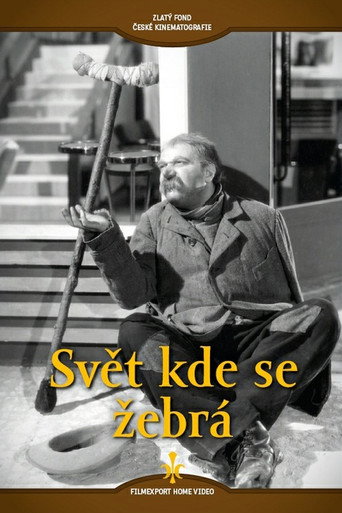
The World Where One Goes Begging
The smooth narration, corresponding to the requirements of a light comedy, develops the smiling and optimistic story of the "one-armed" beggar Dostál, who earned enough money with his excellent begging skills to buy a nice house, become a respectable master of the house, and save the impoverished lawyer Neprosil from poverty, who he contributed regularly to him when he was still well off. He also wanted to get him together with his pretty ward Zorka, for whom he said he would be an ideal husband, but the young people were able to do that by themselves and without his clumsy help, or rather despite his rather ineffective help... The film was shown at the VI. IFF in Venice in 1938.
Gallery