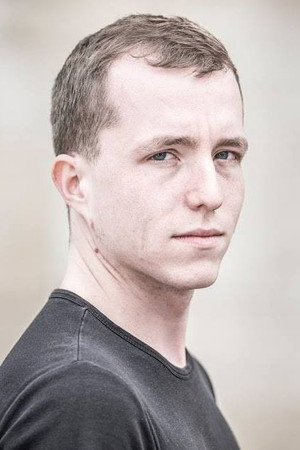
Viktor Zavadil Movies, TV Shows, and Filmography
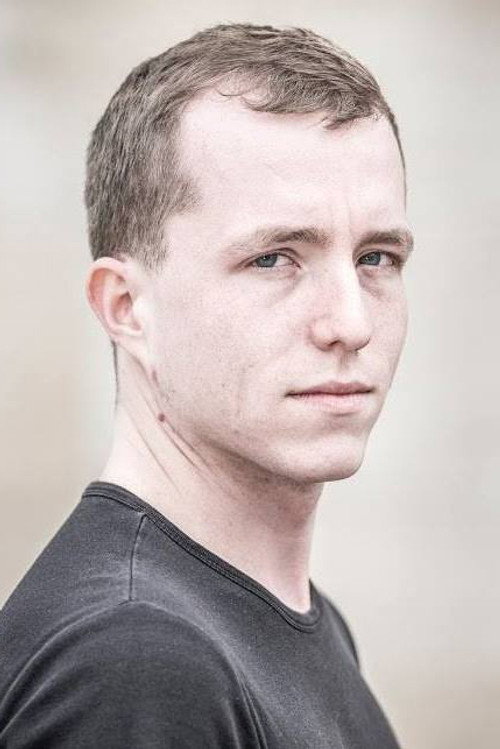
Viktor Zavadil
Acting
Biography
No biography available.
Filmography Movies
Acting
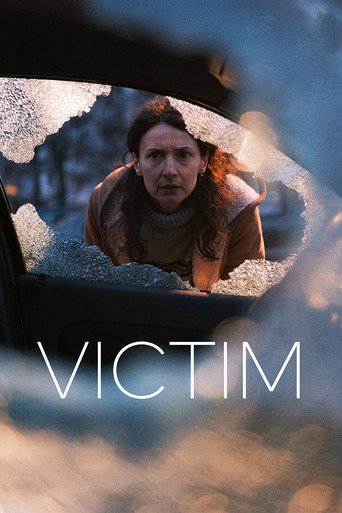
Victim
When the son of Ukrainian immigrant Irina is attacked, the whole city stands up in solidarity with her family and condemns their Roma neighbors, who allegedly committed the crime. But soon another truth starts to emerge.
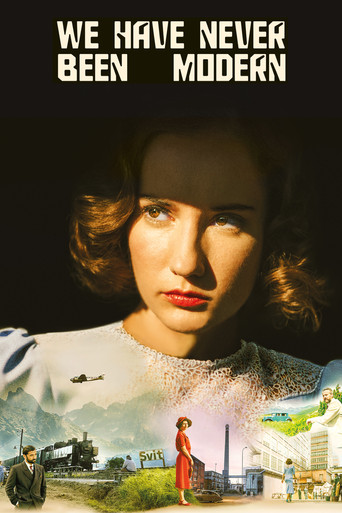
We Have Never Been Modern
Helena, is about to give birth and face a rosy future in a modern city, as the pregnant wife of an important factory manager. However, all her illusions soon perish, as the dead body of a newborn intersex baby is found in the middle of their factory. Helena needs to find out what happened here for the safety of her own child, but she runs into her own prejudices.
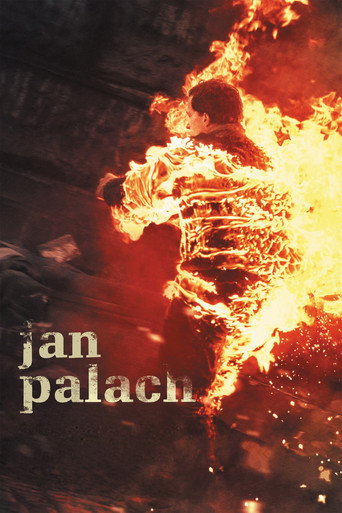
Jan Palach
The last six months of the life of Jan Palach, who self-immolated to protest against the invasion of Czechoslovakia to crush of Prague Spring.
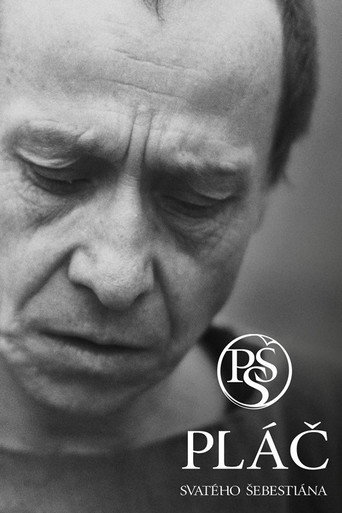
Pláč svatého Šebestiána
A historical film with balladic features set in 1348, when Europe was struggling with the greatest plague epidemic to date. The film strives to portray the Middle Ages as authentically as possible and to create a specific symbolic space in which ideas, dreams, and cultural archetypes are as tangible as beings and objects.
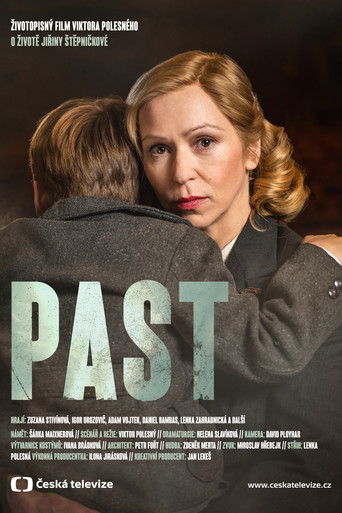
Past
In 1951, the well-known Czech actress Jiřina Štěpničková receives a letter from Austria from director František Čáp, who has recently emigrated. He invites her to the West and promises her roles in theater and film. She decides to seize the opportunity and flee. Together with a small group of people and her young son Jirka, she entrusts herself to a smuggler and embarks on a risky journey across the border. But something goes wrong. They are caught. Everything had been planned in advance. The smuggler himself is a member of the StB. But that's only the beginning.
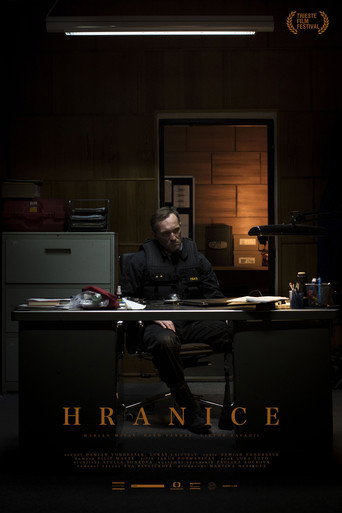
Frontier
During a random check, the commander of the Czech Customs Unit notices that there are immigrants in the back of a van. In the turmoil that followed, a minor is injured while trying to escape into the forest. The officers scatter the woods to look for the boy who managed to escape. Their aim is to find him and cover up the event. When the child's father refuses to cooperate, the incident becomes insurmountable and the officers start to mistreat the refugees. It is a fairly harsh short film about human emotions and views against immigrants.
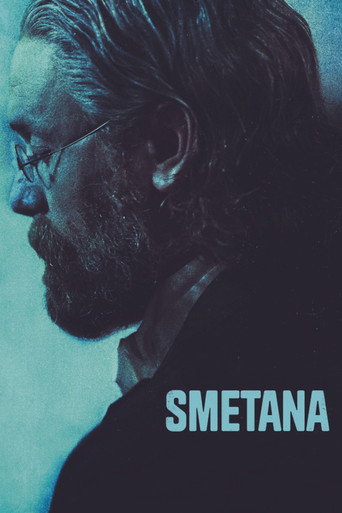
Smetana
Life of Czech composer Smetana, his search for love and artistic inspiration despite hearing loss, and quest for his muse Eliska. Navigating personal and professional challenges and the founding of the National Theatre in Prague.
Žižka – Hrdlořez i boží bojovník
On October 11, 1424, Hussite commander Jan Žižka breathed his last breath near the castle in Přibyslav. With a little exaggeration, it can be said that he never actually died, as he immediately entered national mythology as the prototype of a brilliant military leader and a true Czech. The revolutionary events then took a slightly different course than he would have liked, but his legacy remained ever-present among the Hussites. To this day, Žižka lives on in our society, with books written and films made about him. But even after 600 years of uninterrupted interest, a significant question mark remains over the Trocnov warrior: What was he really like? A deeply religious warrior of God, or just an ordinary medieval cutthroat? Leading Czech historians, headed by Professor Petr Čornej, are attempting to answer this question.
The Price of a Story
A rich Czech tourist and his translator come to an Inuit shaman – an Angakkoq. The meeting, arranged at a local museum, is to discuss a legendary encounter between the Angakkoq’s ancestors with the ancestors of the Czech tourist. The foreigner is willing to pay a lot of money for the story. The shaman’s evocative narration brings to life a fictional story from the time of the first Christian missionaries in Greenland. This short film about the clash of different cultures and mentalities is the first Czech-Greenlandic co-production.
Gallery