Acting
No biography available.
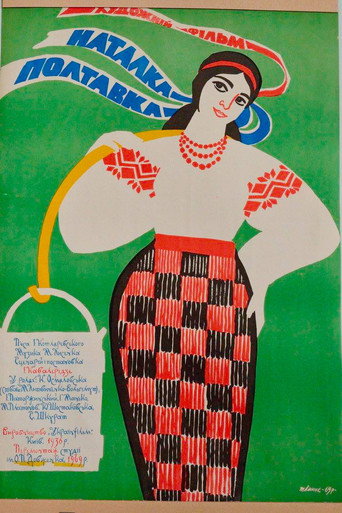
An iconic Ukrainian play of the same name meets TV.
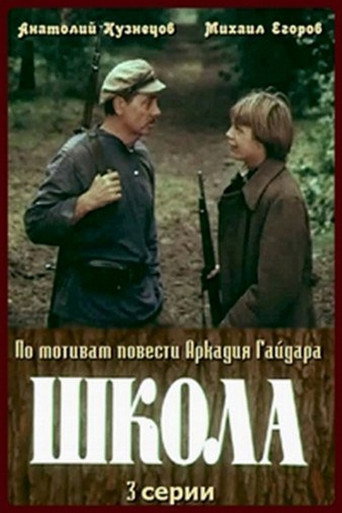
The action of the movie takes place during the Bolshevik coup. A fifteen-year-old teenager from the province, becoming a fighter of the Red Army, successfully passes the beginning of a great path of the school of “courage“...
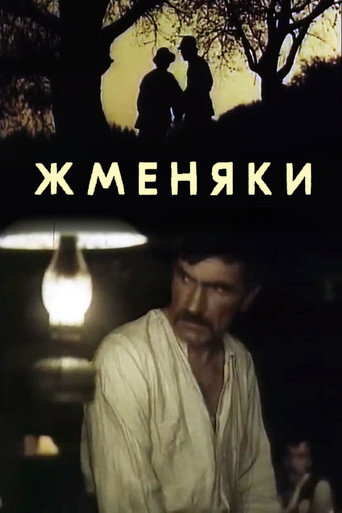
The film tells the story of the difficult and tragic fate of a Prykarpattia family over several generations. The events take place in the difficult 30s and 40s. Zhmeniak's father tries to gather more land in his possession by all means. But not everyone understands that he will divide all that land between his children when it comes time to die anyway, and they are simply jealous of his possessions. Meanwhile, the children have their own dramas and tragedies, because it's one thing to love someone, and another thing to know what the father thinks about it, and who he sees as wives for his sons. And then there are changes of government, and then there is the war...
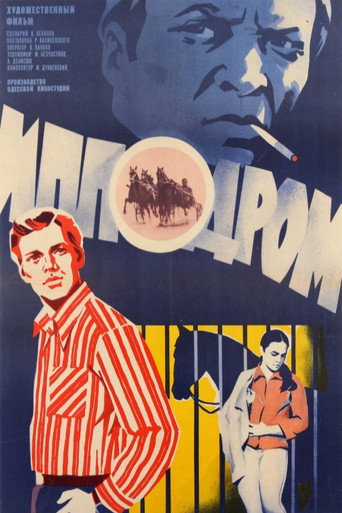
After one horse racing Sunday the body of a jockey is found on the racetrack. Was it an accident or a murder connected to bet fixing?
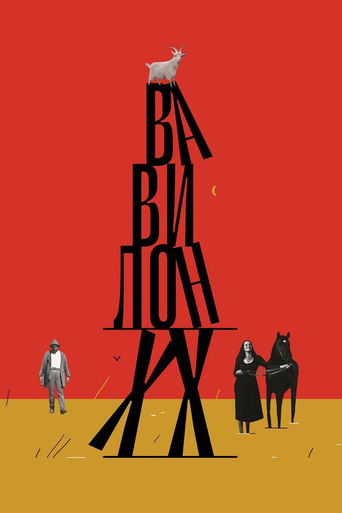
The new reality changes the usual life in the village of Babylon. Attempts to communize the small town are met with resistance from the rich people living in the town. The Red Army finally puts down the resistance. Amidst the resistance philosopher Fabian returns to Babylon and tries to prevent bloodshed, but he meets a tragic fate.
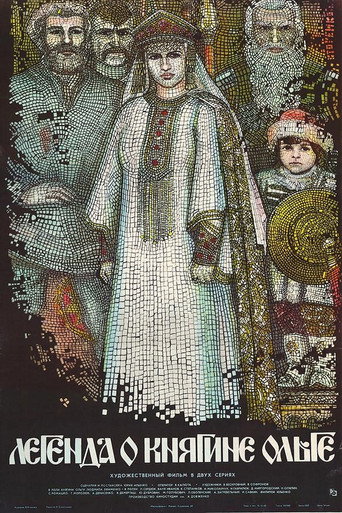
The film is a poetic adaptation of a series of stories (oral and written) about Princess Olha of Kyivan Rus' (Ukraine-Rusʹ) at the start of the 11th century. Inspired by chronicles and folk legends this is a story of a common girl Olha who married Prince Ihor and became his successor on the throne after his murder and one of the most remarkable political leaders in early medieval European history. She converted to Christianity and brought her realm into Europe.
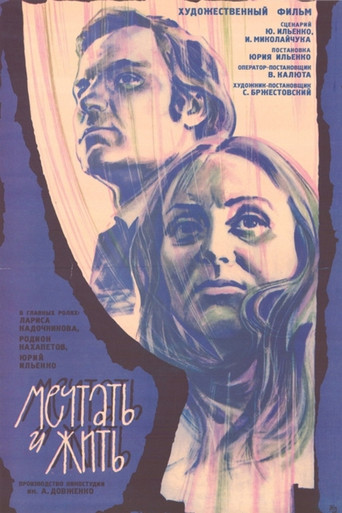
The script about loneliness, conformity and the impossibility of creative realization scared the editorial censorship at the studio, and then at Derzhkino. A lot of claims were made against him. The demands for amendments and endless additions and rewrites by the authors lasted for about a year. The original version of the title "Na pokhony!" ("To bow down!") was replaced by "To Dream and to Live". According to Pylyp Ilyenko, the director's eldest son, this name appeared "as a result of censor pressure." Censorship stopped the tape 40 times: at the stage of the literary script, director's, during film tests (the actors were not approved), filming, etc. The film catastrophically fell apart into fragments, into masterfully filmed, but unrelated scenes. The director called the finished version a "dead film".
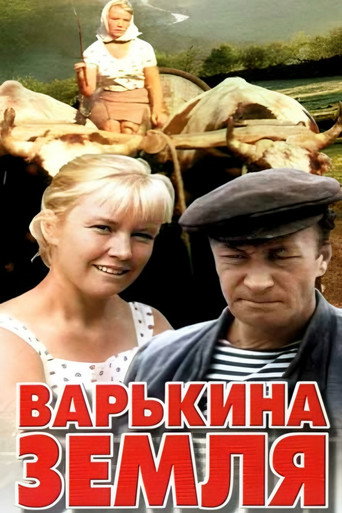
Varya Kravets remains on her native collective farm after graduating from school. Her first love also came to her. The death of her beloved is all the more unexpected for her. Fellow villagers are helping to overcome the crisis.
The film tells about the difficult and dangerous everyday life of submarine officers in love with their profession during the Cold War.