Viesturs Kairišs Movies, TV Shows, and Filmography
Viesturs Kairišs
Directing
Biography
No biography available.
Filmography Movies

Production
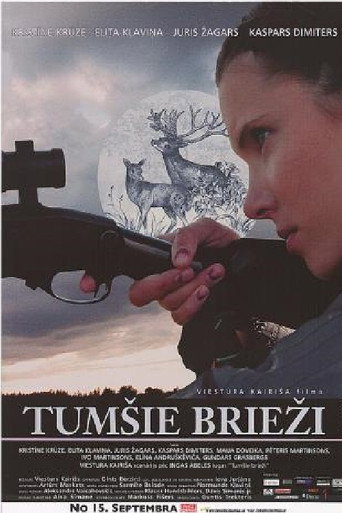
The Dark Deer
17-year-old Ria is a sensitive and mysterious young woman. Ria's mother has suffered in a car accident and has stopped speaking since her daughter's birth. The family grows deer for sale, yet, the business is not successful. To earn some money, her father decides to organize a hunt.
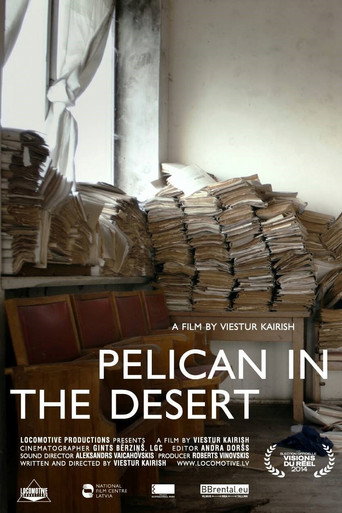
Pelican in the Desert
Latgale is a land on the very eastern edge of the European Union. Sometimes it seems like a land in the middle of a body of water. At other times, it seems a desert with the ark of rescued humanity all covered by sand. The film presents a land that is made by people, spiritual and physical extremes of living and thoroughly Christian resurrection.
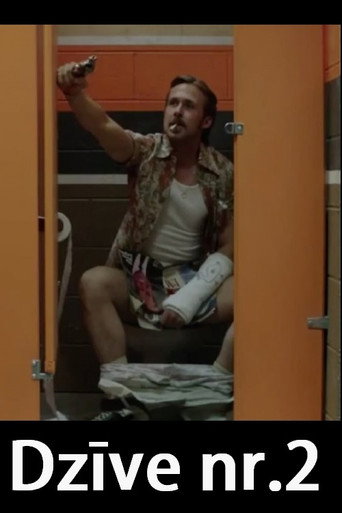
Latavio, or Life Nr. 2
An omnibus film consisting of ten parts, each directed by a different young director from the Latvian Academy of Culture. The unifying element of the ten shorts is the place where they take place - the airport. A lot can happen there - including a strike by a comet, a malicious attempt to break havoc by passengers, or an exploration of the old airport guard's house where not a lot has changed since the collapse of the Soviet Union. The film consists of the following parts: A Mishap (Nediena) by Arta Biseniece, Blurp (Šļurp) by Aija Bley, Alien Sky (Svešās debesis) by Viesturs Kairišs, 5 Versions (5 versijas) by Dzintars Krūmiņš, Comet (Komēta) by Māra Liniņa, Cleptomania (Kleptomānija) by Andis Mizišs, Alfredo's Poetry (Alfredo dzeja) by Igors Varenieks, Little Hand (Mazā roka) by Ilze Vidauska, Comet 2 (Komēta 2) by Anna Viduleja, and Life No. 2 (Dzīve nr.2) by Kristīne Želve.

January
It is 1991 in Latvia and nineteen-year-old aspiring cinematographer Jazis’s whole world is thrown into chaos as he is dragged into the people’s peaceful protests against the Soviet Army’s attempted takeover of power in his country.
January
It is 1991 in Latvia and nineteen-year-old aspiring cinematographer Jazis’s whole world is thrown into chaos as he is dragged into the people’s peaceful protests against the Soviet Army’s attempted takeover of power in his country.
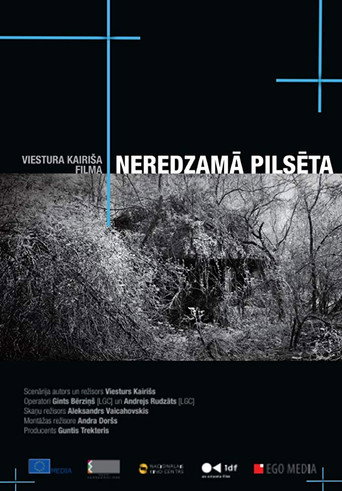
The Invisible City
A story about a city built as a paradise but turned into hell – a city slowly turning into paradise again, just in a different way. Igor has been living in the Chernobyl Zone for almost ten years, for peace and a chance to escape modern civilization. Psychological issues, both personal and global, are still troubling him, and he embodies both harmonizing peace and supernatural stress. And an existential secret – the secret of the essence of life. He is surrounded by the elderly inhabitants of Chernobyl, living in villages entirely overcome by nature. They lead their unrealistic Atlantean lives, from which even war in Ukraine seems to be happening on another planet.
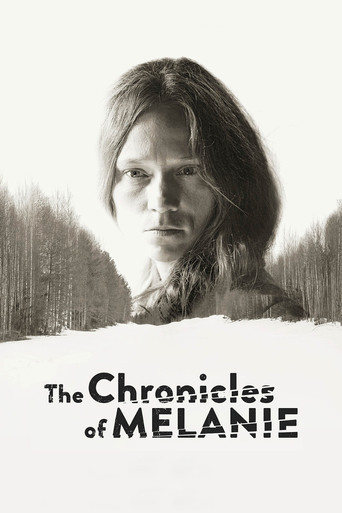
The Chronicles of Melanie
The 14th of June 1941, Soviet-occupied Latvia. Without warning, the authorities break into the house of Melanie and her husband Alexander, and force them to leave everything behind. Together with more than 15 000 Latvians, Melanie and her son get deported to Siberia. In her fight against cold, famine and cruelty, she only gains new strength through the letters she writes to Alexander, full of hope for a free Latvia and a better tomorrow.
The Dark Deer
17-year-old Ria is a sensitive and mysterious young woman. Ria's mother has suffered in a car accident and has stopped speaking since her daughter's birth. The family grows deer for sale, yet, the business is not successful. To earn some money, her father decides to organize a hunt.
The Chronicles of Melanie
The 14th of June 1941, Soviet-occupied Latvia. Without warning, the authorities break into the house of Melanie and her husband Alexander, and force them to leave everything behind. Together with more than 15 000 Latvians, Melanie and her son get deported to Siberia. In her fight against cold, famine and cruelty, she only gains new strength through the letters she writes to Alexander, full of hope for a free Latvia and a better tomorrow.
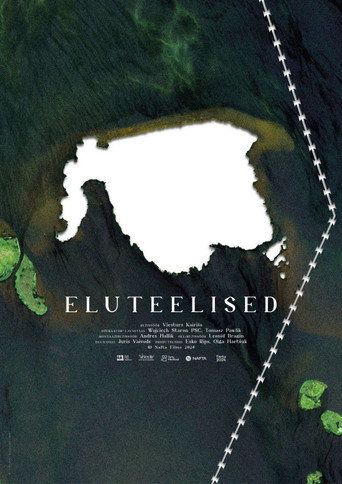
Cohabitants
Piirissaar is a tiny Estonian island in Lake Peipus, on the very border of Russia. The Russian Old Believers who inhabited the island appeared here 300 years ago, during the Great Northern War, fleeing from the religious reforms in the Orthodox Church and to avoid being mobilized in the Russian army. As the waves have washed the island smaller and smaller, the community here has also fused over time, inevitably reaching the brink of extinction. However, the local culture and sense of life that developed in isolation from the rest of the “Russian world” has not yet completely disappeared from Piiriissaar.
Gallery