Victor Rebengiuc Movies, TV Shows, and Filmography

Victor Rebengiuc
Acting
Biography
From Wikipedia, the free encyclopedia. Victor Rebengiuc (known in full as Victor-George Rebengiuc; born February 10, 1933) is an award-winning Romanian film and stage actor, also known as a civil society activist. Since 1957, he has been a member of the Bulandra Theater company, acting in more than 200 roles on that stage alone. Having had his breakthrough performance with Liviu Ciulei's The Forest of the Hanged, Rebengiuc became a major figure in Romanian cinema, and became especially known for his 1986 appearance in Stere Gulea's Moromeţii. He also starred in films by Dan Piţa (Tănase Scatiu; Dreptate în lanţuri; Faleze de nisip; The Man of the Day) and Lucian Pintilie (De ce trag clopotele, Mitică?; Balanţa; Too Late; Last Stop Paradise; Niki and Flo; Tertium non datur). Rebengiuc was celebrated for his stage performances, appearing in plays directed by, among others, Ciulei, Radu Penciulescu, Andrei Şerban, Cătălina Buzoianu, Yuri Kordonsky, Gábor Tompa and Alexandru Dabija. The former husband of actress Anca Vereşti, he is married to Mariana Mihuţ, his Bulandra colleague. Rebengiuc's life under the communist regime provided him an anti-communist perspective, and some of his 1980s films were censored or banned by the country's officials. In 1989, he took part in the Romanian Revolution, when he was among the people who stormed into the Romanian Television building and broadcast the downfall of Nicolae Ceauşescu and an end to communist rule. Rebengiuc subsequently spoke out against political forces he believes stand for the regime's legacy in modern society, and called for the retrospective condemnation of communism. As a public figure, he has had a brief career in politics, and, since the mid-1990s, endorses non-governmental organizations. Description above from the Wikipedia article Victor Rebengiuc, licensed under CC-BY-SA, full list of contributors on Wikipedia.
Filmography Movies
Acting
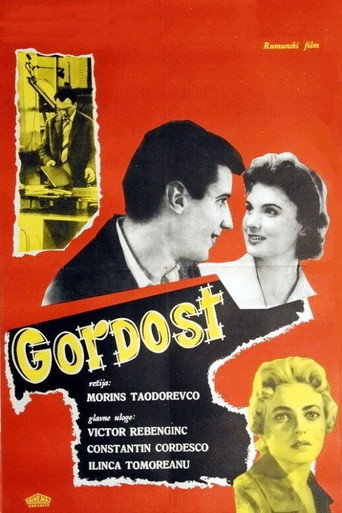
Mîndrie
The film centers on the story of two young specialists Andrei and Liviu, their different attitudes to work, to their authority and to friendship.
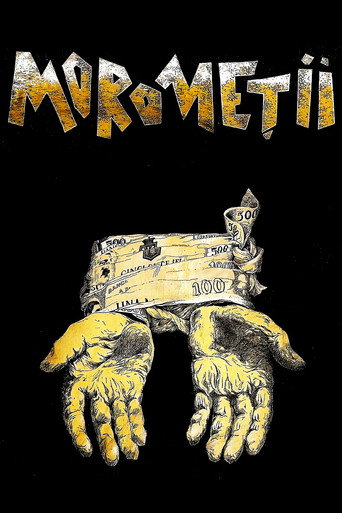
The Moromete Family
Story of a family. Problems, marriage, taxes, revenge, friendship, army, life and much more.
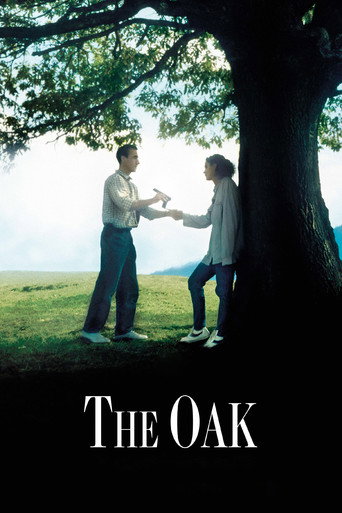
The Oak
A description of Romania before Ceausescu's downfall, through the story of Nela. Daughter of a former colonel of the Securitate, the romanian political police. She refused to become like her sister, an agent of this Securitate, and lives with her father. After he died, she leaves Bucharest, and ends up in a little town, where she meets Mitica, a surgeon, another herself, laughing at everything.
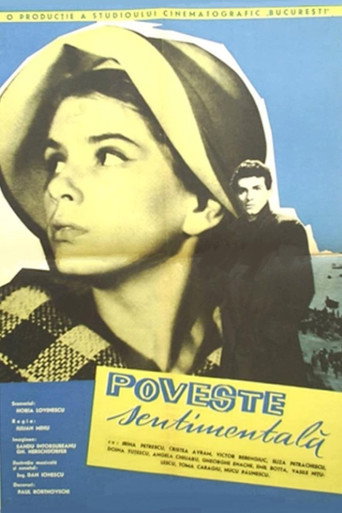
Poveste sentimentala
Georgie, a young talented and respected doctor, leaves his job at a hospital in the capital and goes to work in a remote fishing village. Georgie has a hard time in the new place, where the fishermen prefer the witch doctor to the doctor. Boredom and unsettled life irritate his wife Irina, and she returns to the city. After some time, when Georgie managed to defeat the distrust of the fishermen, win their respect and love, he persuaded Irina to return. During a noisy and merry celebration, Irina carelessly climbed a precipitous bank and fell to her death.

Tuesday, After Christmas
Paul Hanganu loves two women. Adriana his wife and the mother of their daughter, the woman with whom he's shared the thrills of the past ten years, and Raluca the woman who has made him redefine himself. He has to leave one of them before Christmas.
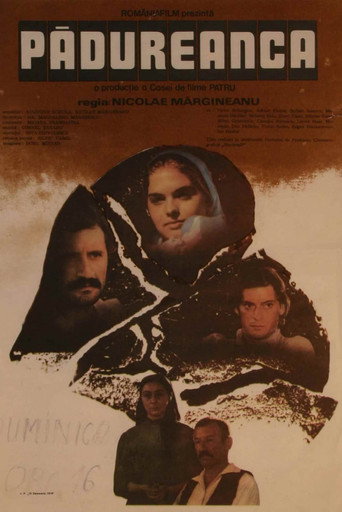
The Forest Woman
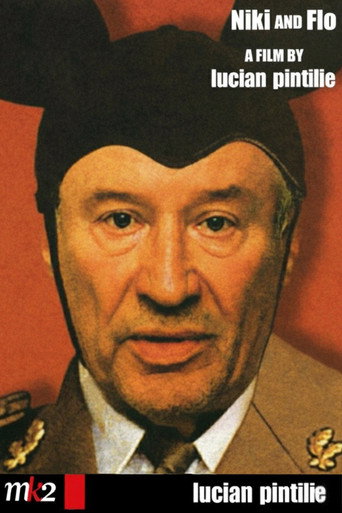
Niki and Flo
In this very black comedy about ill-suited neighbors united by marriage, Niki is a former colonel in the Romanian army whose daughter is married to the son of Flo, an aging Bohemian who is full of schemes for the “new” Romania. As the young couple prepares to emigrate to the U.S., Niki is obliged to interact with Flo, whom he finds totally unbearable.
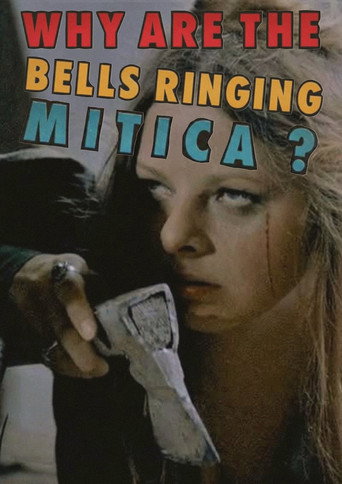
Why Are the Bells Ringing, Mitica?
Based on a theatrical text by Romanian writer Ion Luca Caragiale (1852-1912), who was a bitter and funny witness of the turn-of-the-20th-century Romanian bourgeois mores, Carnival Scenes manages to preserve and further enhance the slightly hysteric atmosphere of his plays. Pintilie creates a strange combination of carnival scenes which is brought to the screen as a burlesque, fast-paced, screwball comedy with a meditative undertone. This film was banned in Romania for a decade until the death of Ceausescu in 1989 and was only released after the 1989 revolution.
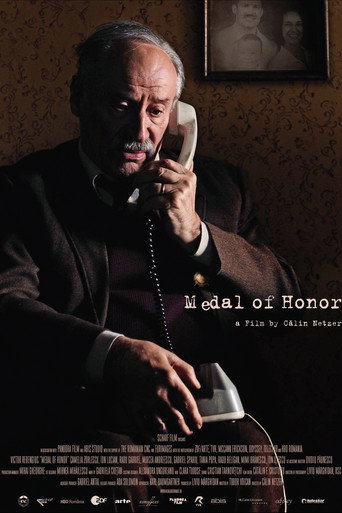
Medal of Honor
Accidentally receiving a Romanian Medal of Honor, a 75-years-old retiree uses it to regain respect from his family.
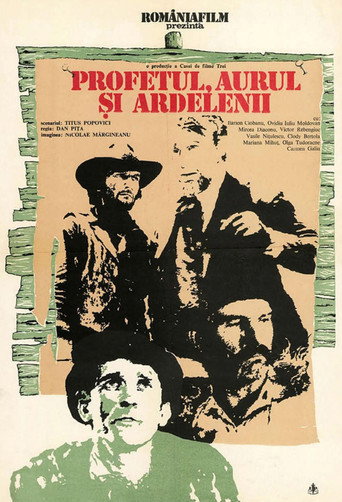
The Prophet, the Gold, and the Transylvanians
Two peasants from Transylvania go to America in order to meet their brother who had left Romania ten years earlier. They meet a prophet in the American state of Utah and eventually help the cause of justice in the villages where the prophet proves to be a dictator and exploiter of the coal miners over there.
Gallery