Victor Keune Movies, TV Shows, and Filmography
Victor Keune
Acting
Biography
No biography available.
Filmography Movies
Acting

Osceola
Florida, 1830 - Of all eastern Native American tribes, only the Seminoles have resisted being moved to reservations. Having retreated to Florida, they live a simple horticultural life. But white plantation owners, angry at the increasing numbers of black slaves fleeing to Seminole protection, want to take their land. Plantation owner Raynes, in particular, has convinced the military to wipe out the Seminoles. His rival Moore, a sawmill owner from the North who has a Seminole wife, is against slavery and considers it unprofitable. Chief Osceola sees the coming danger; he tries to avoid provoking the whites, but cannot prevent the war that breaks out in 1835.
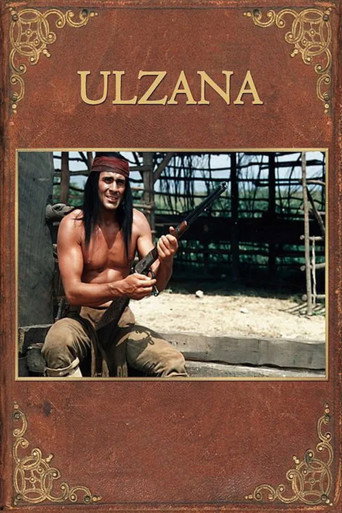
Ulzana
This rather unconventional Western movie is set in the middle of the 19th century in Arizona. The film portrays an Indian tribe, the Mimbreno Appacheans, who are celebrating their Thanksgiving, building an irrigation plant, carrying on commerce, and trying to settle down in a rather constricted territory. But the confrontation with the white Americans changes their situation as the mercantile "gentlemen" want to prevent the Indian tribe to become independent from the white men′s business practices. Thus, they destroy the irrigation plant and chase the Indian tribe in an inhospitable territory where they cannot survive. Led by their chief Ulzana, the Appacheans thus start a bitter fight to preserve their habitat.
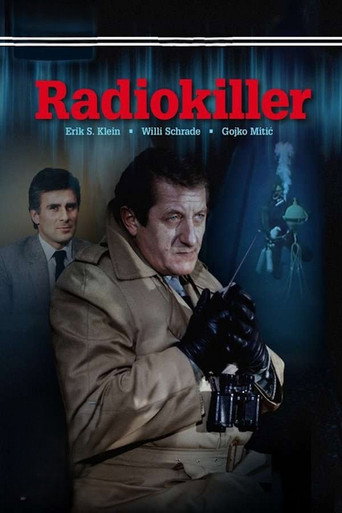
Radiokiller
Enemy secret services from the West had used modern technology for the "cold war", i.e. the confrontation with the Eastern Bloc, and developed a device called COMMINT 3-72. Its nickname was "Radiokiller". This weapon was not much bigger than a soccer and could be easily camouflaged on the territory of the GDR, for example as a fieldstone, the remains of a wall or a lump of earth. These enemy objects were inconspicuous on the outside, but packed with complicated inner workings, i.e. highly sophisticated microelectronics.
Optimistische Tragödie
During the October Revolution in 1917 the Bolshevik Party appointed a woman commissioner of the “Free Anarchist-Revolutionary Section”. This regiment emerged from an anarchist division of the ship of the line “Imperator Paul I.”
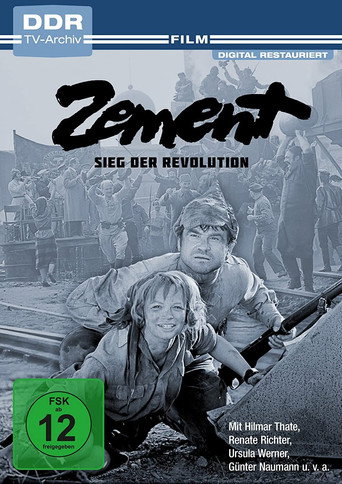
Zement
Early 1921: a man is on his way home. Gleb Chumalov, regimental commander, worker and Hero of the Order of the Red Banner, returns to his home town from the Civil War. The victory over the enemies of the Russian people gives him the conviction that a new, better time will dawn overnight. Gleb looks for his comrades from earlier years, but only finds people who are emaciated by their efforts. The cement works where he used to work has been plundered and abandoned. With great effort, Gleb and his comrades try to get the plant up and running again. The struggle seems to begin anew... It is the time after the victory of the “Great October Socialist Revolution“ and the time of building a new society.
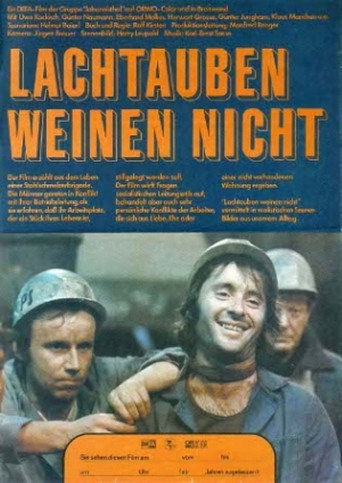
Lachtauben weinen nicht
The film tells the story of the smelter brigade of a steel mill whose members are connected by a strong comradeship. Among the workers are, for instance, young Rolf, whom everybody just calls "Lachtaube" and who always comes through for his co-workers, or the likable Hubert, who works as a simple smelter again after being dismissed as the head of the steel mill. Then, there is also the stubborn Manfred, who should have become a brigadier long ago because of his experience and his competence, but this privilege is refused to him because Manfred is not a party member. Ironically, it is Manfred who hears by accident about the plans of the mill to close down the old Martin furnaces – and to lay off the smelters. When the other men learn about the plans they enter the barricades for their jobs and force the plant′s management to face the workers′ demands and criticism.
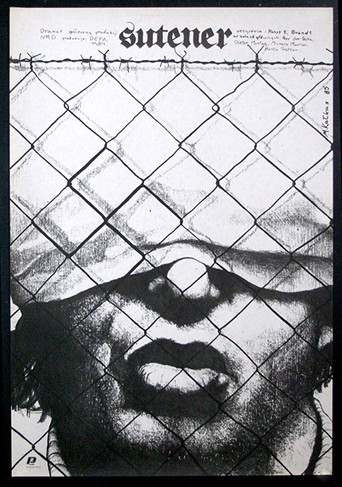
Der Lude
Berlin in the early 1930s. Bello is an unemployed young man who loves the underage Frieda. In order to earn a living for both of them, Frieda goes on the streets. An inspector from the political department takes advantage of this to blackmail Bello into providing informer services. But that's not all. A jealousy murder among pimps, whose victim is a high-ranking Nazi, is blamed on the Communists, and Bello is supposed to be the key witness. He refuses. When the Nazis come to power, they reopen the case to turn the murdered man into a martyr. Bello still refuses. He now believes he is safe because Frieda is now of age. But he pays for his refusal with his life.
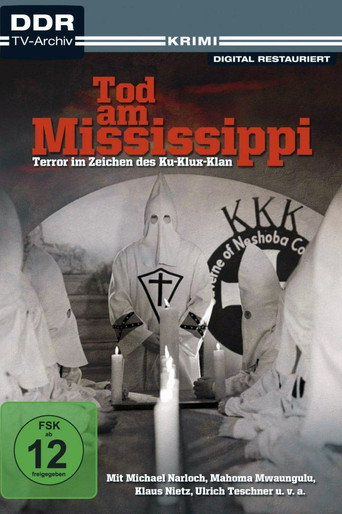
Tod am Mississippi
USA 1964: Three young men are arrested on suspicion of speeding. As it turns out, they are employees of a civil rights center in Mississippi who are fighting against the racist Ku Klux Klan. The disappearance of the activists leads to a political scandal in the USA. There are riots and demonstrations against the president's civil rights policy. Despite smear campaigns in the south of the USA, a trial is held in which the background is to be clarified. But the real perpetrators have their own laws...
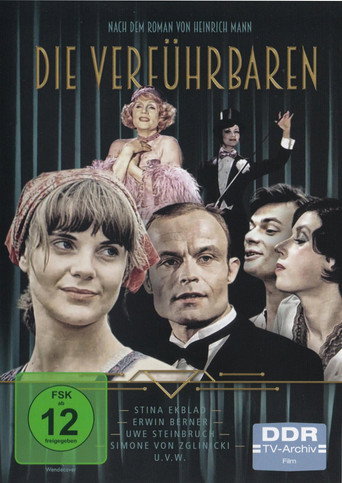
Die Verführbaren
1929: Marie Lehning, a farm worker from Warmsdorf on the Baltic Sea, falls in love with the fisherman's son Mingo. Both complete an apprenticeship in Lübeck. Marie wants to become a seamstress, Mingo a carpenter. After their first night of love, they swear eternal fidelity. But Marie has to return to the village, her mother is ill and her siblings are unprovided for. She starts working as a maid on a farm. Unexpectedly, she meets the young Kurt Meier from Berlin, whom she knows from before.

Nachtspiele
Two men and two women in a hotel.