Acting
No biography available.
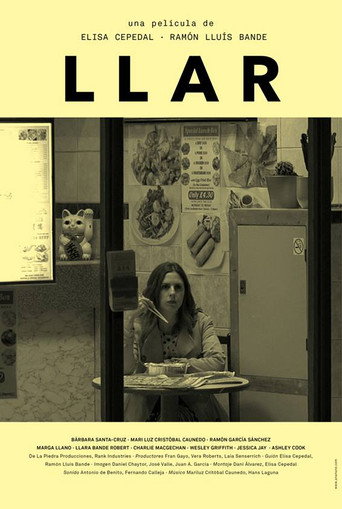
After more than a decade working in England, the filmmaker Elisa Cepedal returns to Cuencas to shoot a film about the end of the two centuries of history of coal mining: around her other remains of her land's past are dying.
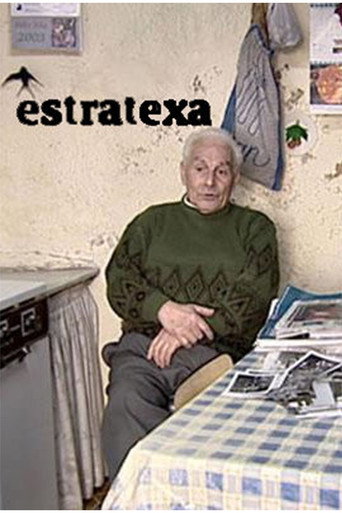
After the recent closure of the Carrio well, a symbol of the end of an industry that has marked the character of a town, Barredos faces depopulation and oblivion. However, the testimonies of those who are still alive and the photographic material from the mid-20th century by Corsino García Alonso, a local photographer and grandfather of the author, manage to show that the memory still endures. The stories of its heyday told orally and visually and its characters intertwine and contrast with a current declining, empty post-industrial landscape.
“Together we lived the revolutionary experience of these last years. Together we took up arms in October. Together we suffered the bloody blows of the repression. As class brothers we rose up to crush the criminal uprising caused by the most rotten part of the Spanish reaction”. A story of the Sovereign Council of Asturias and Leon (August 24 – October 21, 1937).
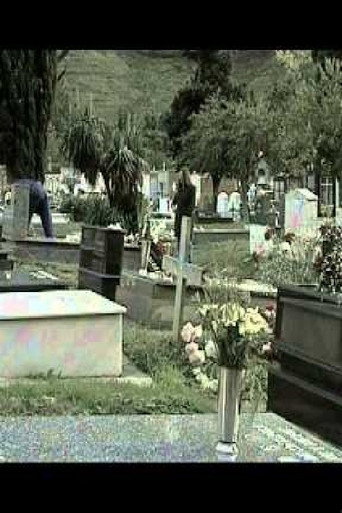
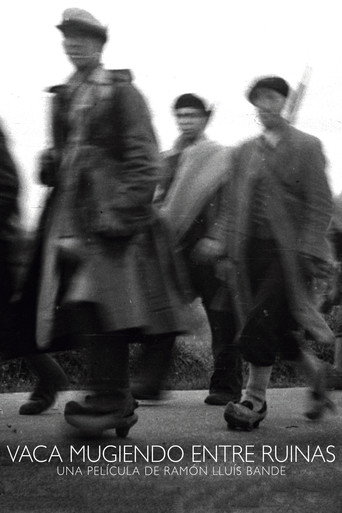
Between October 1937 and November 1952 hundreds of Republican supporters took to the mountains of Asturias with two main objectives: to save their lives, and to continue their armed resistance against Franco. Many of them would die in those mountains. This film is centered on filming the places in the present where the major figures of the Asturian Guerrilla Group were killed.
Documentary directed by Ramón Lluís Bande about the creative process Nacho Vegas makes about El Fulgor, song included in his second album "Cajas de música difíciles de parar" (2003).
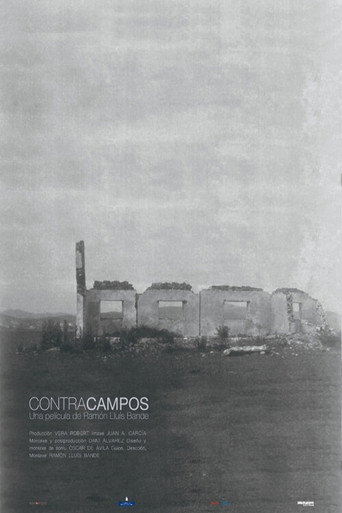
Contracampos is the attempt to (re)build a landscape. A recreational area and a shooting range in the west of Asturies, which, between 1937 and 1943, housed a Francoist concentration camp through which thousands of Republicans passed – firstly militiamen, later guerrillas and their relatives. Sharing a leisurely observation with the viewer, the film intends to resignify that space, giving it back its political meaning. But it is not a question of showing –of filming– the invisible, but rather of showing what is missing in what exists today. What was and is no longer, not even in people's memories.