Acting
No biography available.
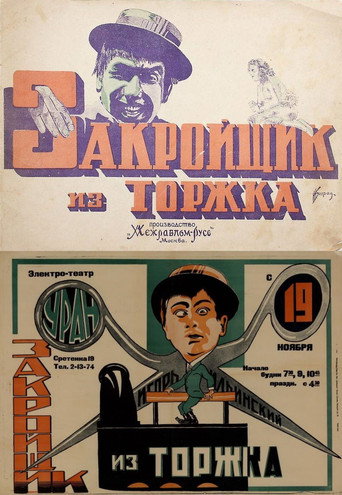
A 1925 Soviet comedy sponsored by the Soviet Finance Ministry, with a plot promoting the new economy. A small-town tailor, Petya Petelkin (Ilyinsky), bought a lottery ticket and handed it to his landlord, widow Shirinkina (Deykun) who wants to marry him. Petya is a hard-working tailor trying to start his own business. He is also in love with Katya (Maretskaya), whom he wants to marry. He has to survive a cascade of funny situations in the unstable Soviet reality, before his romance with Katya comes to a happy ending.
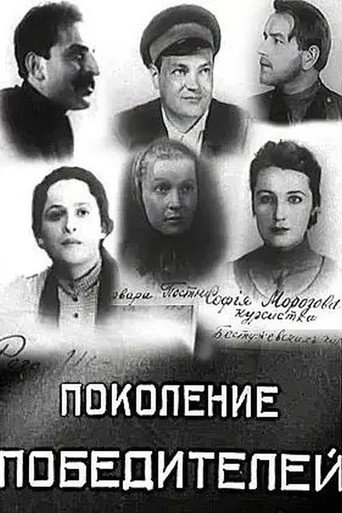
The film covers the events of 1896-1905 - from the first revolutionary gatherings to the armed Moscow uprising of workers at Krasnaya Presnya, later called Bloody Sunday. St. Petersburg students Alexander Mikhailov and Yevgeny Svetlov and a peasant girl Varvara Postnikova arrive in Moscow and follow the complicated path of underground revolutionaries.
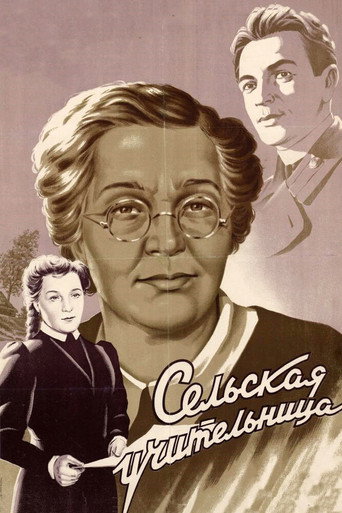
A life-long story of a romantic school teacher who left imperial St. Petersburg for teaching country children. Driven by noble intentions to enlighten people and examples by 1880s revolutionary "People's Will" member teachers, a young woman spent her life in a village and evidenced the changes a Russian village has undergone from pre-revolutionary tsarist times to late 1940s.
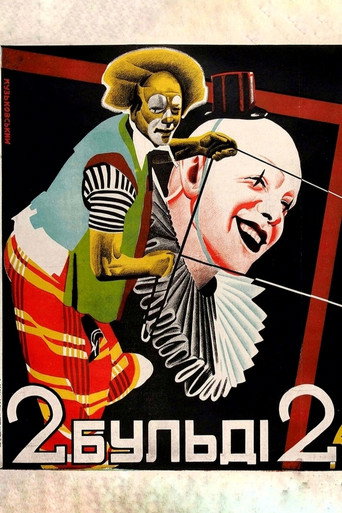
Naturally, the circus milieu of 2 Buldy 2 (1929) encourages stunts. A father and son, both clowns, are to perform together for the first time, but the civil war separates them, and the elder Buldy, tempted for a moment to acquiesce to the White forces, casts his lot with the revolution. At the climax Buldy Jr. escapes the Whites thanks to flashy trampoline and trapeze acrobatics; the gaping enemy soldiers forget to shoot.
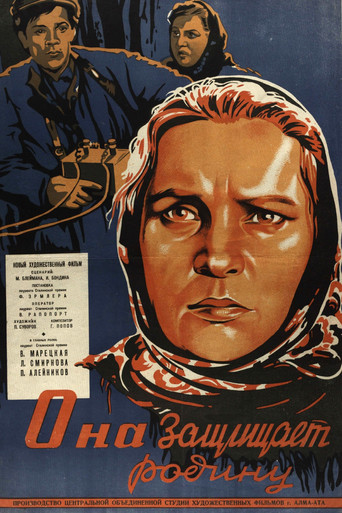
The first day of the war brings tragedy to a peasant woman, Pasha. Her husband and her toddler son die before her eyes. She and the other villagers leave to go into the woods. Pasha leads the villagers to fight some German troops. Coming out victories, the partisans become a feared opponent of the Germans, with the leadership of Comrade P.
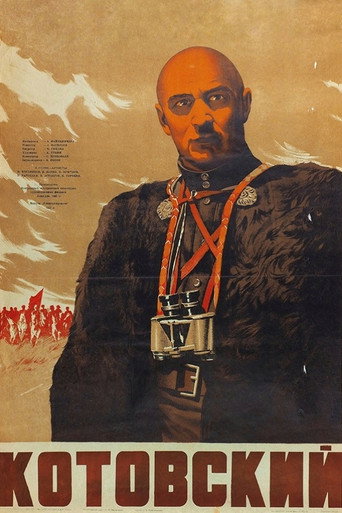
Kotovsky, who went a long revolutionary way and became the recognized military commander of the cavalry troops: commander, brigade commander, commander. Six times he escaped from prison, was sentenced to death, and again escaped to become one of the most ardent warriors of the revolution. His famous equestrian brigade fought with the enemy near Kiev and the Belaya Tserkov, at Nikolaev and Odessa, and did not know defeat anywhere.
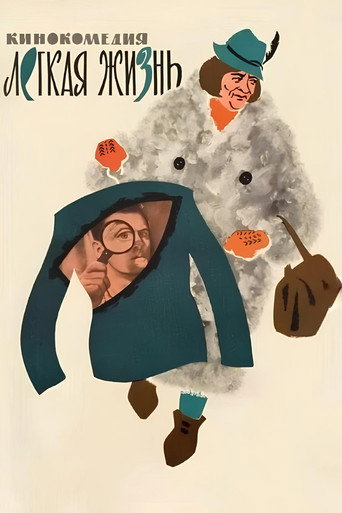
A chemist by training, Alexandr Bochkin manages a Moscow dry-cleaning operation, but lives a very comfortable life, taking orders on the side for his speculative "private enterprise," run in conjunction with "Queen Margot". But when his old friend from the chemical institute, Yuri Lebedev arrives in Moscow from the Siberian city of Dalnegorsk, along with a traveling companion, Olga, Bochkin becomes uncomfortable with his job title.
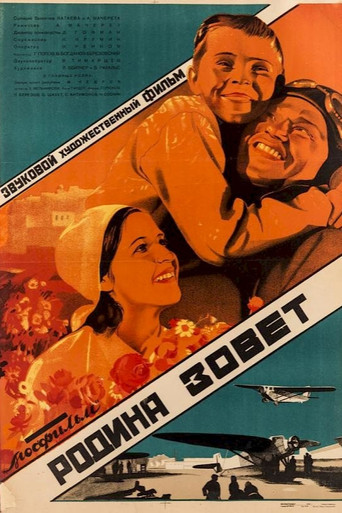
This is a film from the series of so-called "defense" films, which presents a hypothetical "scenario" of a future war. The crew of test pilot Sergei Novikov makes a long non-stop flight on an airplane of a new design. Novikov's son, Yurka, a passionate inventor, manages to contact his father using a transmitter he designed himself. Just before landing Novikov felt bad - an old leg wound, received during the Civil War, had opened. But still the pilot managed to land the plane on the airfield of the aircraft factory. After an editorial article in the newspaper Pravda, the movie was removed from the screens.
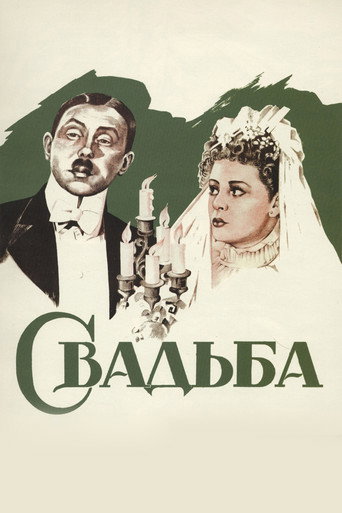
According to the eponymous vaudeville by A.P. Chekhov. Petty bourgeois Zhigalovs, whose daughter-in-law Dasha is being extradited, find out to their horror that the official Aplombov, who has been caring for Dasha all summer, has dined every day with them and has proved himself to be his bridegroom, is not going to marry at all.