Acting
No biography available.
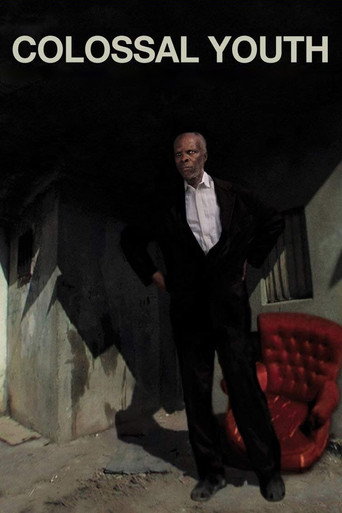
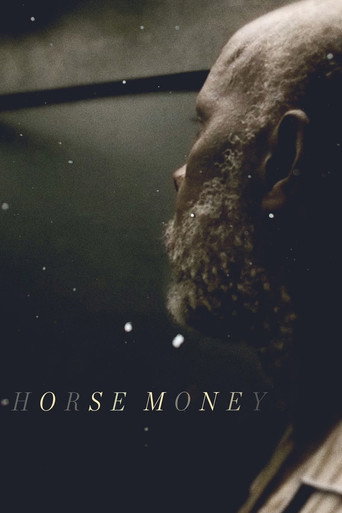
After the Portuguese government demolishes his slum and relocates him to a housing project on the outskirts of Lisbon, 75-year-old Cape Verde immigrant Ventura wanders between his new and old homes, reconnecting with people from his past.
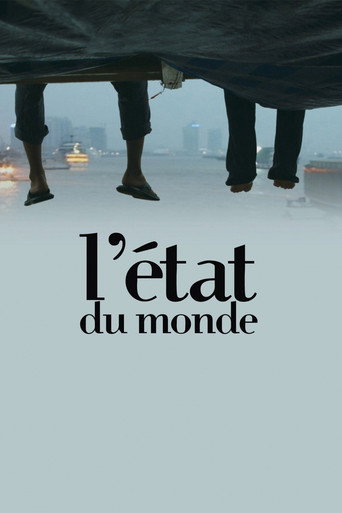
Six directors, six independent films, six visions on the state of the world. Each carrying a unique and personal interpretation of a specific experience, their crossover creates new space for a dynamic and radical inquisitive reflection.
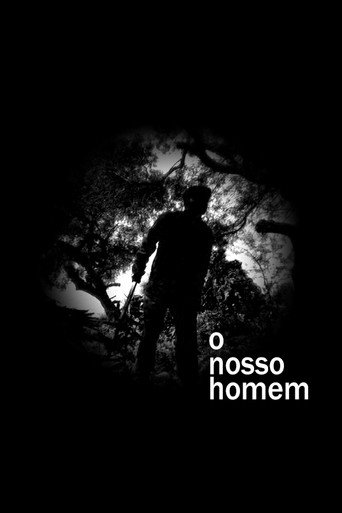
O Nosso Homem (Our Man) is a short variation in the line of the trilogy Pedro Costa has devoted to the habitants of the Fontainhas quarter, which has been destroyed in the meantime. It can be considered as a sort of appendix to the third part, Juventude en Marcha (Colossal Youth), in which the hero, Ventura, reappears as one of the four characters of this dialogue of hopelessness.
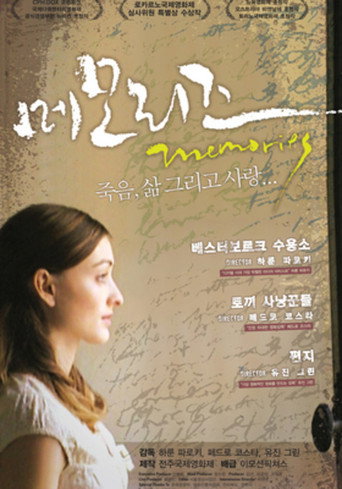
Previously focused on Asian directors, “Jeonju Digital Project 2007” takes a look at Europe. The Portuguese filmmaker Pedro Costa, the German filmmaker Harun Farocki, and the French filmmaker Eugène Green participated in this project.
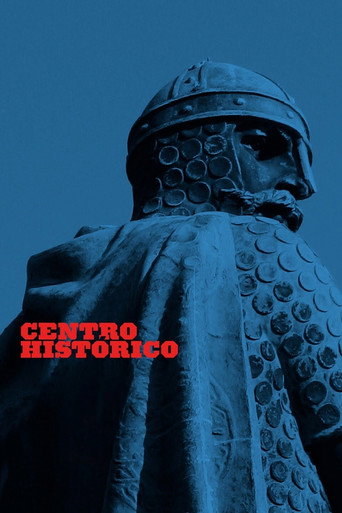
Four voices and their visions of Guimarães, cradle city of the Portuguese nation and European Capital of Culture in 2012.
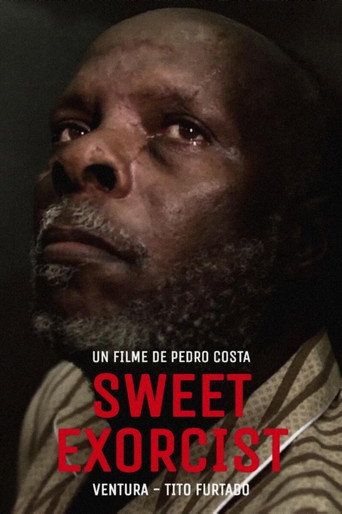
A participant in a coup d'état by young commissioned officers, Ventura loses his way within the woods. Eventually, Ventura is admitted into a mental hospital where he has conversations with "ghosts" of the past in the hospital's elevator.
While the young captains lead the revolution in the streets, the people of Fontainhas search for Ventura, lost in the woods.
Pedro Costa's segment from "O Estado do Mundo".
Pedro Costa's segment from the Jeonju film "Memories".
A Cape Verdean woman navigates her way through Lisbon, following the scanty physical traces her deceased husband left behind and discovering his secret, illicit life.