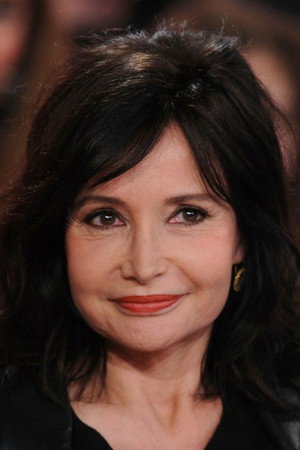
Évelyne Bouix Movies, TV Shows, and Filmography

Évelyne Bouix
Acting
Biography
Évelyne Bouix (born 22 April 1953) is a French film actress and stage actress. She has appeared in 61 films from 1970. She was made Chevalier (Knight) of the Ordre national du Mérite in 1999. From Wikipedia, the free encyclopedia
Filmography Movies
Acting
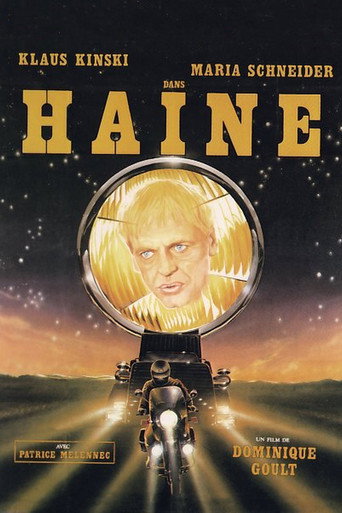
Haine
Klaus Kinski plays the role of a drifter on a motorcycle who happens to be passing through town immediately after a young school girl has been run over and killed by an unknown person on a motorcycle. The parents of the girl conspire to get rid of Kinski with the help of some of the locals including the town bully who recently had a run-in with Kinski in a pub over a woman. Kinski's only ally is the woman whose honor he tried to defend. Trapped in the town due to sabotage on his bike and a number of other incidents, Kinski soon realizes he is in real trouble.
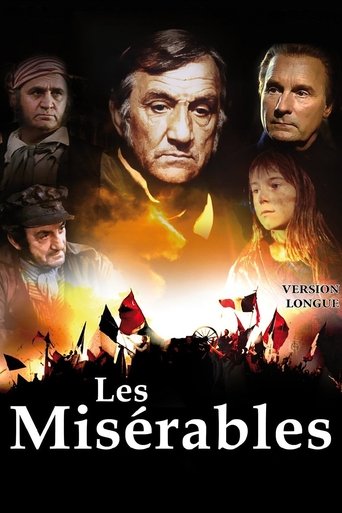
Les Misérables
In 19th century France, Jean Valjean, a man imprisoned for stealing bread, must flee a relentless policeman named Javert. The pursuit consumes both men's lives, and soon Valjean finds himself in the midst of the student revolutions in France.
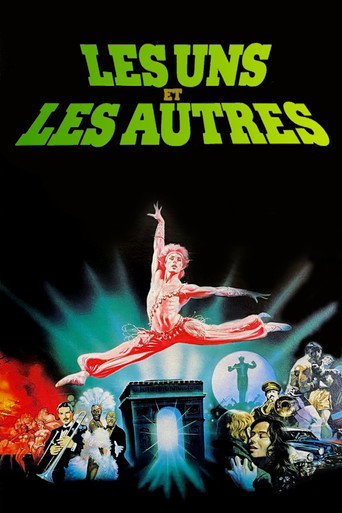
Bolero
The film follows four families, with different nationalities (French, German, Russian and American) but with the same passion for music, from the 1930s to the 1960s. The various story lines cross each other time and again in different places and times, with their own theme scores that evolve as time passes. The main event in the film is the Second World War, which throws the stories of the four musical families together and mixes their fates. Although all characters are fictional, many of them are loosely based on historical musical icons (Édith Piaf, Josephine Baker, Herbert von Karajan, Glenn Miller, Rudolf Nureyev, etc.) The Boléro dance sequence at the end brings all the threads together.
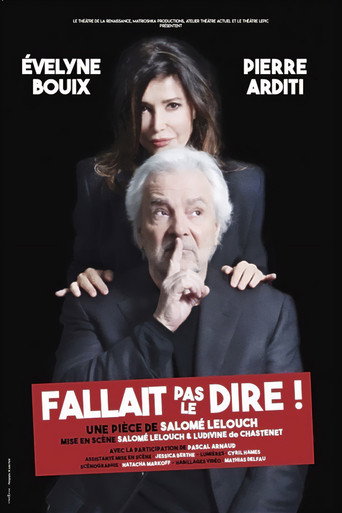
Fallait pas le dire !
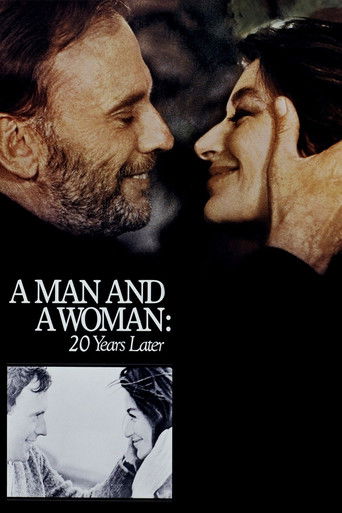
A Man and a Woman: 20 Years Later
Jean-Louis and Anne have had their fling and separated. Now 20 years have passed. He is still dating various women. She is now a big-time director whose most recent film was a very expensive bomb. She comes up with the idea of making a romance based upon her fling with Jean-Louis. She contacts him to gain his permission. Jean-Louis is still in racing and goes away for a desert rally while she begins filming. She finds the mood of their romance difficult to recapture in her film.
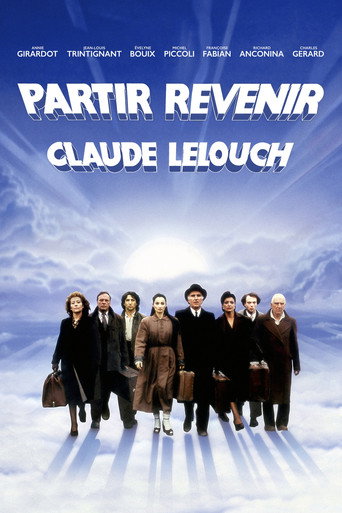
Going and Coming Back
Salomé Lerner just finished writing an autobiography. She goes to a TV show called "Apostrophes", hosted by French TV showman Bernard Pivot. Pivot then imagines a film that could be created from her gripping story. A film entirely made of music because after seeing the young pianist Erik Berchot, Salomé believes seeing her long lost brother, who was a musician as well. A brother she had lost along with her parents in 1943. However, the Lerners did in fact escape the gestapo and might have based themselves in Paris...
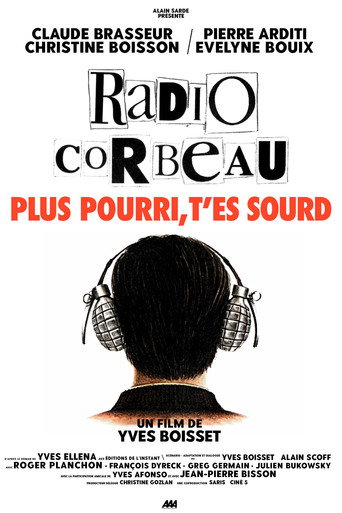
Radio corbeau
This fast-paced mystery is in part based on a novel by Yves Ellena and is at least equally based on the 1943 classic Le Corbeau, which in 1951 was produced in English by Otto Preminger as The Thirteenth Letter. In this movie, someone is using a pirate radio broadcast to dish the dirt on the lives of the elite of a small French town.
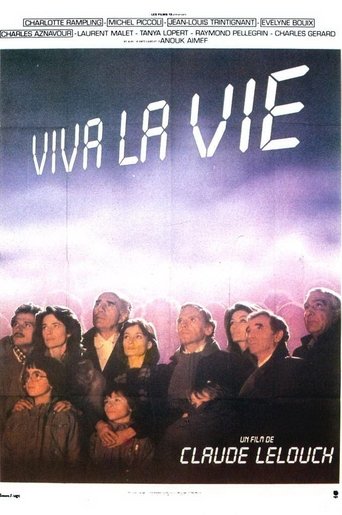
Long Live Life
The movie starts with an interview with director Claude Lelouch. He pleads viewers not to disclose the plot of the movie after leaving the projection room. Even the movie's trailer shows only a long sequence of faces gazing speechlessly in space. "Like all my movies, this one is about a man and a woman", says Lelouch in the interview.
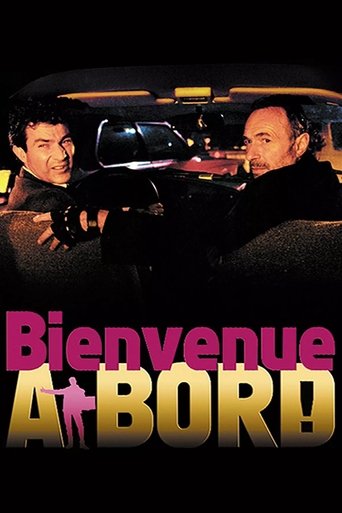
Welcome Aboard!
A philosophizing uninvited hitchhiker terrorizes a writer, who's selling dictionaries while he's struggling with writer's block.
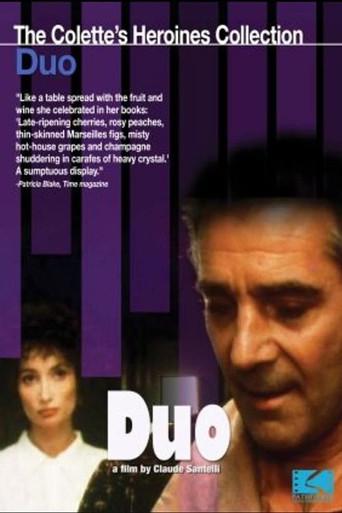
Duo
A couple who appears to have the perfect relationship finds their future in jeopardy following a scorching night of lust and debauchery in this erotic drama adapted from the controversial novel by French author Colette.
Gallery