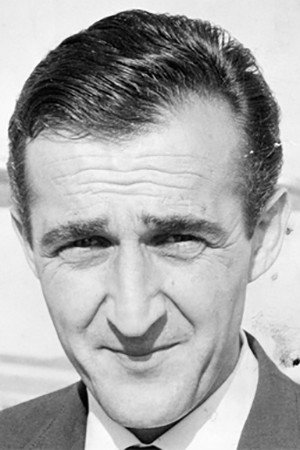
Veljko Bulajić Movies, TV Shows, and Filmography
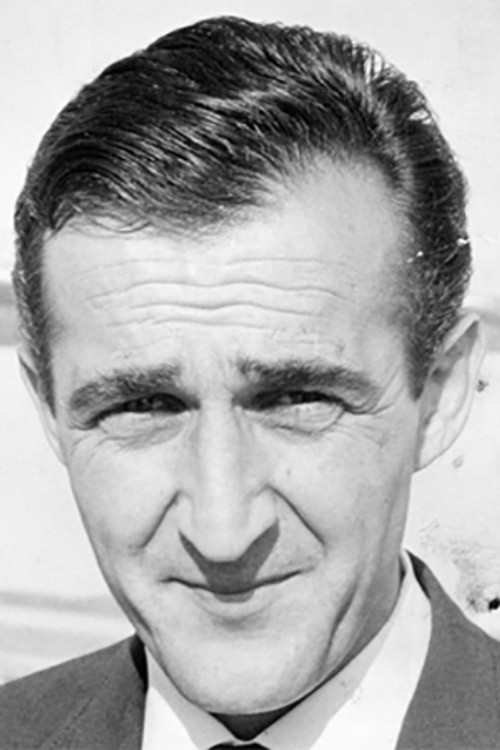
Veljko Bulajić
Writing
Biography
Veljko Bulajić (22 March 1928 – 2 April 2024) was a Montenegrin film director and UNESCO Kalinga Prize recipient. Bulajić spent the majority of his life working in Croatia and is primarily known for directing World War II-themed movies from the Partisan film genre. According to the Croatian Public Broadcasting Company, his films have reached an audience of over 500 million viewers worldwide. The top four most viewed Yugoslav films of all time were all directed by Bulajić. MUBI streaming service describes Bulajić as "a creator of made-to-order epic blockbusters".
Filmography Movies
Acting
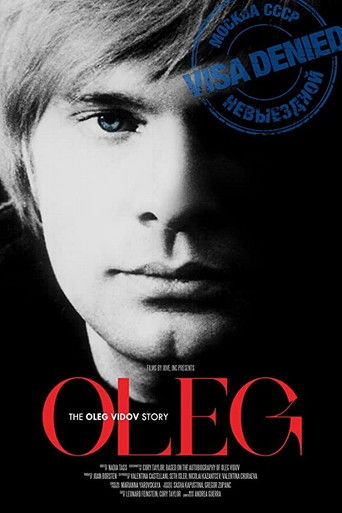
Oleg: The Oleg Vidov Story
Oleg Vidov — one of the Soviet Union's most beloved actors — was persecuted, blacklisted and pushed to the breaking point before escaping to the West and achieving the American dream.
Scenes from the Life of BH Film
The history of Bosnian cinematography over 75 years of existence.
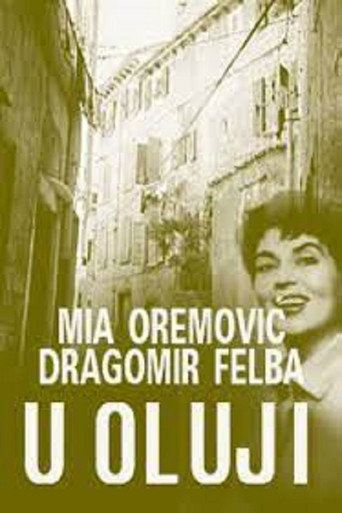
In the Storm
Rose is a young woman who lost her husband in WW2, leaving her and their daughter behind. She gets close with his good-natured brother Drago. However, an unscrupulous smuggler Vincenzo is always around him, and things get tough for the couple.
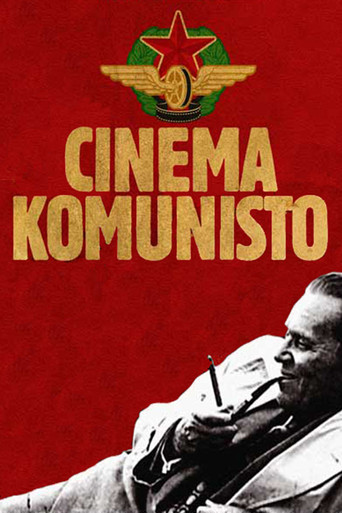
Cinema Komunisto
This eye-opening and bittersweet chronicle of the Yugoslavian film industry recounts how the cinema was used—often with direct intervention from President Josip Broz Tito—to create and recreate the young nation’s history, replete with heroes and myths that didn’t always hew closely to reality.
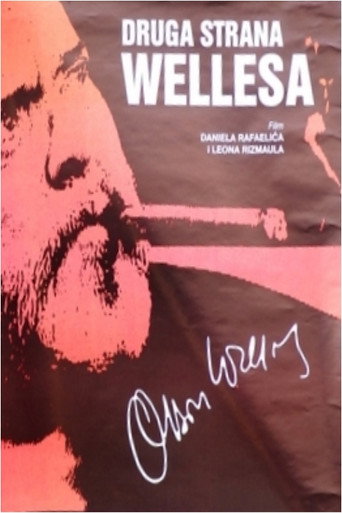
The Other Side of Welles
Film The Other Side of Welles portrays the life, work and intellectual heritage of Orson Welles in Yugoslavian federal unit "Socialist Republic of Croatia". Through the period of 25 years, he appeared as actor in several co productions made in Croatia (David and Goliath, Tartars, Austerlitz) - acted in few Yugoslavian film (Battle of Neretva, The Secret of Nicola Tesla) and directed two of his own film: The Trial and The Deep. As a Hollywood maverick, in Croatia he often found his shelter. Through the never before seen archive materials and the interviews with the people who worked with him, directors of this film, in the 90th anniversary of his birth and 20th of his passing, reveal the other side of Orson Welles
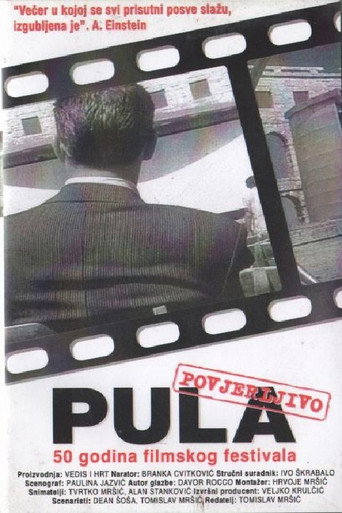
Pula Confidential
A documentary about the history of Yugoslavian Film Festival in Pula and ex-Yu cinema in general. Many legends of ex-Yu cinema were interviewed here.
Production
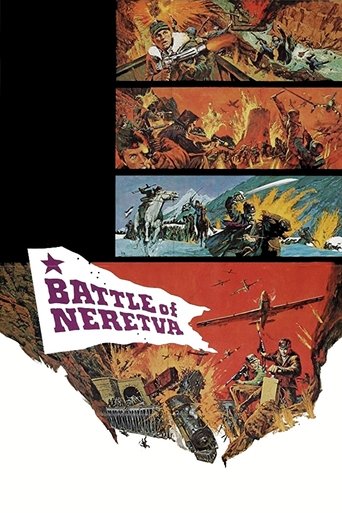
The Battle of Neretva
In January 1943 the German army, afraid of an Allied invasion of the Balkans, launched a great offensive against Yugoslav Partisans in Western Bosnia. The only way out for Partisan forces and thousands of refugees was the bridge on the river Neretva.
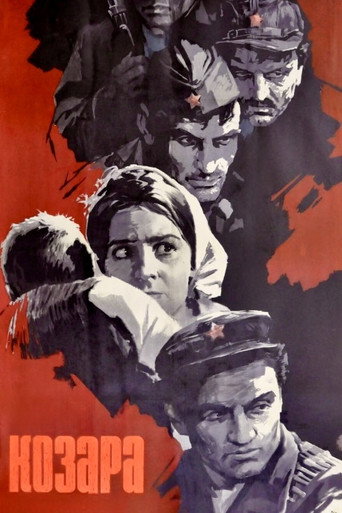
Kozara
In June of 1942 Germans and their collaborators decide to get rid of partisans and their stronghold in the woods of Mount Kozara in Northern Bosnia. They encircle the mountain and begin the mop up operation. Out gunned and outnumbered the partisans must not only take care of themselves but try to protect thousands of refugees too.
Kozara
In June of 1942 Germans and their collaborators decide to get rid of partisans and their stronghold in the woods of Mount Kozara in Northern Bosnia. They encircle the mountain and begin the mop up operation. Out gunned and outnumbered the partisans must not only take care of themselves but try to protect thousands of refugees too.
Atomic War Bride
At a church in the country, eternally optimistic John marries Maria, his Atomic War Bride, as a war starts, planes buzz overhead and bombs start dropping. Though John is "mobilized" by the military seconds after the ceremony, he and Maria seek to be reunited.
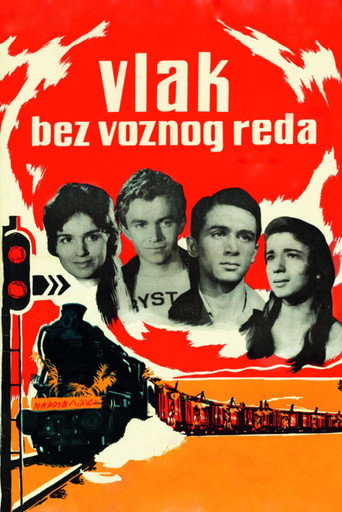
Train without a Timetable
The story about colonization of poor Dalmatian peasants to the fertile Pannonian plain shortly after WWII.
The Man to Kill
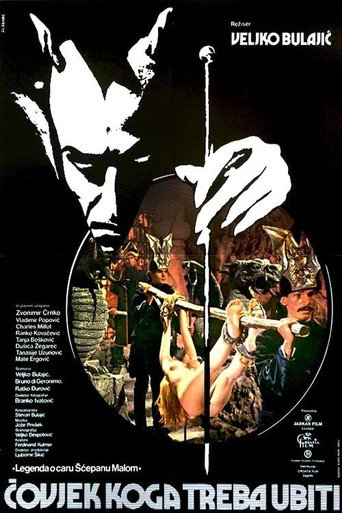
After the murder of the Russian Emperor Peter III, who was succeeded by Empress Catherine, Satan decides that the balance between good and evil on Earth has been destabilized. In order to set things right, he sends his representative to Earth - the teacher Farfa, who bears an unusual resemblance to Peter III. His mission is to seize power from the old Duke of Montenegro, and then to take back the Russian throne as Peter III. The people of Montenegro accept Farfa as their new leader, and he proclaims himself the new Emperor, Scepan Mali, successfully resisting an invasion by the Turks. Farfa is touched by the Montenegrins' kindness and courage, falls in love with the beautiful Elfa, and fails to follow Satan's plan. Not one to be crossed, Satan sets out to kill him.
The Man to Kill
After the murder of the Russian Emperor Peter III, who was succeeded by Empress Catherine, Satan decides that the balance between good and evil on Earth has been destabilized. In order to set things right, he sends his representative to Earth - the teacher Farfa, who bears an unusual resemblance to Peter III. His mission is to seize power from the old Duke of Montenegro, and then to take back the Russian throne as Peter III. The people of Montenegro accept Farfa as their new leader, and he proclaims himself the new Emperor, Scepan Mali, successfully resisting an invasion by the Turks. Farfa is touched by the Montenegrins' kindness and courage, falls in love with the beautiful Elfa, and fails to follow Satan's plan. Not one to be crossed, Satan sets out to kill him.
Boom Town
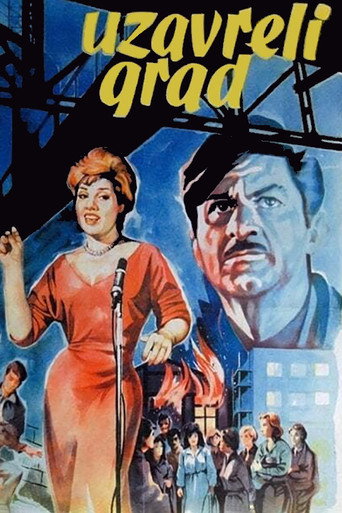
Farmers and their families, engineers, technicians, criminals and prostitutes were acquired on the construction of industrial facilities in Zenica. Siba tries to help them, working with dedication and love that goes beyond his duty. It is difficult to satisfy everyone and achieve more in this scorching city and Siba makes mistakes, carried by desire to achieve the impossible. With great effort, the builders manage to overcome the maelstrom after the dam burst, and while the first iron runs from the new furnace, Siba, dismissed because of errors committed, leaves a boom town of Zenica.
Boom Town
Farmers and their families, engineers, technicians, criminals and prostitutes were acquired on the construction of industrial facilities in Zenica. Siba tries to help them, working with dedication and love that goes beyond his duty. It is difficult to satisfy everyone and achieve more in this scorching city and Siba makes mistakes, carried by desire to achieve the impossible. With great effort, the builders manage to overcome the maelstrom after the dam burst, and while the first iron runs from the new furnace, Siba, dismissed because of errors committed, leaves a boom town of Zenica.
The Day That Shook the World
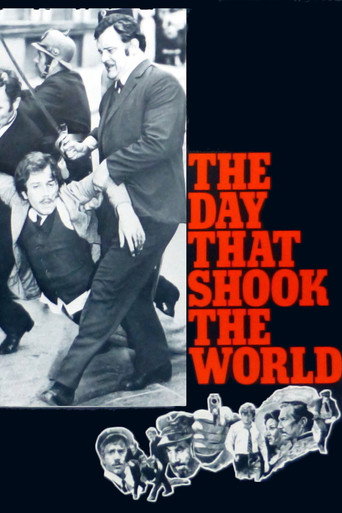
An historical depiction of the events preceding the political murder of Archduke Franz Ferdinand, would-be emperor of the Austro-Hungarian throne, in Sarajevo on June 28th, 1914.
Gallery