Veit Harlan Movies, TV Shows, and Filmography
Veit Harlan
Directing
Biography
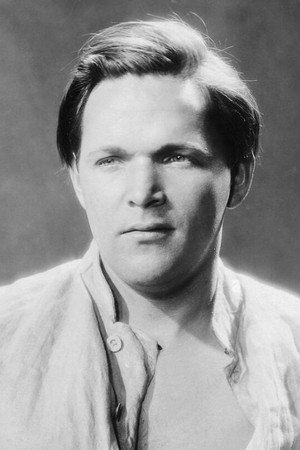
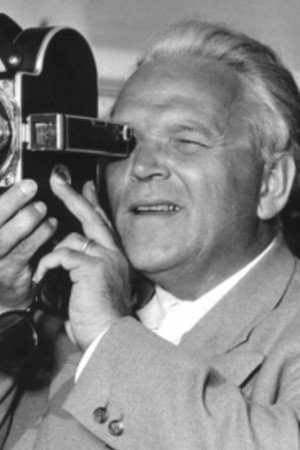
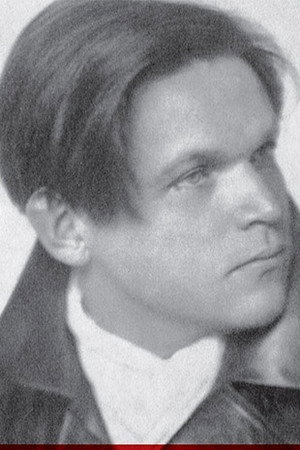
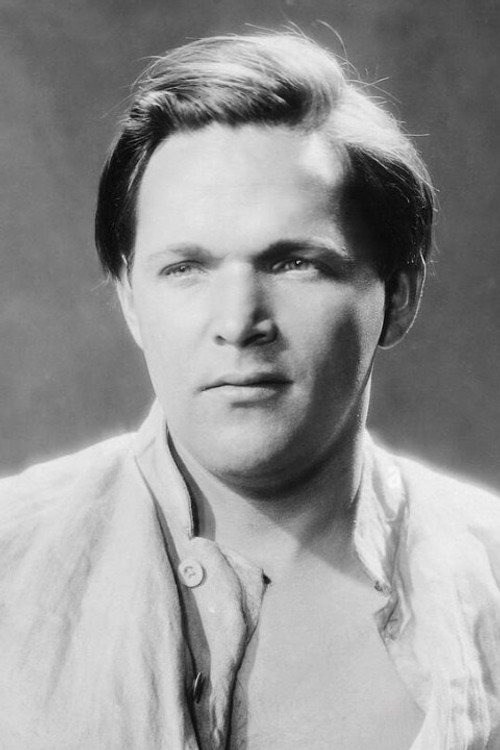
Veit Harlan was born on September 22, 1899 in Berlin, Germany. He was a director and actor, known for Die goldene Stadt (1942), Der große König (1942) and Jud Süß (1940). He was married to Kristina Söderbaum, Hilde Körber and Dora Gerson. He died on April 13, 1964 in Capri, Italy.
Filmography Movies
Acting
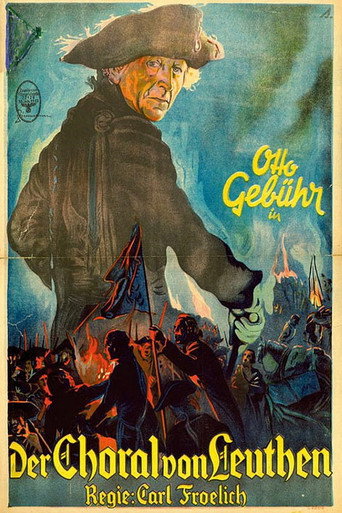
The Anthem of Leuthen
The story of the rise to power of King Frederick II (aka "Frederick the Great") of Prussia of his military campaigns to make Prussia a major power in Europe.
Typhoon
A Japanese doctor, on a secret mission to Paris for his country, becomes romantically involved with a cabaret singer at a Parisian nightclub. His entire mission is put at risk when he kills a rival for her love, a French journalist and blackmailer. (This film was later modified and released in 1934 as Police File 909. That new 76 minute version dramatically altered its plot from the original and the Japanese are now portrayed as unsympathetic villains. The new version was approved by German censors and released in 1934 although its critical reception was poor. It is possible that Wiene, who had left for Budapest in 1933 following the Nazi rise to power, did not personally work on the new version). From Wikipedia.

Joan of Arc
France in the 15th Century: The country is marked by the wars with England and internal power struggles. King Charles sees himself powerless against the state. As emerges from the people suddenly a young woman named Johanna, who claimed that the Archangel Gabriel to be appointed, to save France. First of all doubt the king in their words, but he remembers that the people through this "help of God" is gaining new courage. With the slogan "God and the Virgin!" pulls the revivified victorious army into battle against the English-Burgundian alliance. After Johanna King Charles is crowned at Reims, there breaks the plague over the country in. Now Johanna all the blame on the disaster: God would punish believe in the country for that a heretic; if Johanna were actual a holy, she would deal also with the plague. The waning faith weakens France, England is again on the rise. But Johanna is executed as a witch. Only years later annulled the verdict of the Holy and Johanna explained.
Ein Mädchen mit Prokura
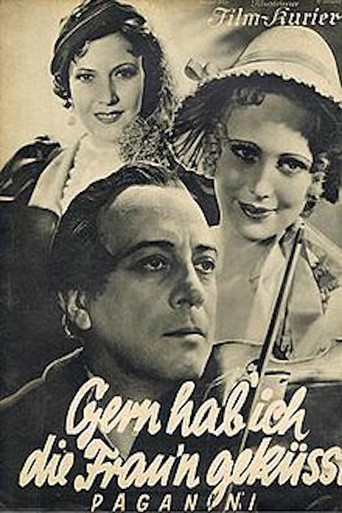
Paganini
Police File 909
A Japanese doctor, on a secret mission to Paris for his country, becomes romantically involved with a cabaret singer at a Parisian nightclub. His entire mission is put at risk when he kills a rival for her love, a French journalist and blackmailer. (This film was a heavily re-shot 76 minute version of the 1933 film Typhoon but with a dramatically altered plot from the original where the Japanese are now portrayed as unsympathetic villains. The new version was approved by German censors and released in 1934 although its critical reception was poor. It is possible that Wiene, who had left for Budapest in 1933 following the Nazi rise to power, did not personally work on the new version). From Wikipedia.
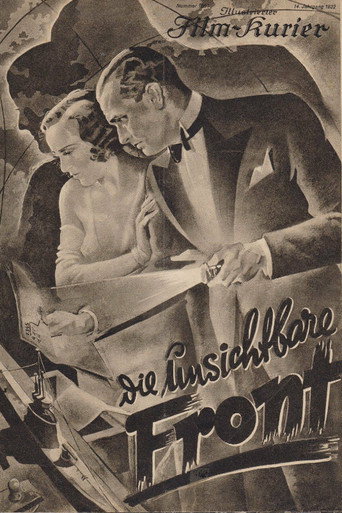
Die unsichtbare Front
During World War I, Ellen Lange runs away from boarding school to her brother Rolf in Kiel. Rolf, a vice-helmsman, tries to send her back, but she goes to Berlin and finds a job at a music store through “Aunt Jenny.” Her boss sends her to Copenhagen with a false passport to deliver a violin containing stolen papers. In Copenhagen, she meets Erik Larsen, a German secret service agent, and joins the service to atone for her mistake.
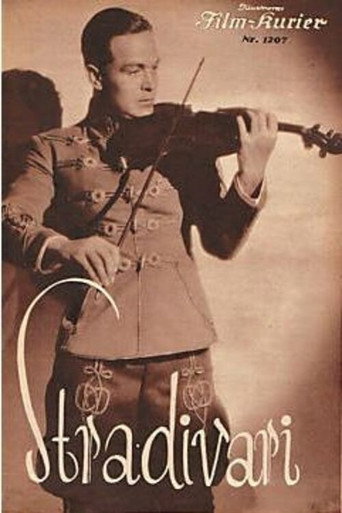
Stradivari
In 1914 a Hungarian officer inherits a Stradivarius which is believed to bring back luck to its owner. He and his Italian fiancée are separated by the First World War, and he is badly wounded.
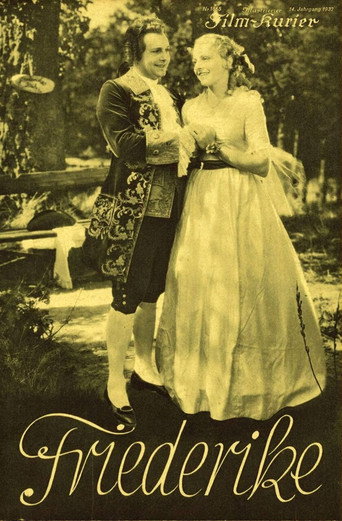
Frederica
Based on Franz Lehar's operetta, about the first woman whom the great German writer Goethe fell in love with.

The Red Rider
Production

Süss, the Jew
Nazi historical drama about Duke Karl Alexander of Württemberg and his treasurer Süß Oppenheimer.
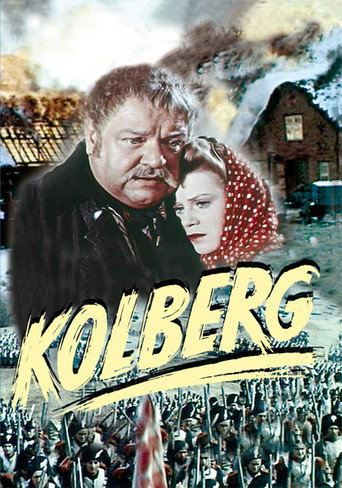
Kolberg
During Napoleon's victorious campaign in Germany, the city of Kolberg gets isolated from the retreating Prussian forces. The population of Kolberg refuses to capitulate and organizes the resistance against the French army, which immediately submits the city to massive bombardments.
Kolberg
During Napoleon's victorious campaign in Germany, the city of Kolberg gets isolated from the retreating Prussian forces. The population of Kolberg refuses to capitulate and organizes the resistance against the French army, which immediately submits the city to massive bombardments.
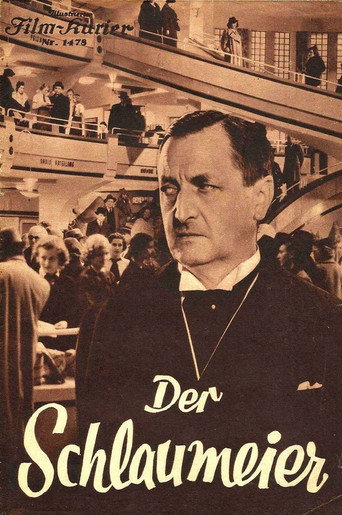
All for Veronica
Veronika, a saleswoman at the Tutzinger department store, is in love with Paul, who also works there as a salesman. During a weekend trip in the car, the colleagues grow closer, but Veronika also gets into serious trouble. To cover up a tear in her dress, she borrowed a valuable fur coat from the department store, which she intended to return on Monday. However, the theft is noticed, and Veronika has to justify herself to her boss, Tutzinger. When Paul arrives to defend Veronika, Tutzinger realizes that the two are in love—and makes sure that they can be happy together.
My Son the Minister
Sylvia has succeeded in making her son Robert a minister in the French Republic. His old servent, Gabriel, interrupts the young man during an "erotic" conference with the singer Betty. She's there, because her politically inappropriate songs is about to get her banned from the stage, which the minister would like to prevent. A fight breaks out between Robert and Gabriel and Sylvia, his mother, has to confess to Robert, that Gabriel is actually his father. When the minister once again misbehaves, this time at a ball, his servant and father Gabriel decides that the time has come to slap his son in everyone's presence. Robert is forced to resign and a journalist from the People's Front suggests Gabriel for the post of minister. - The film was classified after the end of the german third empire as a reservation film.

The Great Sacrifice
Äls, a young woman from Sweden living in Hamburg in the summer months attracts a newly married explorer, Albrecht Froben who has just returned to his native city. But although Äls seems to be 'life itself', she suffers from a tropical disease which is slowly killing her. Froben is torn between Äls and his wife Octavia, who he seen as a kind of 'heavenly' counterpart to the earthy and beguiling Äls.
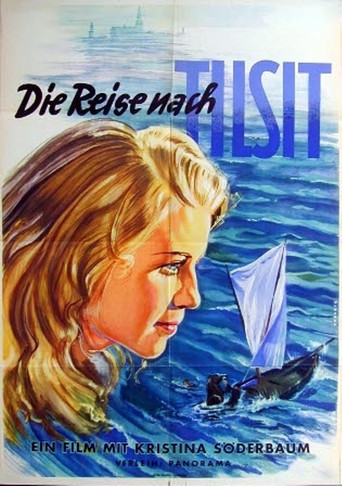
The Journey to Tilsit
A villager is tempted by a sophisticated city woman and almost kills his wife in a boating accident.
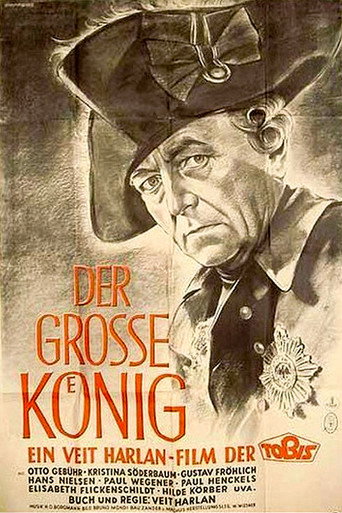
The Great King
King Frederick II (aka "Frederick the Great") of Prussia is engaged in a major battle against the Austrian army at Kunersdorf, and things aren't going well. The Austrians are inflicting major casualties, and his army is beginning to crumble. Defeat seems inevitable when a combination of events gives him hope that he may pull victory from the jaws of defeat after all.
The Great King
King Frederick II (aka "Frederick the Great") of Prussia is engaged in a major battle against the Austrian army at Kunersdorf, and things aren't going well. The Austrians are inflicting major casualties, and his army is beginning to crumble. Defeat seems inevitable when a combination of events gives him hope that he may pull victory from the jaws of defeat after all.

The Third Sex
Klaus is a young man in post-war Berlin. He is drawn to his friend Manfred and, under the encouragement of their acquaintance, Dr. Winkler, explore the underground world of gay clubs and electronic music. His family begins to learn of his other life and do everything they can to set him straight.
Gallery