Vasco Pimentel Movies, TV Shows, and Filmography
Vasco Pimentel
Sound
Biography
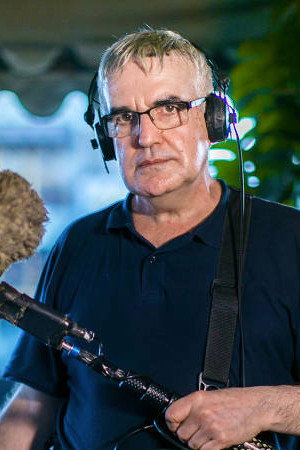
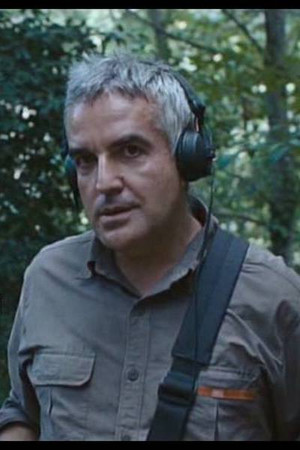
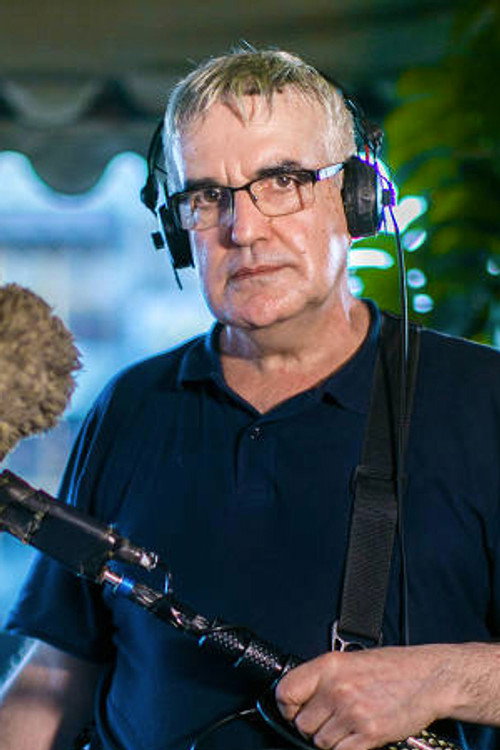
Vasco Pimentel is a renowned Portuguese sound engineer and sound designer. He studied music in the National Conservatory, and film at the National School of Theater and Cinema in Lisbon. His professional work spans from being sound designer and sound engineer in film and theater, filmmaker, music composer for theatre and feature length films, as well as visual artist. Since 1979, Vasco Pimentel has been active in more than 130 feature-length films and numerous documentaries and short-films. Some notable projects have been in collaboration with film directors such as Wim Wenders, Raul Ruiz, Werner Schroeter, Samuel Fuller, Vincent Gallo, Fred Kelemen, Robert Kramer, João Cesar Monteiro, Miguel Gomes, and Teresa Villaverde.
Filmography Movies
Acting
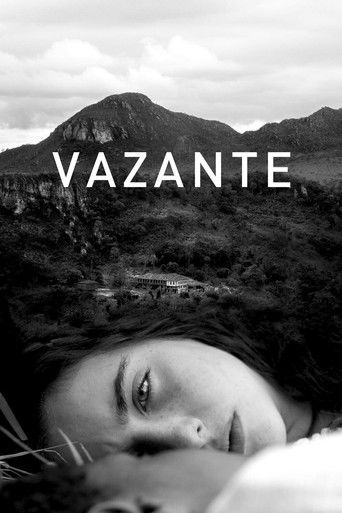
Vazante
Brazil 1821. Upon his return to the imposing farmhouse, Antonio, a rich cattle herder, finds out that his wife dies in labor. Forced to live in the property with numerous African slaves, he marries his wife's niece. A restless soul, he returns to droving, leaving his young wife behind alone with the slaves.
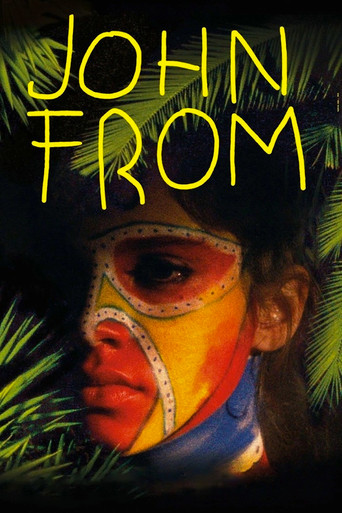
John From
Rita is fifteen and spends the summer between warm afternoons of teenage love and party nights with her friend Sara. From Portugal to the South Pacific, the pleasures of this routine will take a turn when the young girl visits the art show of a new neighbor in the local community.
Carnival: Looking for Paulo 'Miller'
A 2008 short made in accompaniment with Our Beloved Month of August, documenting Gomes's and his crew's hapless search, during 2007's carnival, for one of Arganil's most storied and elusive characters (who does, in fact, ultimately appear as an interviewee/player in the finished film). Paulo "Miller" is known for taking a dangerous jump into the Alva from a bridge each year during carnival, but what this film is about is, in keeping with the free-roving feature, much less the subject himself than Gomes and co.'s inability to pin him down; not only does he not do his famous jump during this year's carnival, but an ostensible technical/audio failure (as with the feature, it's very difficult to say how much of this film is "fact," how much invented) during Gomes's initial on-camera meeting with Paulo "Miller" leads to five minutes of lip-readers attempting to decipher their conversation.
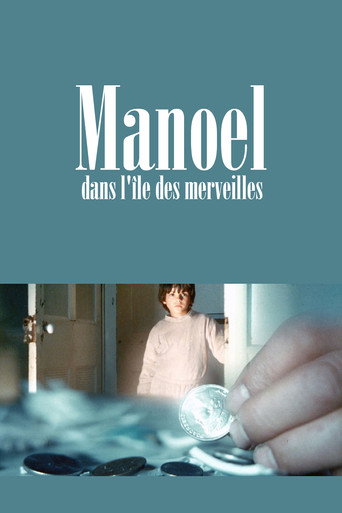
Manoel’s Destinies
When the child Manuel wanders into a garden that is off-limits to him, he meets an unidentified fisherman, and another boy -- the boy is actually himself several years down the road. Manuel experiences three different versions of his encounters in the garden, revealing that fate can have several twists and turns in one's life, depending on decisions that are made early on.
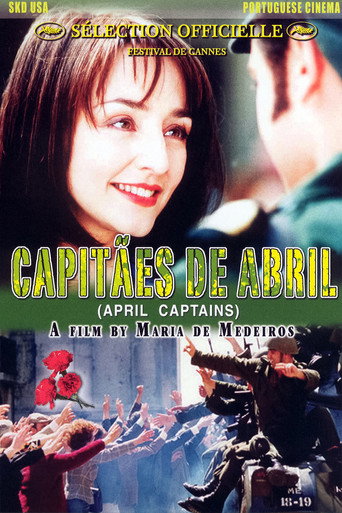
April Captains
Story of the 1974 coup that overthrew the right-wing Portuguese dictatorship--which continued the fascist policies of long-time dictator Antonio Salazar--and of two young army captains who were involved in it.
Acts of Cinema
Cinema and affections from life in images and what goes on outside the frame. 'Snapshots' of shootings and the present-day memory of directors, actors and technicians.
Tabu
Lisbon, Portugal, 2010. Pilar, a pious woman devoted to social causes, maintains a peculiar relationship with her neighbor Aurora, a temperamental old woman obsessed with gambling who lives tormented by a mysterious past.
Fado, Major and Minor
Pierre, a middle-aged tourist guide, is the victim of a sudden failure : he does not recognize anything about him any longer. He goes back home and in his apartment he finds a mysterious young man who tells him he is here to avenge a young woman who has taken her own life. What share of responsibility does Pierre hold in this situation?
The Jester
Set four years after the Portuguese revolution and the simultaneous loss of the Portuguese empire in Africa, the story concerns a director who sells guns to finance his play.
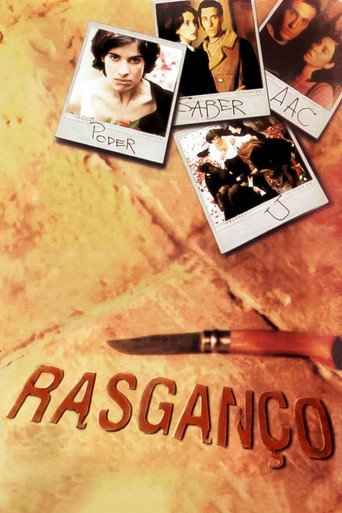
Rending
A philosophy-obsessed serial rapist stalks a university campus in broad daylight.
Production

Antártida
A rock star falls in love with a common pickpocket without any personal history. But soon she finds herself in a contraband of drugs and both try to escape it.
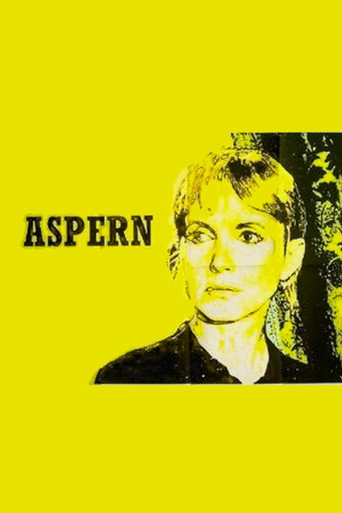
Aspern
A publisher seeks information on a writer who died long ago.
In Favour of Light
Portrait of Pedro Cabrita Reis, one of the most important artists of the young generation in Portugal as seen by one of the most famous woman director of her generation! Pedro Cabrita Reis has an important body that fills the screen with power. He creates spaces of huge dimensions where poetry rises. The documentary culminates with his participation in the last Venice Bienal with two gigantic light structures.

The Tsugua Diaries
Crista, Carloto and João are building an airy greenhouse for butterflies in the garden. The three of them share household routines, day after day… And they are not the only ones.
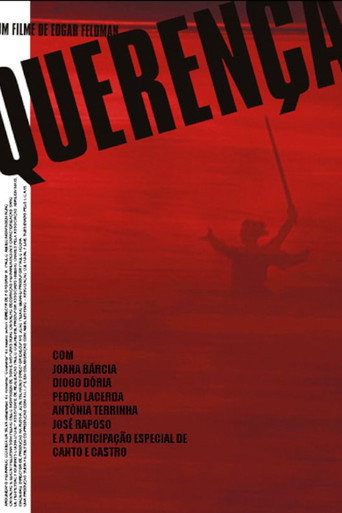
Querença
In mid-September 1992, journalist Guida Fontes have to go to Luanda to cover the elections in Angola. In the meantime, she had committed herself to discovering and interviewing the poet Júlio Vera. In 1988, he wrote a series of poems in which he mysteriously anticipated the fall of the USSR. Guida has only 12 days to complete the mission.
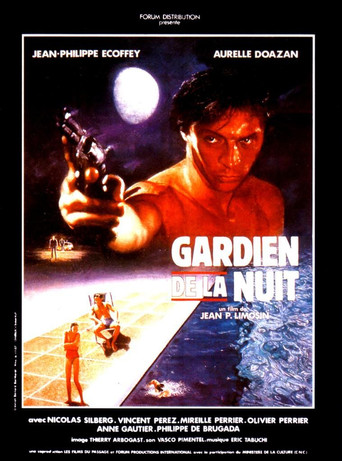
Guardian of the Night
With an off-beat sense of humor to match its erratic central character, this original comedy-drama features Jean-Philippe Ecoffey as Yves, a young man who works as a cop at night. The catch is that Yves turns to petty crime during the day, partly to impress Aurore (Aurelle Doazan), a nurse he idolizes from afar. His criminal hobby seems hard to understand, since it's doubtful that they will really get him anywhere with Aurore; besides, she already has a boyfriend. Nevertheless, Yves starts out by robbing a post office and ends up trying to run over Aurore's boyfriend, an act which finally gets him into serious trouble.

Coro dos Amantes
Chorus is film about death, absence and how close they are to us. Based on a theater play by Tiago Rodrigues.
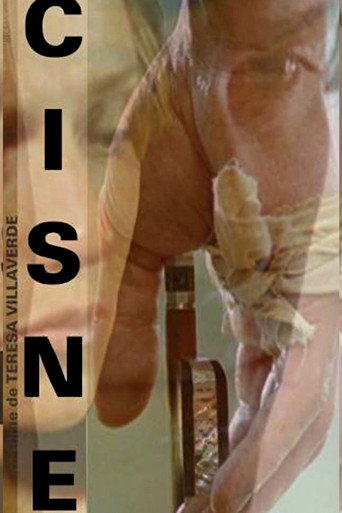
Cisne
Vera is a singer in her thirties; she is back in Lisbon for the final performance of her concert tour. The heat and beauty of Lisbon makes one want to be happy. Pablo, the companion she selected from among the many who answered her questionnaire, helps her through the sleepless nights. He has no family, but wishes he had. Vera concerns herself with the mysteries surrounding Pablo's life. Vera is not afraid of the night; she is not afraid of anything.

Lisboa Cultural
Seventeen experts on history and arts deliver brief lessons on their favorite subjects, considered the most relevant to cover nine hundred years of Portuguese culture. The camera shows from a distance, or in minute detail, the monuments or art pieces considered, or even the texts discussed by the narrators, reenacted on stage or recited by actors.

Alex
The story of a child who faces the emptiness that surrounds the figure of his parents, disappeared in Africa.
Gallery