Acting
No biography available.
A hundred years after the theft from New Zealand of three irreplaceable tribal carvings, two members of a Māori tribe decide it's time for ancient grievances to be put right. Variously praised as a major step forward in indigenous cinema, attacked for overambition, and little screened, Te Rua marked Barry Barclay’s impassioned follow-up to his acclaimed debut feature Ngāti.
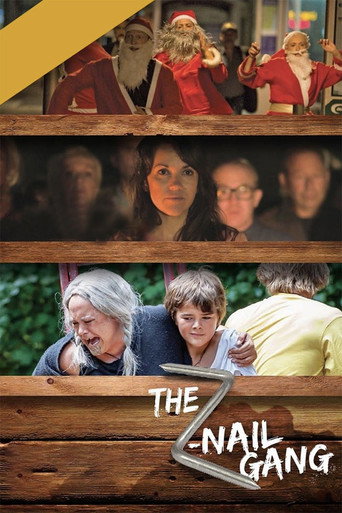
When a corporate mining giant moves into a small coastal town looking for gold and talking about trickle down wealth - some folk just aren't convinced.
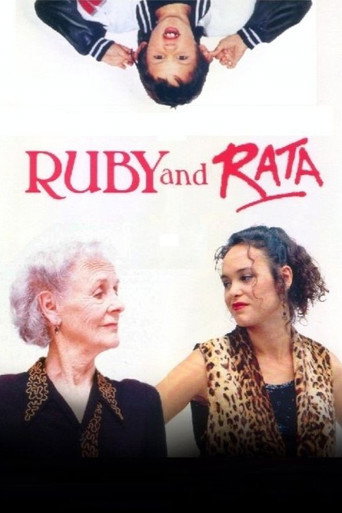
Ruby, an 83 year old trying to dodge a retirement home, rents a room to Rata, a solo mum with sidelines in music and benefit fraud. Rata's son is into arson and shoplifting, while Ruby's nephew is a hapless yuppie wannabe. Marginalised by the deregulated economy of the '80s and living on their wits, they may just find common cause despite themselves.
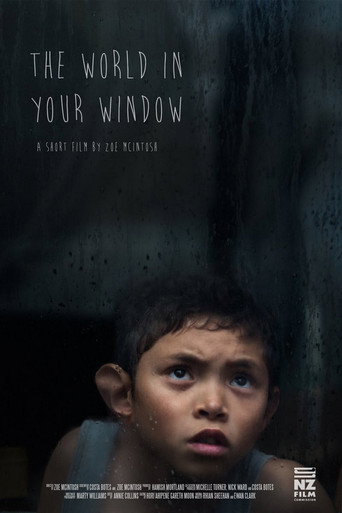
Eight-year-old Jesse lives in a twilight world of sadness and silence, squeezed into a tiny caravan with his grief stricken father. They're in limbo, existing more than living. The child intuitively understands that looking forward is harder than looking back, and that's where life happens. But they are stuck, until an accidental friendship with a V8 driving transsexual unlocks the means for Jesse to liberate his father and himself.
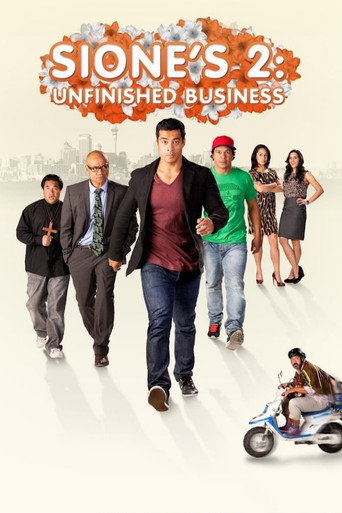
Fast-forward five years and things havent quite gone as the boys might have planned: Albert is now married to Tania and they are living in suburbia, both working in insurance and also trying (unsuccessfully) to have a baby; Sefa and Leilani are still together and now have two kids although despite Sefas proposal, theyre still not married. And while Sefas business is falling apart, Leilani seems to be living life to the full; Stanley is now a trainee Deacon in the Future Church; Michael has moved to Australia but the boys dont hear from him often; and Bolo has thrown in his job with Sefa and taken up work with Sione, Michaels younger brother.