Directing
No biography available.
The jaw-dropping story of Carl Beech, a former nurse from Gloucester who claimed he had been sexually abused by a group of prominent men in the 1970s and 80s.
"The story of Villa Road, a squatted street, during the heyday of squatting in the late 1970s, when all over the country people lived together in politicised communities. These squatters were on the left, and were part of a generation whose views were underwritten by Marxist ideology. They believed that the revolution was coming and the state would be overthrown."
News on Sunday was a left-wing tabloid that launched to great fanfare in 1987 and went bankrupt just eight weeks later. It was one of the boldest business ventures ever attempted by the far left and it was a disaster. A group who met through a tiny left-wing faction called Big Flame were convinced it was possible to market a left-wing mass-circulation newspaper. They were led by ex-Ford worker Alan Hayling (now head of BBC Documentaries) under the editorial leadership of John Pilger, who walked out before the paper had even launched.
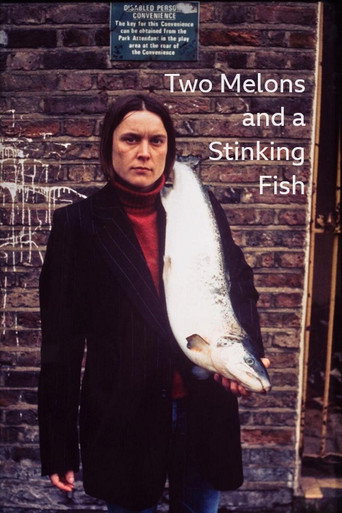
Intimate portrait of artist Sarah Lucas, whose witty and provocative work explores questions of identity and sexuality. With contributions from Angus Fairhurst and Damien Hirst.
Documentary about British Art in the 60's produced by the BBC starting with Fraser and Kasmin, moving to the modern sculpture movement lead by Caro largely at Central Saint Martins, and finishing with political and performance art in London.
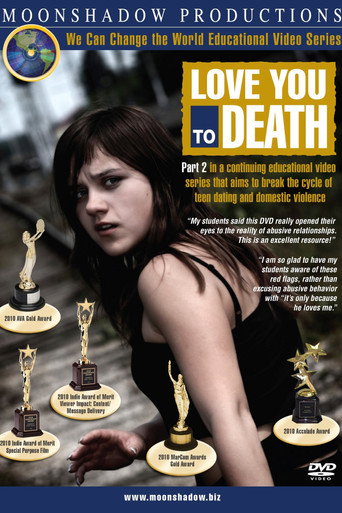
Documentary examining the violence inflicted by men on women every day, telling the stories of all the women who died at the hands of a male partner or ex-partner during one year.
In 2013, three women emerged from a flat in Brixton. They had been held there for decades by Aravindan Balakrishnan, a revolutionary Maoist who controlled the women with brainwashing techniques and tales of a sinister, world-controlling machine he called 'Jackie'.
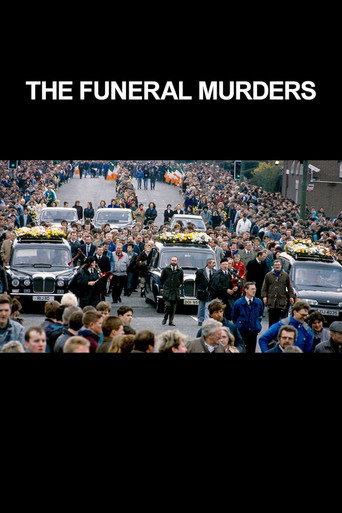
The Funeral Murders follows a dramatic and deadly series of events that took place at two funerals in Belfast in March 1988. Thirty years later, those who witnessed or were intimately connected to these events tell their stories. This film offers a range of perspectives - from republicans and loyalists to the security forces and family members of those who died, who share their moving stories for the first time.
This film charts the rise and fall of an extreme strain of feminism, which came out of Leeds in the late 1970s and early 80s. ‘Revolutionary Feminists’ castigated the mainstream of the women’s movement for being soft on men. They called on women to become ‘political lesbians’, believing that women would never be free until they withdrew from sexual relations with men.