Valery Kravchenko Movies, TV Shows, and Filmography
Valery Kravchenko
Acting
Biography
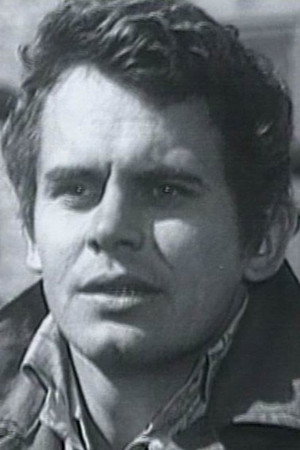
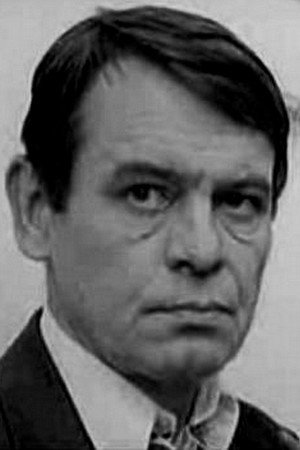
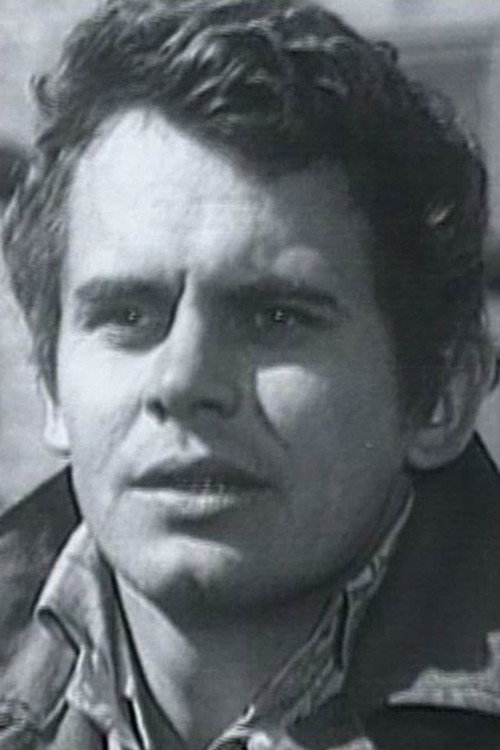
Valery Kravchenko was a Russian film and television actor.
Filmography Movies
Acting
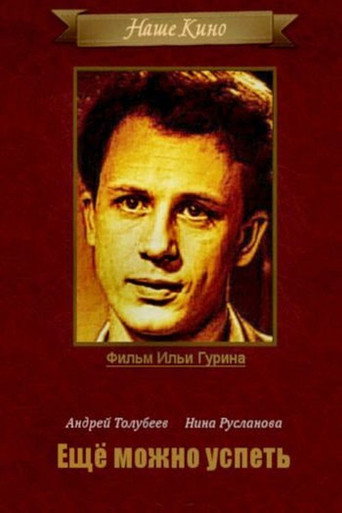
There's Still Time
The hero of the film, a Komsomol member of a large youth construction site, decides whether it is possible to sacrifice people's lives in the name of a great goal.
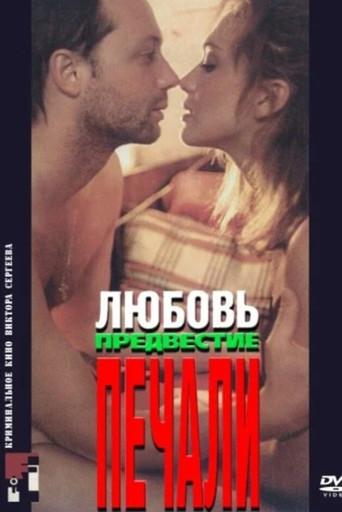
Love, the Harbinger of Sorrow
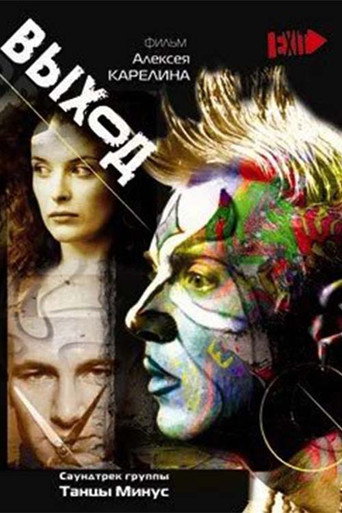
Exit
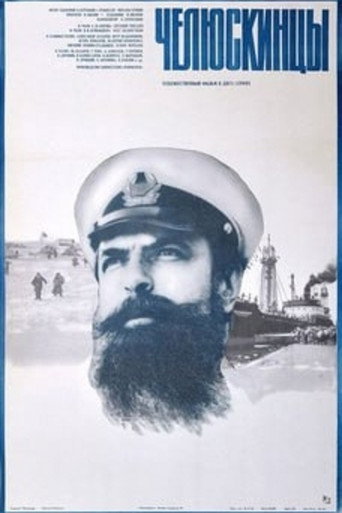
The Chelyuskinites
In February 1934, the steamship Chelyuskin was crushed by ice and sank in the Chukchi Sea. The ship's crew and members of the scientific expedition landed on a drifting ice floe, where they remained for two months. How did people live on the ice floe? How did they cope with loneliness and dispel dark thoughts? In addition to work, when the weather was good, they played soccer, volleyball, and town ball. They went on ski trips. They read. They managed to save four books: Pushkin's poems, Longfellow's "The Song of Hiawatha," Hamsun's "Pan," and the third volume of Sholokhov's "Quiet Don." We reminisced about our former lives, watched the northern lights, fought illness, dreamed, froze... In the evenings, we listened to a precious Marlene Dietrich record—we managed to save the gramophone, but only with two records. We published a wall newspaper called "We Will Not Surrender." They tried to be witty, played pranks. They created a choir...
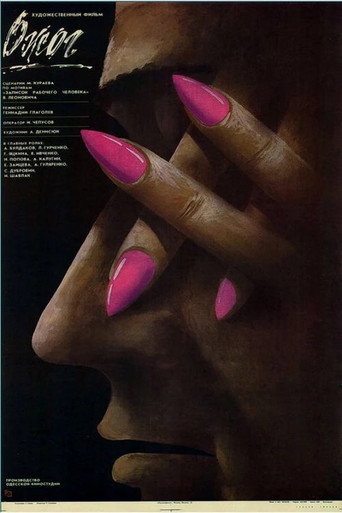
Burn
The protagonist of the film - Vasily Derzhakov - is a skilled worker. Accustomed to "double morality" as the norm of life, he succumbs to the persuasion of Anna's mistress to hide the stolen things, and becomes an accomplice in crime. After the pre-trial detention, Vasily is released from prison ... Thus, life itself warned him against further mistakes, to which the immoral "norms" of existence inevitably lead.
Russian Symphony
The protagonist finds out that some children were left behind in a sinking school, and is slowly driven mad as he tries to save them. A parable on the theme of the Last Judgment, numerous catastrophic events reveal a certain ambiguity in their origins, accompanied by the terrible suspicion that the things going on are some kind of a performance or theatrical production.
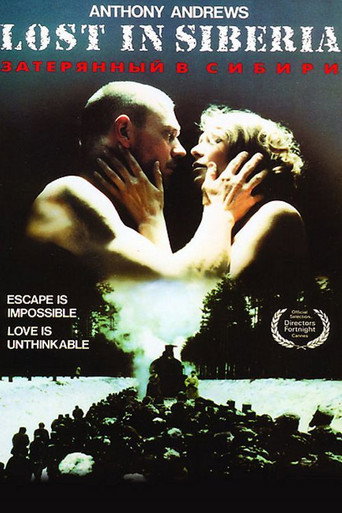
Lost in Siberia
The political drama is set in the Stalin's Soviet Union after the Second World War. A British archaeologist Andrei Miller is working in Iran. He is mistakenly kidnapped and arrested by the KGB. He is falsely accused of spying and wrongfully sentenced to a Gulag prison-camp in Siberia.
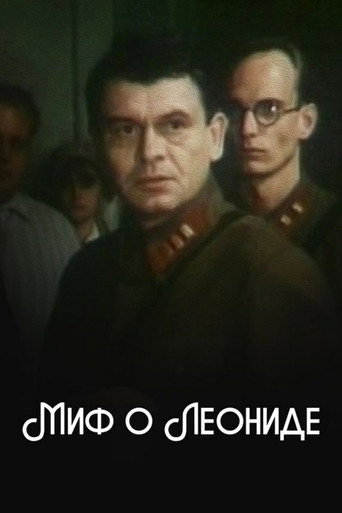
Myth About Leonid
A retro-journalistic drama based on one of the versions of Kirov’s murder, proposed by former NKVD general Orlov, who managed to escape death during the “purge” in the “Kirov” case.
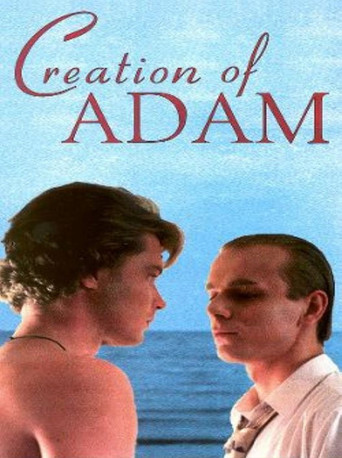
Creation of Adam
On the same day, Andrei's wife Nina asks for a divorce, his colleague Natasha tells him she's attracted to him, he's assigned a new project under the direction of Philip (a well-dressed, authoritative, and even arrogant stranger who keeps touching him), and he fights a gang of homophobes to protect a young gay man, Oleg. The next day, Philip takes Andrei away from the office on an odyssey into a space that is charged with spirituality and homoeroticism. Philip is no businessman, and the disclosure of who he really is forces Andrei into a series of choices that involve Natasha, Nina, belief, and love.
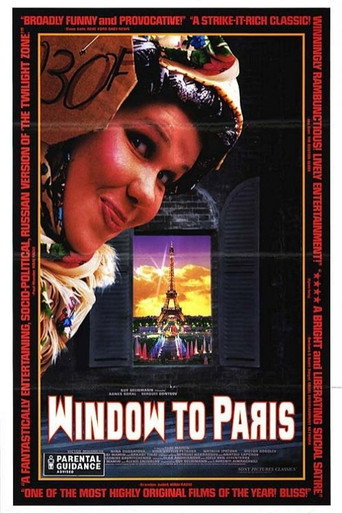
Window to Paris
Nikolai (played by Sergei Dontsov) has been fired from his job as a music teacher and has to live in the gym until he finds a place to stay. Finally, he gets a communal room in the apartment of Gorokhov (Victor Mikhalkov). The room's previous inhabitant, an old lady, has died a year ago, and yet her cat, Maxi, is still in the locked room, healthy and fat. Soon, Nikolai and his neighbours discover the mystery: there is a window to Paris in the room. That's when the comedy begins - will the Russians be able to cope with the temptation to profit from the discovery?
Gallery