Valentina Kuznetsova Movies, TV Shows, and Filmography
Valentina Kuznetsova
Directing
Biography
No biography available.
Filmography Movies
Acting
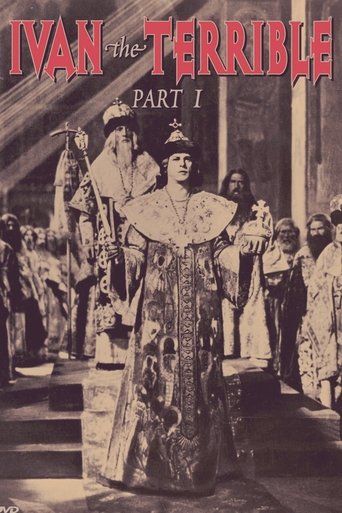
Ivan the Terrible, Part I
Set during the early part of his reign, Ivan faces betrayal from the aristocracy and even his closest friends as he seeks to unite the Russian people. Sergei Eisenstein's final film, this is the first part of a three-part biopic of Tsar Ivan IV of Russia, which was never completed due to the producer's dissatisfaction with Eisenstein's attempts to use forbidden experimental filming techniques and excessive cost overruns. The second part was completed but not released for a decade after Eisenstein's death and a change of heart in the USSR government toward his work; the third part was only in its earliest stage of filming when shooting was stopped altogether.
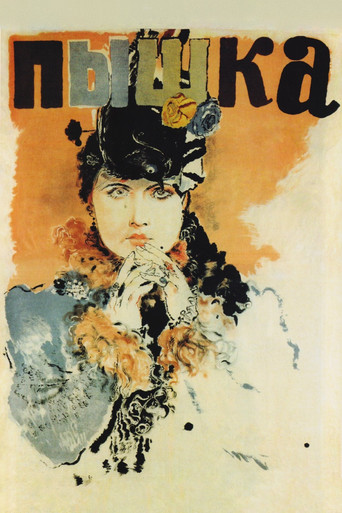
Boule de Suif
A film adaptation of the short story of the same name by Guy de Maupassant. The action takes place in the XIX century. Franco-Prussian War of 1870. A group of French bourgeois leaves in a stagecoach from Rouen occupied by Prussian troops. Along with them comes one attractive demimonde lady. The only way to get out is to persuade her, nicknamed "Ball-of-Fat" a la "Boule-de-Suif" to satisfy the lust of the head of the gendarmerie...
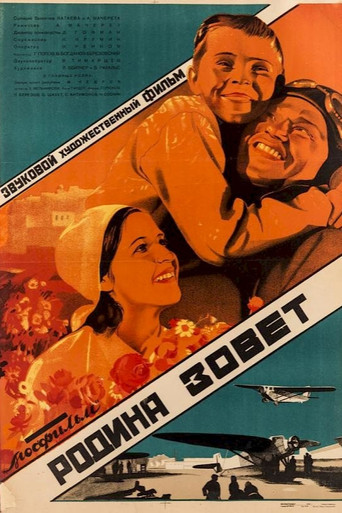
Call to Arms
This is a film from the series of so-called "defense" films, which presents a hypothetical "scenario" of a future war. The crew of test pilot Sergei Novikov makes a long non-stop flight on an airplane of a new design. Novikov's son, Yurka, a passionate inventor, manages to contact his father using a transmitter he designed himself. Just before landing Novikov felt bad - an old leg wound, received during the Civil War, had opened. But still the pilot managed to land the plane on the airfield of the aircraft factory. After an editorial article in the newspaper Pravda, the movie was removed from the screens.
Production
Boule de Suif
A film adaptation of the short story of the same name by Guy de Maupassant. The action takes place in the XIX century. Franco-Prussian War of 1870. A group of French bourgeois leaves in a stagecoach from Rouen occupied by Prussian troops. Along with them comes one attractive demimonde lady. The only way to get out is to persuade her, nicknamed "Ball-of-Fat" a la "Boule-de-Suif" to satisfy the lust of the head of the gendarmerie...
Call to Arms
This is a film from the series of so-called "defense" films, which presents a hypothetical "scenario" of a future war. The crew of test pilot Sergei Novikov makes a long non-stop flight on an airplane of a new design. Novikov's son, Yurka, a passionate inventor, manages to contact his father using a transmitter he designed himself. Just before landing Novikov felt bad - an old leg wound, received during the Civil War, had opened. But still the pilot managed to land the plane on the airfield of the aircraft factory. After an editorial article in the newspaper Pravda, the movie was removed from the screens.
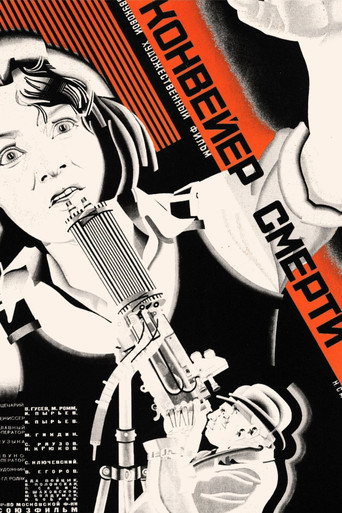
Conveyor of Death
The movie is set in the early 30s in a fictional capitalist country. The economic crisis throws three friends - young female workers - out on the street. Their dreams of a prosperous life are shattered, and each begins her own difficult journey.
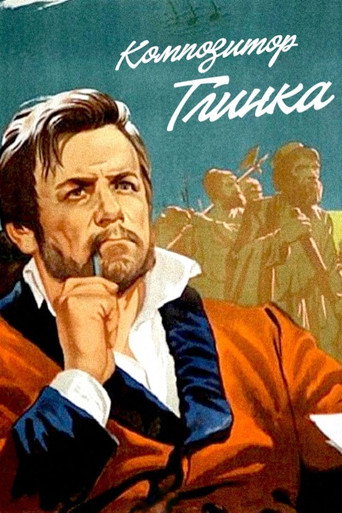
Man of Music
The young composer Mikhail Glinka performs his new work at a soiree at earl Vielgorsky's house. However, the public is accustomed to Western music, and reacts coldly to the creation of the composer. This makes him very sad, but soon he decides to go learn the art of music in Italy. After returning from Italy, he is full of desire to write national Russian opera. Vasily Zhukovsky proposes a subject: a feat of Ivan Susanin. Tsar Nicholas I change the name of the opera to A Life for the Tsar and assigns a librettist - Baron Rosen. Acquaintance with the future co-author shocked Glinka: Rosen speaks Russian with a noticeable German accent. The premiere was successful, but Glinka was still not entirely happy with the libretto: "False words were written by Rosen". When Nicholas I learned that Ruslan and Lyudmila was written on Pushkin's subject, he sees it as sedition. The bitter experience of the composer brighten his supporters.
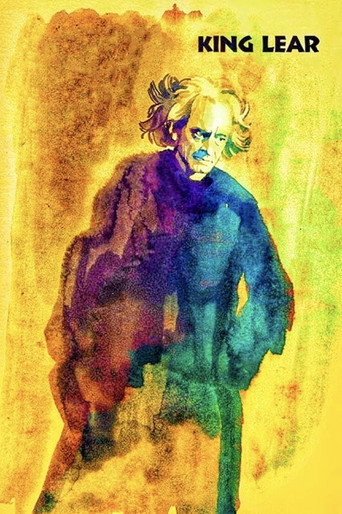
King Lear
King Lear, old and tired, divides his kingdom among his daughters, giving great importance to their protestations of love for him. When Cordelia, youngest and most honest, refuses to idly flatter the old man in return for favor, he banishes her and turns for support to his remaining daughters. But Goneril and Regan have no love for him and instead plot to take all his power from him. In a parallel, Lear's loyal courtier Gloucester favors his illegitimate son Edmund after being told lies about his faithful son Edgar. Madness and tragedy befall both ill-starred fathers.
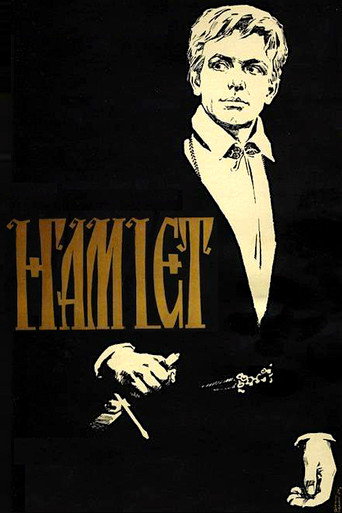
Hamlet
Shakespeare's 17th century masterpiece about the "Melancholy Dane" was given one of its best screen treatments by Soviet director Grigori Kozintsev. Kozintsev's Elsinore was a real castle in Estonia, utilized metaphorically as the "stone prison" of the mind wherein Hamlet must confine himself in order to avenge his father's death. Hamlet himself is portrayed (by Innokenti Smoktunovsky) as the sole sensitive intellectual in a world made up of debauchers and revellers. Several of Kozintsev directorial choices seem deliberately calculated to inflame the purists: Hamlet's delivers his "To be or not to be" soliloquy with his back to the camera, allowing the audience to fill in its own interpretations.
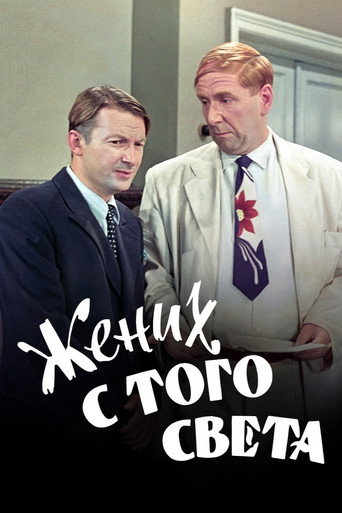
A Groom from the Right Society
Semyon Danilovich Petukhov was very surprised to found upon returning from vacation that he was declared dead and... buried.
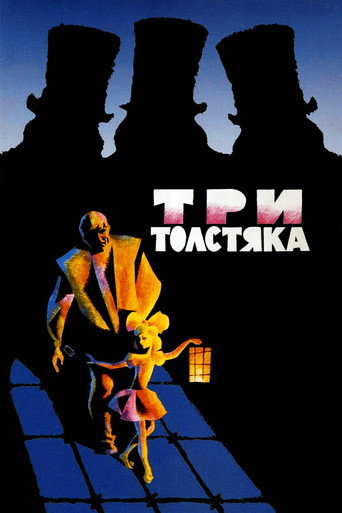
Three Fat Men
Based on a famous fairytale by Yuri Olesha. A fairy tale film about the clever tightrope walker Tibule, who fights alongside the armorer Prospero and all the working people against the tyrants, the three Fat Men, who rule the state until the young heir Tutti comes of age. The freedom fighters are aided by the kind Dr. Gaspar and the brave acrobat girl Suok, who has to pretend to be a doll to sneak into the palace and free Prospero.
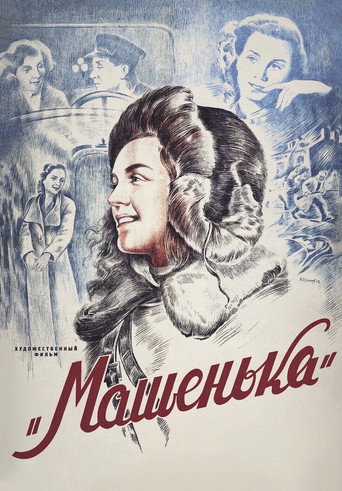
Mashenka
Lovely telegraph operator Masha Stepanova is a sanitary nurse. During a training alarm, she meets a taxi driver Alexei (Alyosha) Solovyov. He reads verses to a girl and invites her to the theater. But at the appointed time, Alyosha doesn't come, and Mashenka finds him, helps to recover. Young people fell in love with each other, but Alexei was too frivolous, and brings the girl a lot of sorrows and insults. Because of Alexei’s hobby for another girl, Masha breaks up with him. But she will be able to convey her faithful and true-hearted feeling through years of separation and the hardships of wartime, and when they meet again at the front of the Finnish War, Solovyov realizes what a gift of fate was meeting him with this girl.
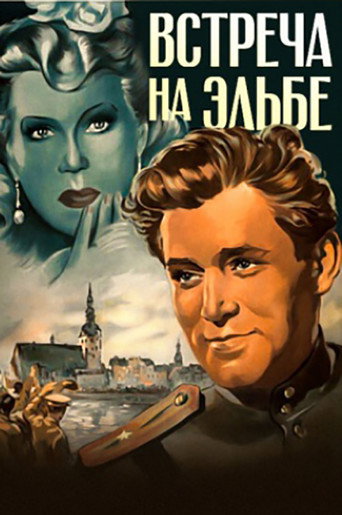
Meeting on the Elbe
Soviet and American soldiers are meeting on the shores of the Elbe river in Germany in 1945.