Acting
Éva Igó is a Hungarian stage, film and television actress and singer.
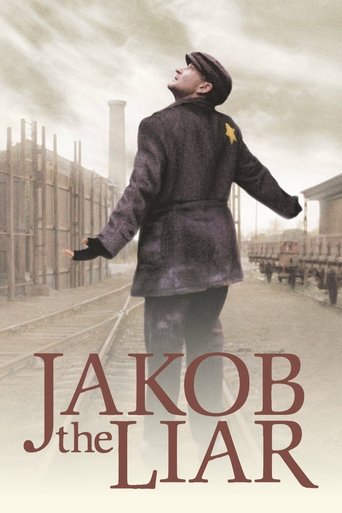
In 1944 Poland, a Jewish shop keeper named Jakob is summoned to ghetto headquarters after being caught out after curfew. While waiting for the German Kommondant, Jakob overhears a German radio broadcast about Russian troop movements. Returned to the ghetto, the shopkeeper shares his information with a friend and then rumors fly that there is a secret radio within the ghetto.
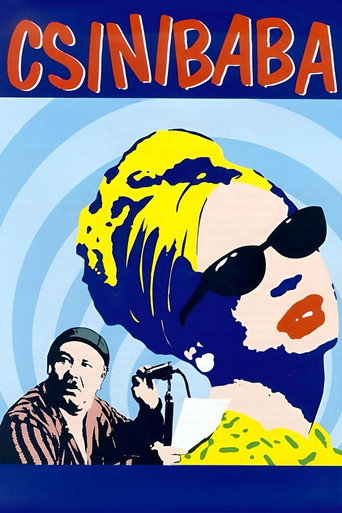
The movie is set in the actual "Ki Mit Tud?" talent contest in 1962. In reality the contest in dance music category was won by an army brass band. "Omega" which later became one of the most successful Hungarian rock bands came out in the second place.
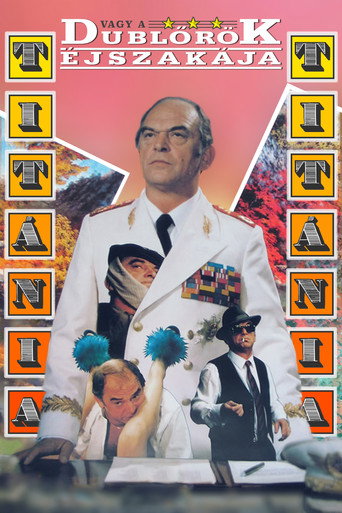
Never miss a satire if you'd like to have a wider view of the 60's or 70's (and maybe the 80's) Eastern Europe. Both the regime and behavior of people are pilloried, with many-many hints that show deeper details of the correlation of the two. And the creators didn't miss to have some words about the West and it's part of this history. But don't sit down to see the film if you'd like to have a light funny evening movie, 'cause that will lash up your feelings alright. The director is that same Peter Bacso, who directed the legendary satire 'A tanu' (The witness) which deals with the same historical era, the same relations between politics and the people, just from a little different point of view.
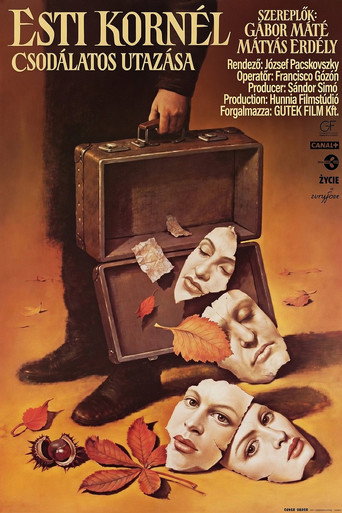
Middle-aged writer (Kornél Esti) travels to Germany to deliver a lecture. During the long journey he recalls the memories of an other journey he made thirty years ago.
The boy may be thirteen or fourteen years old. His parents divorced or lost each other somewhere in time. The boy stayed with his mother, who knows why. The days pass the same for both of them. Silent togetherness...
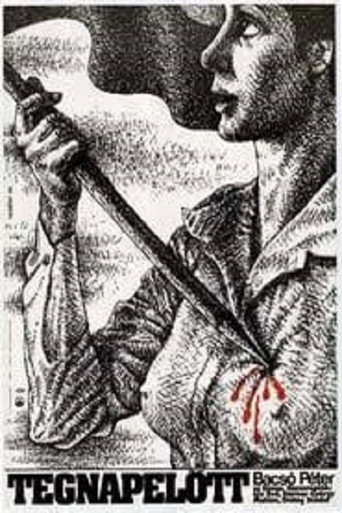
In 1947 Hungary, Dorottya is expelled from school for possessing Communist literature and joins a party cell to remain near her lover, only to fall for and marry the group’s leader. After the Communist takeover, her husband vanishes in a political purge, leaving her to suspect her former lover played a role in his disappearance. Now a disillusioned factory cleaner, she is forced to confront her past and face a bleak future alone under the rising Stalinist regime.
This time the story is about car theft. Cars stolen in the same way will never be found again. They disappear like camphor. This time, Twitchy, Dr. Kardos, Havilúd and the others are working on solving this case.
The fate of a Hungarian Jewish family throughout the 20th century.
Political and sexual repression in Hungary, just after the revolution of 1956. Passionate and determined, Eva gets a job as a journalist. There, she meets Livia and is attracted to her. Livia feels much the same, but as a married woman, has doubts and hesitations. In their work, they (and Eva in particular) bang up against the limits of telling political truths; in private, they confront the limits of living out sexual and emotional truth.