Věra Chytilová Movies, TV Shows, and Filmography
Věra Chytilová
Directing
Biography
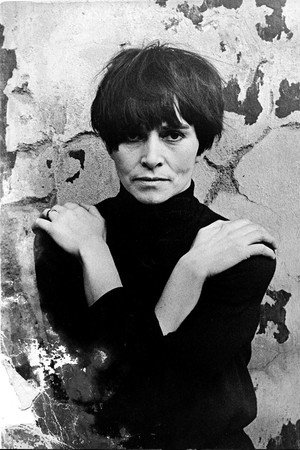
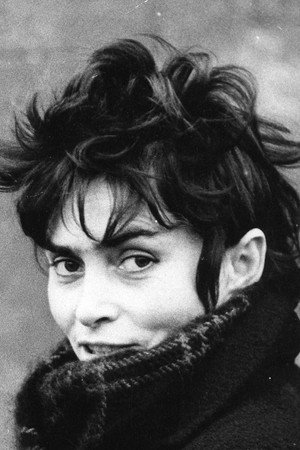
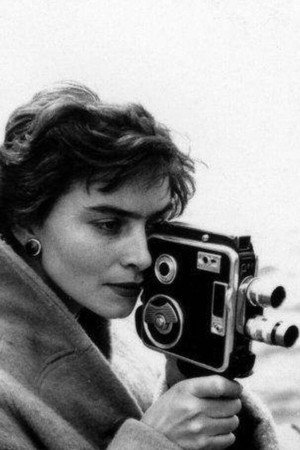
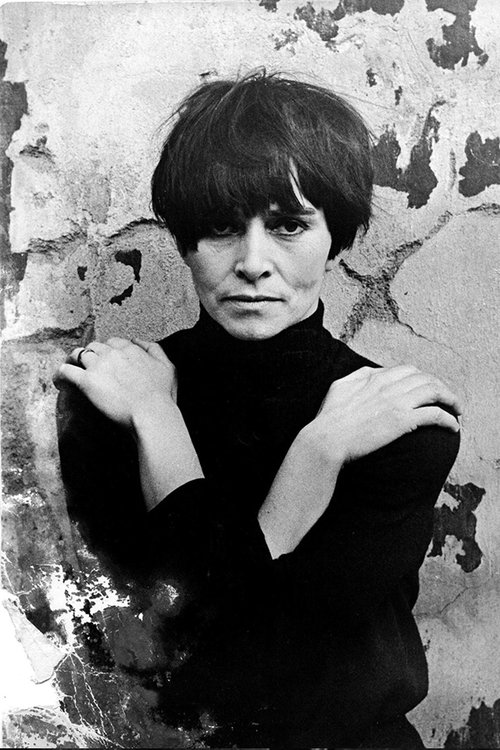
Věra Chytilová (February 2, 1929 – March 12, 2014) was an avant-garde Czech film director and pioneer of Czech cinema. At the age of 28 she was accepted into the Film and TV School of the Academy of Performing Arts in Prague (FAMU). While attending FAMU she studied underneath renowned film director Otakar Vavra, graduating in 1962. Chytilová is best known for her once highly controversial film Sedmikrásky (Daisies) – (1966). Daisies is known for its un-sympathetic characters, lack of a continuous narrative and abrupt visual style. Chytilová states that she structured Daisies to “restrict [the spectator’s] feeling of involvement and lead him to an understanding of the underlying idea or philosophy”. The film was banned within Czechoslovakia upon its initial release in 1966 until 1967, but in 1966 the film won the Grand Prix at the Bergamo Film Festival in Italy. After Daisies the government made it very difficult for Chytilová to find work within Czechoslovakia, even though she was never officially classified as a 'blacklisted' director. After the Soviet Union invasion in 1968 it was virtually impossible for her to find work and she resorted to directing commercials under her husband’s name, Jaroslav Kučera. In 1976, due to the low cinema attendance she was approached by the government to begin directing films through a state-run production company. At the same time the United States was assembling a 'Year of Women' Film Festival and contacted Chytilová to gain permission to screen Daisies as their opening film. She informed the festival that the only non-censored prints of the film could be found in Paris and Brussels, and that her government would not allow her to attend the festival, nor were they allowing her to direct films. The festival then began to apply international pressure upon the Czechoslovakian government by petitioning on Chytilová’s behalf. In accordance with this international pressure Chytilová wrote a letter directly to President Gustáv Husák. Due to the success of the international pressure, and Chytilová’s personal appeal to President Husak, Chytilová began production of Hra o jablko (The Apple Game, 1976). The Apple Game was completed and then was screened at the Karlovy Vary International Film Festival, and won the Silver Hugo and the Chicago International Film Festival. Chytilová described herself as a control freak and was known as being actively critical of the Soviet Union, stating that “My critique is in the context of the moral principles you preach, isn’t it? A critical reflection is necessary”. She would routinely cause havoc to make films that were loyal to her vision regardless of the heavy censorship that was routinely imposed. Věra Chytilová’s last film was released in 2006, and she has taught directing at FAMU. Chytilová embodied a unique cinematographic language and style that does not rely on any literary or verbal conventions, but rather utilizes various forms of visual manipulations to create meaning within her films. Chytilová used observations of everyday life in accordance with allegories and surreal contexts to create a personalized film style that is greatly influenced by the French New Wave, and Italian neorealism.
Filmography Movies
Acting
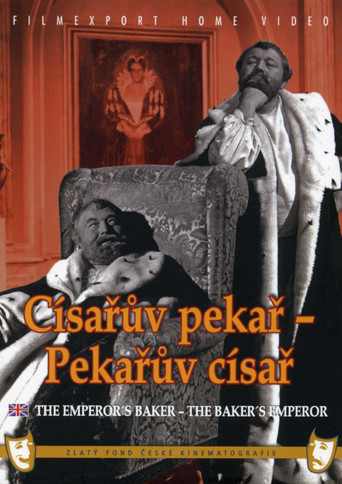
The Emperor and the Golem
The Emperor's mismanagement of his country is provoking some in his court to plot to overthrow him. He feels successful, at least, when he discovers the legendary Golem, which he believes can protect him and even cure his imaginary illnesses but, when he disappears while on a bender, his kindly baker, who looks just like him, is mistaken for him, and begins to put things in order. However, the conspirators, not to be outdone, determine to bring the Golem back to life to do their bidding.
Green Street
A look at an over-loaded freight train departing from Prague.
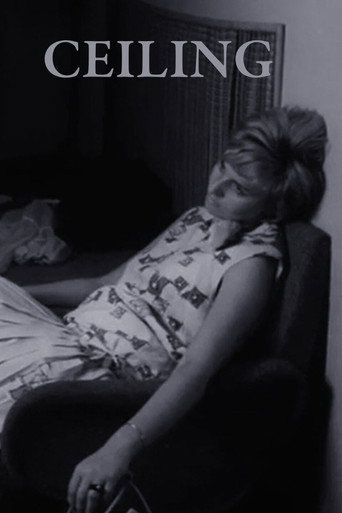
Ceiling
The young Marta has made a break in her medical education to fully invest in her career as a model. We follow her for a day in her life, almost completely without hearing her voice. It is seldom that Marta gets the space to speak, instead she is mostly subject to the voice of others.
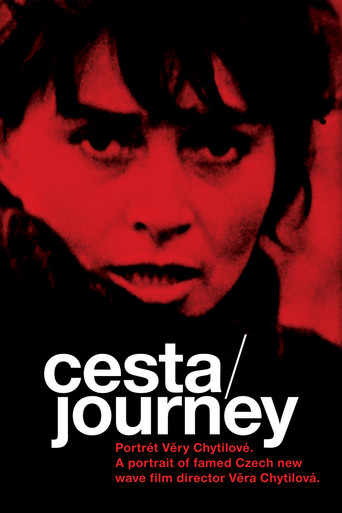
Journey: Portrait of Věra Chytilová
Documentary about Czech filmaker Vera Chytilova.

Pravda
Filmed clandestinely in Czechoslovakia on 16mm. It's one of the films Godard made with the Groupe Dziga Vertov - a Marxist film about the political situation after the '68 revolution.
Naughty Young People: Chytilová, Kučera, Krumbachová
Documentary about the making of Vera Chytilová's film DAISIES
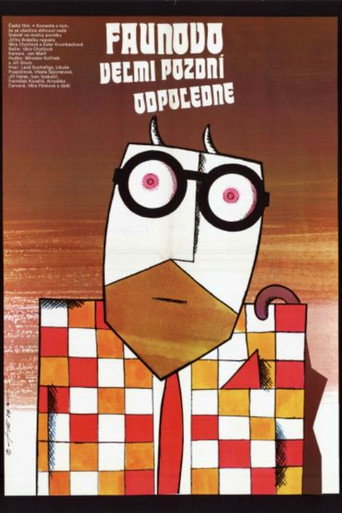
The Very Late Afternoon of a Faun
A bachelor named Faun with a Don Juan complex, seized with a hypochondriac's fear of the ineluctable approach of death, enters a race against time's passage. Faun's sexual love is imbued with the narcissistic vanity of a self-satisfied bacchant who even towards old age can't manage to forgo his lifelong pose as an irresistable seducer of women. He desperately searches for meaning in superficial, fleeting sex.
An Occasion to Speak
Documentary about the film academy in Prague and the Czech Film in 1965.
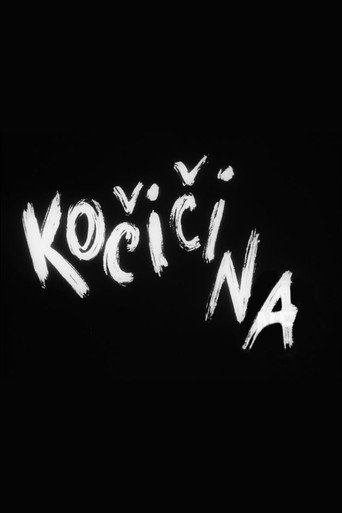
Caterwauling
In a rare instance of literary adaptation, Chytilová was inspired by Franz Kafka’s writings. Mr. K stashes stolen jewelry away at home and seldom allows his wife to wear it. A nosy neighbour, Mr. B, drops in. A cat observes it all.
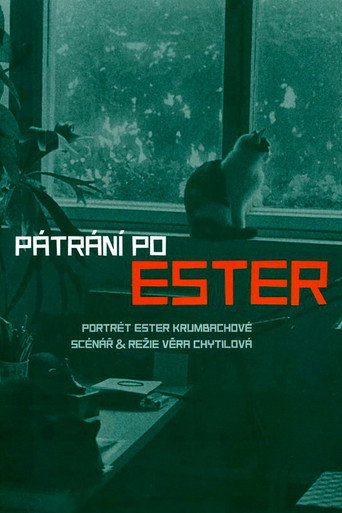
Searching for Ester
Ester Krumbachová - a costume designer, screenwriter, director; one of the boldest personalities of the Czech New Wave. She worked in theatre, she was a writer and an illustrator. She co-created films such as O slavnosti a hostech (1966), Sedmikrásky (1966), Vsichni dobrí rodáci (1969), Pension pro svobodné pány (1968), Valerie a týden divu (1970), Slamený klobouk (1972) and many others. In the 1960s, she was a 'pivot' of the art scene in Prague, attracting artists who were on the threshold of their career, just setting out to find their own form of self-realization. Those who underwent her tutelage remember her forever. Director Vera Chytilová talks to those who knew Ester Krumbachová, who worked with her, befriended her, loved her. She sets off on a search that is to end by answering the question: Who was Ester?
Production
Ceiling
The young Marta has made a break in her medical education to fully invest in her career as a model. We follow her for a day in her life, almost completely without hearing her voice. It is seldom that Marta gets the space to speak, instead she is mostly subject to the voice of others.
Ceiling
The young Marta has made a break in her medical education to fully invest in her career as a model. We follow her for a day in her life, almost completely without hearing her voice. It is seldom that Marta gets the space to speak, instead she is mostly subject to the voice of others.
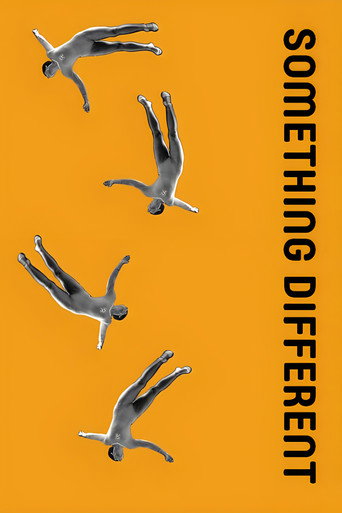
Something Different
In her first feature, Věra Chytilová uses a combination of documentary and fiction film techniques to tell two stories in counterpoint. The first follows Olympic champion gymnast Eva Bosáková, who contemplates retirement as she undergoes a gruelling training schedule; the second, a housewife who is unappreciated and ignored by her husband.
Something Different
In her first feature, Věra Chytilová uses a combination of documentary and fiction film techniques to tell two stories in counterpoint. The first follows Olympic champion gymnast Eva Bosáková, who contemplates retirement as she undergoes a gruelling training schedule; the second, a housewife who is unappreciated and ignored by her husband.
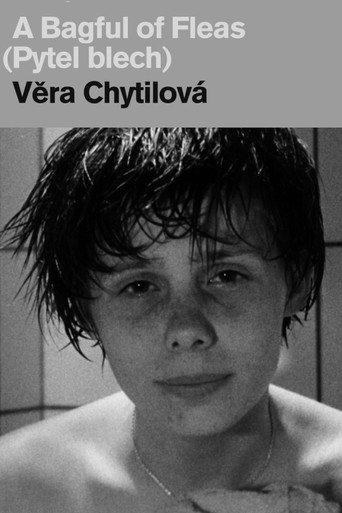
A Bagful of Fleas
The themes of anarchy and individualism that run through Věra Chytilová’s work begin here, in an almost docu-realist look at women finding freedom and joy amid the rigid conformity of life in a communal factory dormitory.
A Bagful of Fleas
The themes of anarchy and individualism that run through Věra Chytilová’s work begin here, in an almost docu-realist look at women finding freedom and joy amid the rigid conformity of life in a communal factory dormitory.
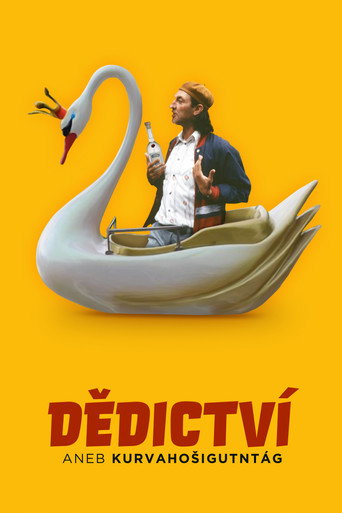
The Inheritance or Fuckoffguysgoodday
Bohus is indolent and spends his days drinking brandy. One day he finds he has inherited a brickworks, several shops and a five-star hotel. Bohus sets out to tour his new empire, insulting everyone on the way.
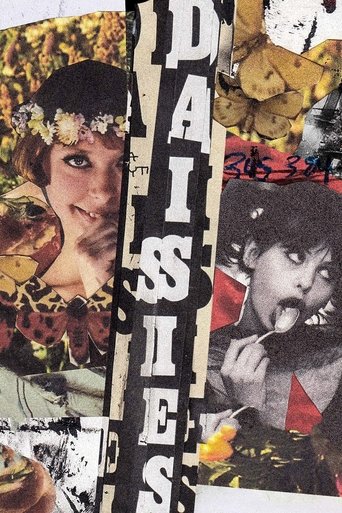
Daisies
Two teenage girls embark on a series of destructive pranks in which they consume and destroy the world around them.
Daisies
Two teenage girls embark on a series of destructive pranks in which they consume and destroy the world around them.
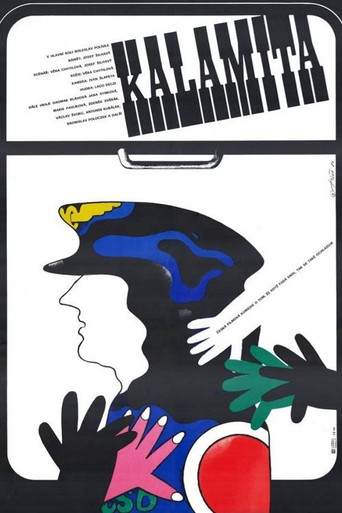
Calamity
Funny banter about love, sex, social status, and other ideals, while a new railway employee is trained and sent on his first run as driver.
Gallery