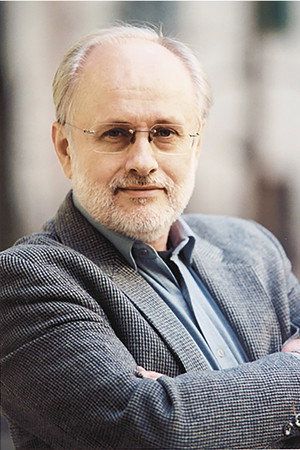
Václav Knop Movies, TV Shows, and Filmography
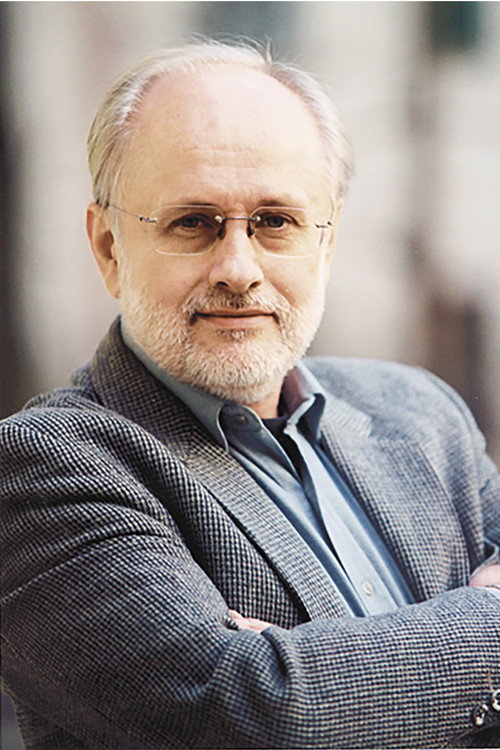
Václav Knop
Acting
Biography
No biography available.
Filmography Movies
Acting
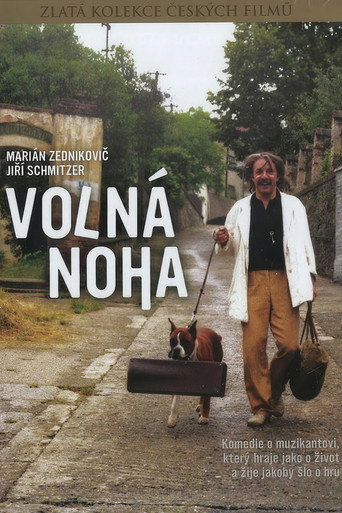
Freelancing
Jazz musician and trumpeter Beno is originally Slovak, but has been living in Prague for a long time. As a true bohemian, he does not recognize any limitations in his personal or artistic life. He is devoted to jazz with body and soul and despises any form of pop music. That is why he rejects the lucrative offers of his girlfriend, the successful singer Gábina. He also successfully faces the pressure of his much younger girlfriend-to-be and her defiant mother. Beno often has to pay for his tricks, but he accepts this with open eyes. Beno is ably supported by his friend, saxophonist Emil, known as Rampouch.
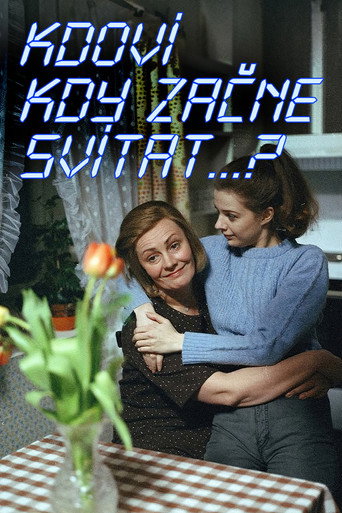
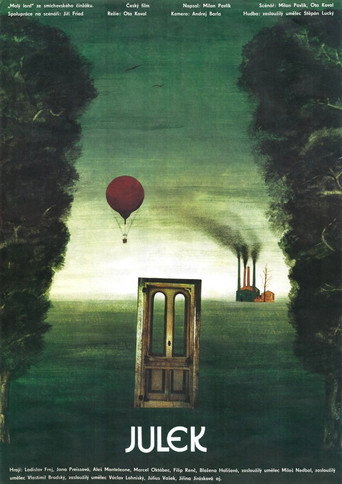
Julek
The future communist journalist Julius Fučík had a stimulating childhood and youth in a working-class environment, when his moral maturity was already showing. The authors of the film recall that the young Julek was a star of the suburban operetta scene, and in three episodes they depict him both in his early childhood and already at the gymnasium, when the outbreak of the World War shaped his determination.
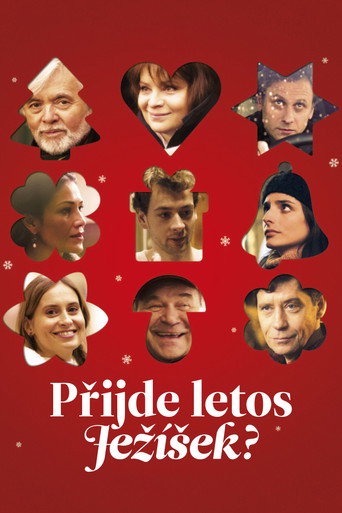
Little Baby Jesus
Charming 60-something José returns to Prague after 30 years living in Mexico, though he was convinced that he would never see his hometown again. He was persuaded by his deeply religious Mexican wife Dolores, who is convinced that only a miracle that might be fulfilled by Prague’s famous Infant Jesus can help their daughter Penelopé get pregnant. And the ideal time for this is Christmas. And when Ruda, his friend from Prague, also insists, José agrees to return to the places he used to know and to the memories that they bring back – including his former Prague love. And it becomes evident that the Infant Jesus is not the only one capable of making miracles come true in Prague. Penelopé’s longed-for conception is definitely not the only one…
Právo na minulosť
In the late 1980s, several films were made that wanted to come to terms with the crimes of Stalinism, but they did so with a very alibi - they basically communicate that it is enough to remove the erroneous deviation of the communist regime for this social system to become fully humane again. This also applies to the immediate post-war fates of former front-line fighters - one fought in the Soviet Red Army, another in the English Air Force, another was a soldier in the Slovak Army. The difficult character check will only be completed by the 20th Congress of Soviet Communists, which condemned recent blunders. The film was made based on a proposal by former Foreign Minister Bohuslav Chňoupek.
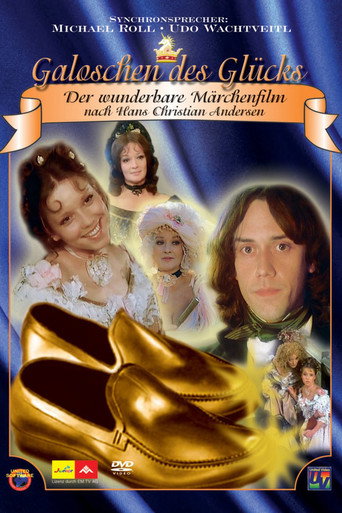
The Galoshes of Happiness
The Slippers of Happiness is another film made by the Slovak Film Production in co-production with West German companies based on classic world fairy tales. After Slovak folk tales [The Greatest Peck in the World, Salt Over Gold] and the works of German fairy tale writers Wilhelm Hauff [The False Prince] and the Brothers Grimm [The Land of the Thrush's Beard, Perinbaba], screenwriter Alex Koenigsmark and director Juraj Herz were inspired by the famous fairy tale by Hans Christian Andersen. It tells the story of slippers that the Fairy of Fortune enchanted so that they would fulfill every human wish and thus bring people happiness. The filmmakers humorously transferred the plot from Copenhagen to old Prague.
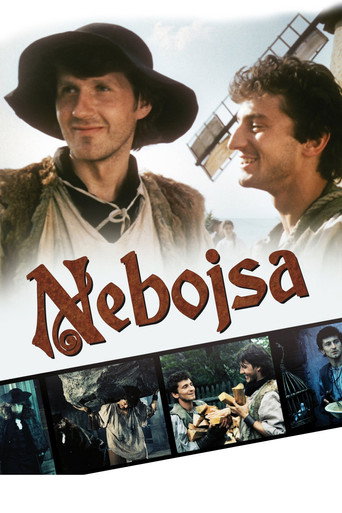
Don't Be Afraid
Woodcutter Ondra, who for his bold nature is called Nebojsa. He goes into the world to learn fear. During his journey, on which he is accompanied by a cowardly thief Ferka, he can deal with a bunch of bandits, vicious mill, fiery rock and eventually he must confront the evil wizard who swore a beautiful princess. Will Ondra do all his courage and ingenuity to liberate Princess?
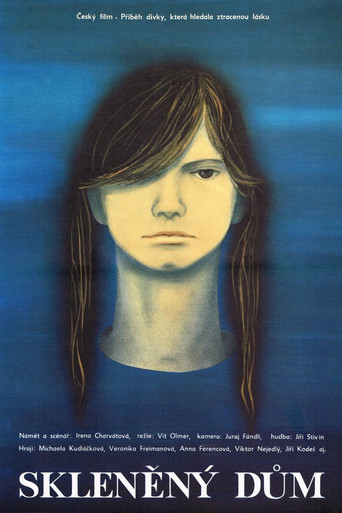
The Glass House
A story about a life of a group of children in the foster home.
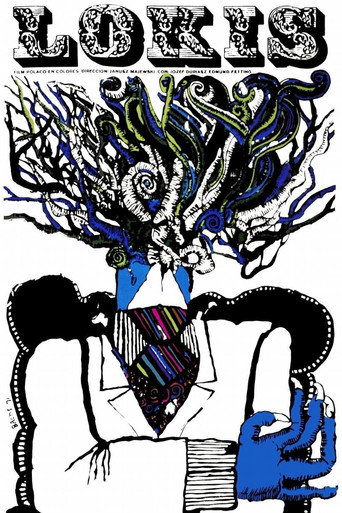
Lokis
After arriving at the mysterious castle, the university professor begins to encounter a sequence of mysterious events, to which he reacts with his rational thinking and tries to explain them logically.
Gallery