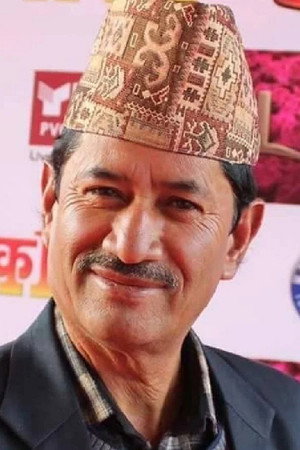
Uttam K.C. Movies, TV Shows, and Filmography
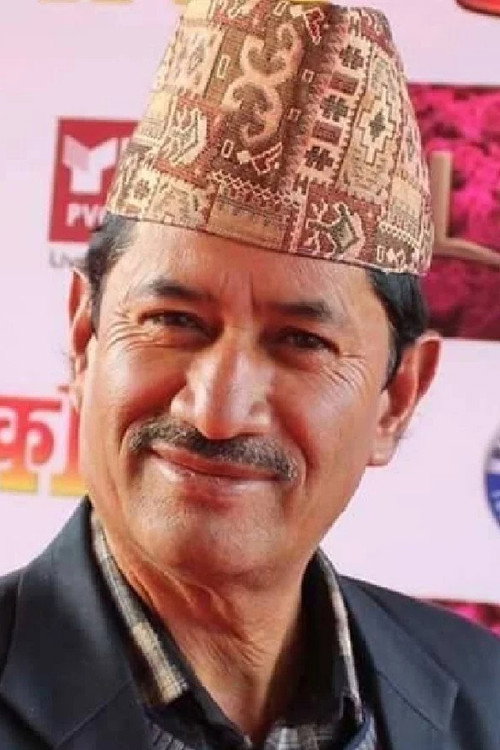
Uttam K.C.
Acting
Biography
Uttam K.C. is a respected veteran actor and comedian in the Nepali entertainment industry, widely known for his distinct comedic timing and character roles. Over a career spanning several decades, he has appeared in numerous classic and contemporary Nepali films, as well as popular television sitcoms. He is particularly recognized for his contributions to the golden era of Nepali cinema, often playing supporting roles that provide humor or emotional depth. In addition to his film work, he has been a frequent performer in the Gaijatra comedy festivals and various stage shows, earning him a place as a household name among fans of traditional Nepali comedy.
Filmography Movies
Acting
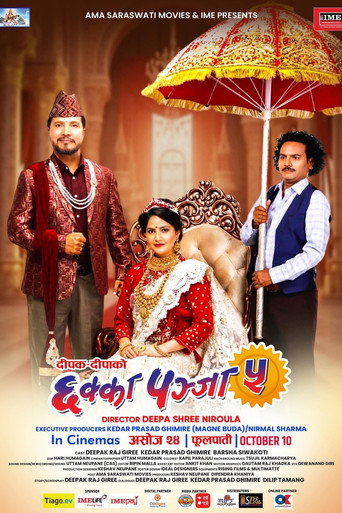
Chhakka Panja 5
The king is happily living in his country with his family. The ups and downs in his marital life will increase and he will have to leave the country. He will not give his dreams to his desires. He is ready to go abroad. On the other hand, when he tries to find happiness, the emotional boundaries between him and his relatives stop, which makes him hurt. What will the King decide next?
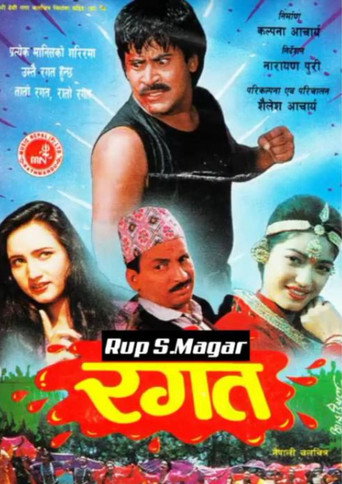
Ragat
Ragat (Blood) is a powerful Nepali film that highlights caste discrimination and social injustice. The story follows Krishna, a young man from a lower-caste family, who bravely fights against the oppression of the rich and upper-caste elites. Hemant Kaji, a wealthy and influential man, strongly believes in caste superiority and looks down on the poor. Amidst this division, Laxmi, a girl from a rich family, falls in love with Gopal, a lower-caste boy. Defying societal norms and family pressure, they marry against their parents' wishes, challenging the rigid caste system. Their love becomes a symbol of change, but their struggle is met with resistance. In the end, Radha, Laxmi's caring aunt, tragically loses her life, leaving behind a message that all human blood is the same-hot and red. Directed with a strong social message, Ragat questions why caste discrimination still exists in Nepali culture and calls for equality and justice.
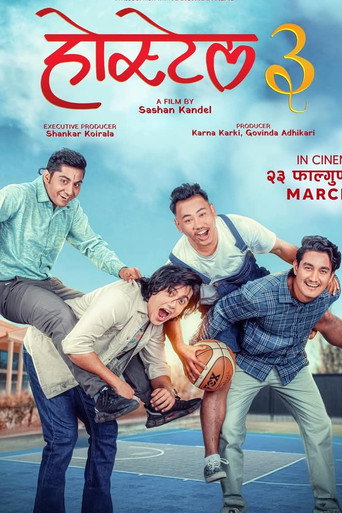
Hostel 3
The film follows the lives of teenagers living in a hostel, capturing their fun, struggles, and personal growth. The story revolves around a group of students navigating their way through school life, friendships, and challenges.
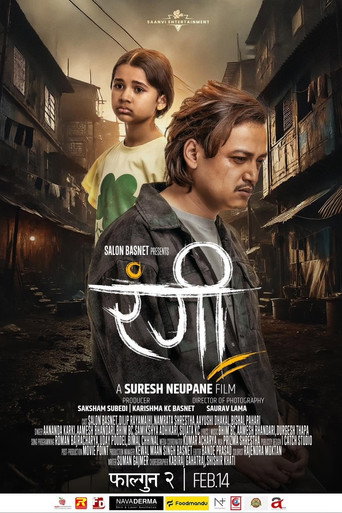
Rangi
Pawan, a father, gets a chance to regain his old life after discovering the unconditional love of his six-year-old daughter, Kavya. Motivated by her love, Pawan embarks on a journey of honesty and hard work, leaving his past life behind. Along the way, he faces many difficulties, but these struggles inspire Kavya to help her father overcome his hardships. Together, Pawan and Kavya begin their own paths toward success, proving the power of love, determination, and family.

Shree Bukuro : The Home Calling
A heartfelt family drama about returning to ancestral village and rediscovering the meaning of home through reconnection with family and the mountains, the story shows how embracing one’s roots can heal relationships and bring true clarity in life.
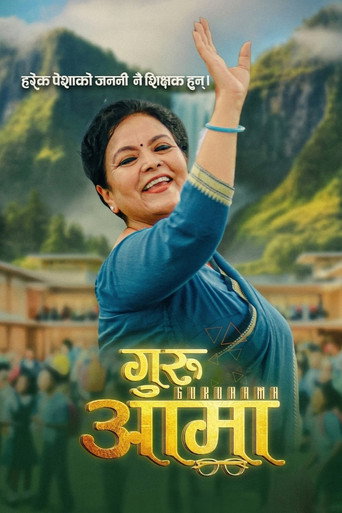
Guru Aama
Guru Aama, a compassionate and dedicated teacher, fate and career are in trouble when one of her student, Muna falls into drug addiction.
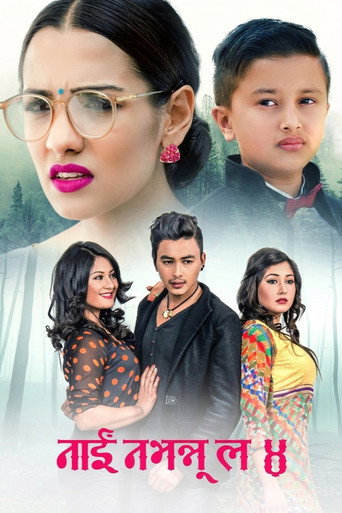
Nai Nabhannu La 4
The fourth installment of Nai Nabhannu La.
Gallery