Usmar Ismail Movies, TV Shows, and Filmography
Usmar Ismail
Directing
Biography
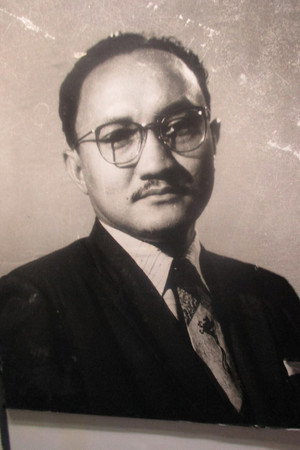
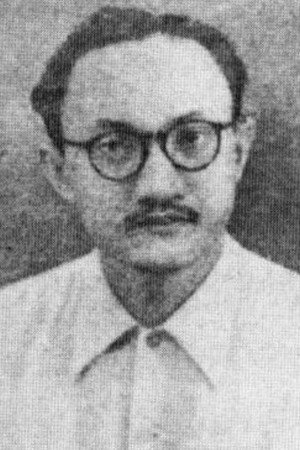
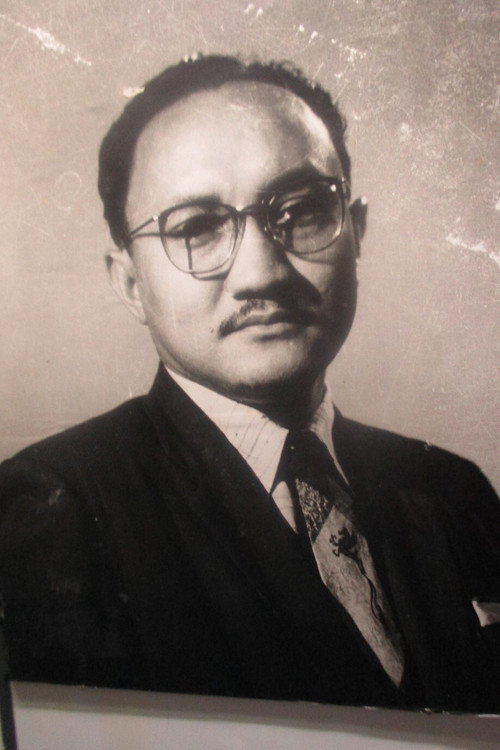
Usmar Ismail (born March 20, 1921 - January 2, 1971) was an Indonesian film director, producer, and screenwriter. He is dubbed the godfather of Indonesian films. The date of Indonesia's National Film Day (March 30), is dated from the first day of shooting Darah dan Doa (1950), Ismail's third film. His talents further developed while working at Keimin Bunka Sidosho (the Japanese Cultural Center Headquarters). There, he collaborated with Armijn Pane and other cultural figures to stage theatrical performances. In 1943, he founded and became the chairman of the theater group Sandiwara Penggemar "Maya" along with Abu Hanifah, Rosihan Anwar, Cornel Simanjuntak, Sudjojono, H.B. Jassin, and others. After the proclamation of independence, Usmar served in the military and became actively involved in journalism in Jakarta. When the Dutch returned with Allied forces, he joined the Indonesian National Army (TNI) in Yogyakarta with the rank of major. Along with his colleagues Sjamsuddin Sutan Makmur and Rinto Alwi, they established a newspaper named Rakyat. In the field of editorial work and journalism, Usmar was one of the founders and editors of Harian Patriot, the editor of the monthly magazine Arena in Yogyakarta (1948), and Gelanggang in Jakarta (1966-1967). He also served as the chairman of the Indonesian Journalists Association (1946-1947). During his time as a journalist, Usmar was imprisoned by the Dutch for allegedly engaging in subversive activities. At the time, he was working as a political reporter at Kantor Berita Antara and was covering the Dutch-Indonesian negotiations in Jakarta. This incident occurred in 1948. In his later career, Usmar developed a more serious interest in filmmaking. He became actively involved in organizations related to theater and film. He served as chairman of the Yogyakarta Cultural Deliberation Body (1946-1948), chairman of the Yogyakarta Artists Theater Association (1946-1948), chairman of the Indonesian National Theater Academy in Jakarta (1955-1965), and chairman of the National Film Deliberation Body (BMPN). BMPN played a key role in urging the government to establish the "National Film Development Policy" in 1967. He was known as a co-founder of the Indonesian National Film Company with Djamaluddin Malik and other film entrepreneurs, eventually becoming its chairman from 1954 to 1965.
Filmography Movies
Production
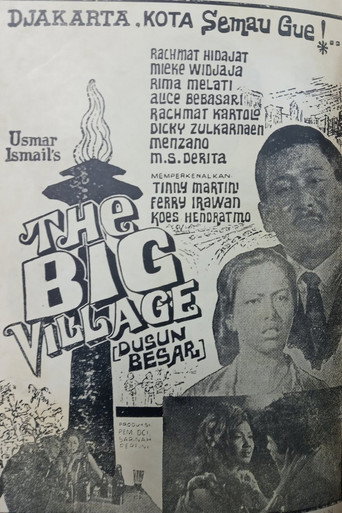
The Big Village
Partoyo, a big-time businessman, abandons his family because of work. A sociopolitical snapshot of Jakarta in the changing governance.
The Big Village
Partoyo, a big-time businessman, abandons his family because of work. A sociopolitical snapshot of Jakarta in the changing governance.
The Big Village
Partoyo, a big-time businessman, abandons his family because of work. A sociopolitical snapshot of Jakarta in the changing governance.
Harta Karun
Abdulkadir is a scrooge. He works as a loan shark. His daughter, Suliati, is going steady with Ahmad. But Abdulkadir resents his daughter's lover due to his poverty. Instead, he pairs off Suliati with the wealthy Abdulrachman. Meanwhile, Abdulkadir is dating Rohana, his own son, Ramelan's girlfriend. Finally, it is revealed that Ahmad is actually Abdulrachman's son. In the end, Ahmad gets to marry Suliati.
Harta Karun
Abdulkadir is a scrooge. He works as a loan shark. His daughter, Suliati, is going steady with Ahmad. But Abdulkadir resents his daughter's lover due to his poverty. Instead, he pairs off Suliati with the wealthy Abdulrachman. Meanwhile, Abdulkadir is dating Rohana, his own son, Ramelan's girlfriend. Finally, it is revealed that Ahmad is actually Abdulrachman's son. In the end, Ahmad gets to marry Suliati.

The Tiger from Tjampa
Set in the 1930s, and narrated like a ballad from the past, "The Tiger from Tjampa" tells of how a young man, Lukman, seeks to avenge his father’s murder by learning pencak silat, a traditional form of self defence, based on the movements of animals.

Heboh
Prior to his death, Mutalib tycoon ordered his son Dullah to search for a legacy that is listed on the secret map. Fearing that his son, who had been studying abroad, knew only the truth, Mutalib asked his friends, Cepot and Udel to help and guide his son, including being told about the secret map. Joko, the deceased's assistant, is trying to seize the map with the help of Mutalib's private secretary, Fatimah. Udel and Tjepot were kidnapped and threatened by Jim. Udel and Tjepot fled to Sukadamai. This run was made funny. Joko successfully snatched the map from the Dullah and went to Sukadamai which was the clue to the inheritance. Thanks to the help of Udel and Tjepot, the Dullah was able to find the treasure. What is the content of that inheritance? Just a piece of paper urging Dullah to work. The insane Dullah who wanted to work hard after getting the message, also fell in love with the local girl, Siti.
Tjitra
The arrogant young man, Harsono debauches Suryani and leaves her for the city. Harsono's brother, Sutopo takes responsibility by marrying the girl who he is actually in love with. In the city, Harsono is drawn to the floozy Sandra. When he realizes his mistake, he takes it out on Sandra. Sandra's death, however, is caused by a heart attack, and not by his actions. Harsono goes back to his village. Sutopo tries to reconcile Suryani with Harsono when he returns. But Suryani chooses to stay with her husband, Sutopo.
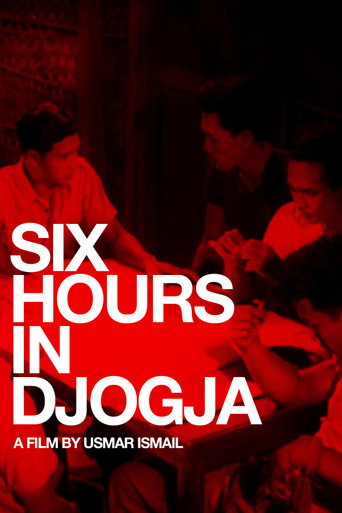
Six Hours in Djogja
Depicting the celebrated recapture of the town of Yogyakarta from Dutch forces in March 1949, by Indonesian youth of the resistance and members of the Indonesian army. Although it was held only for a few hours, it resulted in a UN resolution calling on the Dutch to leave.
Tjitra
The arrogant young man, Harsono debauches Suryani and leaves her for the city. Harsono's brother, Sutopo takes responsibility by marrying the girl who he is actually in love with. In the city, Harsono is drawn to the floozy Sandra. When he realizes his mistake, he takes it out on Sandra. Sandra's death, however, is caused by a heart attack, and not by his actions. Harsono goes back to his village. Sutopo tries to reconcile Suryani with Harsono when he returns. But Suryani chooses to stay with her husband, Sutopo.
Gallery