Acting
No biography available.
40 years after fighting for what he thought was new and revolutionary, a former anonymous militant against the now fallen Brazilian dictatorship is accused of being conservative, antiquated and anachronistic by his own son.
Álvaro, 12 years old, is the only child of separated parents. He is in a phase of many doubts and concerns. He wants to grow up soon, but did his father take too long to grow up? What did the father do with the girls? It's difficult to ask, Alvaro's father has a strange way of saying things.
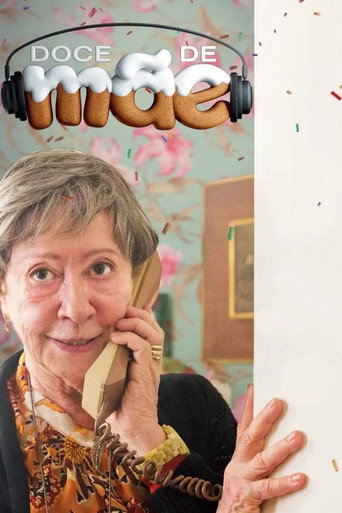
Picucha may seem old-fashioned, but she has modern ideas and a great sense of humor. As the matriarch of a big family, she is involved in the daily lives of her children, grandchildren and other relatives. Undeterred by the typical problems of old age, she uses her many years of experience to solve problems in the best way possible.
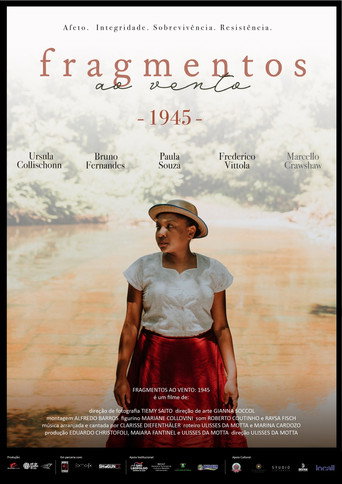
Senhorinha is a black woman who lives in a German colony in southern Brazil in 1945. In the midst of the dictatorship of the Estado Novo, she struggles to survive among the oppressive forces and immigrants being watched and persecuted.
Written in 1625 by the British playwright Ben Jonson, the play “The Staple of News” provides a historic root for this discussion about the role of the press in modern day Brazil. Journalists of several generations discuss the dilemmas of the selection and focus of their subjects, the resistance of the media in accepting itself as a political agent, the inevitability of interpretation as there are no hard facts in nature, and above all the search for an always complex balance between credibility and the public’s growing demand for news.
A photographer gets involved with a family as he seeks for a new model in a small town.