Acting
No biography available.
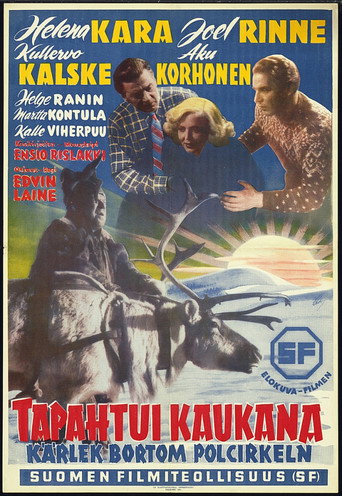
Young woman flies to Lapland together with her father and his new female friend whom the daughter dislikes. On a lonely skiing-trip across the vast wilderness, the young lady ends up in a shack inhabited by two research engineers and a funny old Lapland man who sees peculiar dreams.
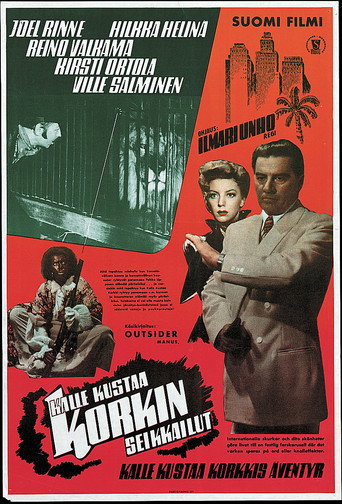
Pekka Lipponen is trying to trace hidden diamonds before a group of bandits finds them. He enlists his friend Kalle-Kustaa Korkki to help him.
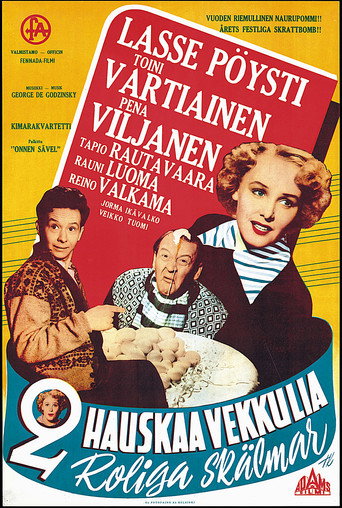
Musical comedy about two friends trying to advance in music business at any price.
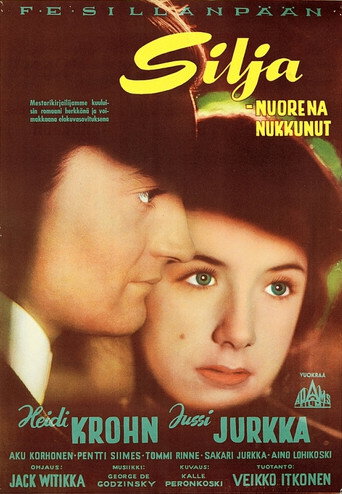
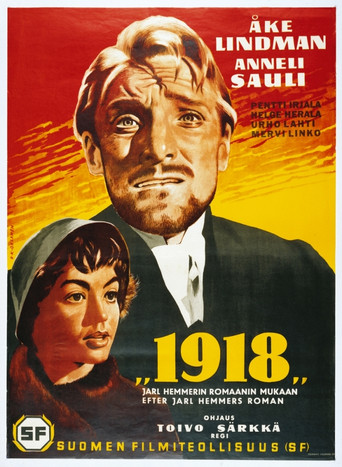
In the 1910s, beautiful young Silja loses both parents and ends up working as a maid at wealthier farms around her village. She is courted by a number of bachelors, ranging from simple farmhand Väinö to sophisticated young student Armas whom she meets when working for a charming old professor. However, Silja's health starts to deteriorate, and when the Finnish Civil War breaks up in 1918, she is inadvertently involved in a small incident after which her loyalties are questioned by both the Reds and the Whites.
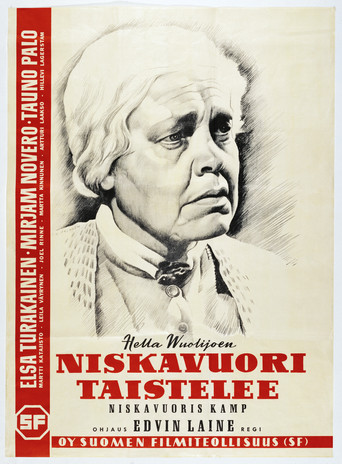
The last black-and-white film in the Niskavuori series of movies.
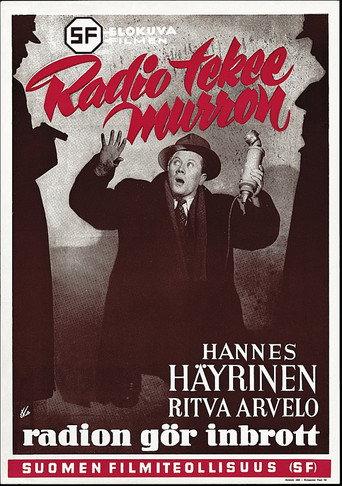
Eager young radio reporter Teräsvuori stages a one-man burglary into the Helsinki Art Museum, recorded on tape for a later broadcast by his friend Laakso. Things go awry when a gang of real criminals overhear their plans and book their heist to coincide. Teräsvuori gets caught but escapes from police custody to start his private investigations together with female radio colleague Eila.
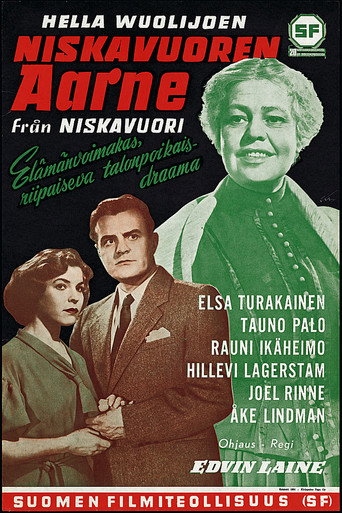
Niskavuori's Aarne (Arne från Niskavuori) is a Finnish drama film from 1954. It is based on Hella Wuolijoki's play Niskavuori's Bread. In chronological order of the Niskavuori series, the film is the fourth. Aarne has married Ilona and left the house in Niskavuori, which he hosts, where his former wife Martta still lives, while the old mistress is holding the reins. Aarne and Ilona live in Helsinki, but Aarne has not been able to completely break away from Niskavuori, but keeps secretly in touch with the headmaster and gives instructions on the farm management.
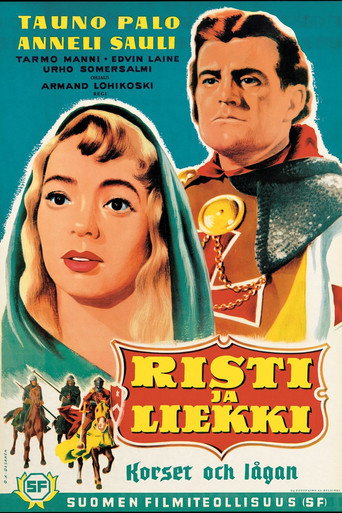
Set in early 16th century Finland, a knight Olavi Gideoninpoika meets Mirjam Raakelintytär and falls in love. Mirjami hides in a monastery disguised as a choir boy, but is revealed by a monk Rasmus, who also desires her, and is put on trial.
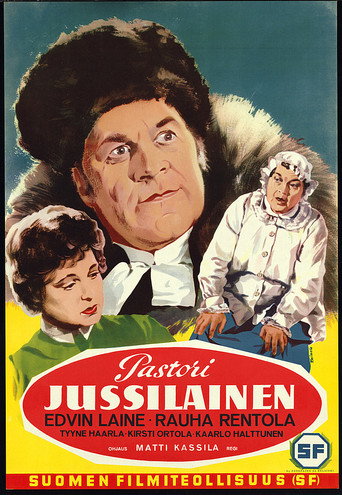
The year is 1895 in a small village in Savo, where new ideas such as women's rights and folk high schools are vehemently opposed by Pastor Jussilainen, both in his home and in the parish. His wife Eveliina, the maids, and the conservative parishioners all experience his vehemence. However, the pastor meets his match when his mother-in-law arrives for a visit.
Pastor Samuel Bro has lost his faith in God. He is in conflict with the Church Council and is rejected from his priesthood. He moves away to a different life.