Ulrike Hanke-Haensch Movies, TV Shows, and Filmography
Ulrike Hanke-Haensch
Acting
Biography
No biography available.
Filmography Movies
Acting
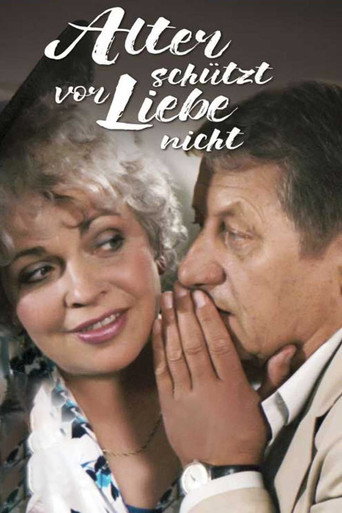
Alter schützt vor Liebe nicht
Otto is turning 65 and a big celebration with relatives and friends is coming up. What does life bring? A comfortable retirement, looking after his beloved grandchildren, lamenting the aches and pains of old age. None of that. Otto falls in love with Klara and the two of them are looking for a place to live together. What is in itself a matter of course comes up against many barriers. A turbulent time begins for the two newly in love...
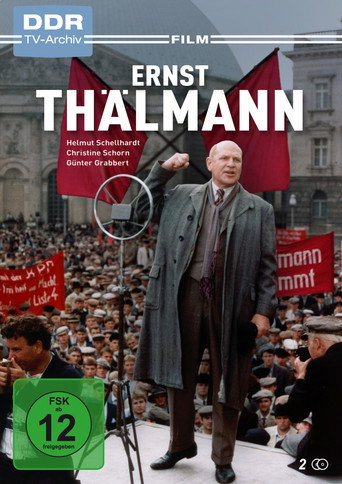
Ernst Thälmann
This elaborate two-part television film features a section from the life of communist worker leader Ernst Thälmann. It begins with the bloody riots on May 1, 1929 in Berlin, in which police officers shot at demonstrating workers, and ends with February 7, 1933, when Thälmann appeared as a speaker at the illegal meeting of the Central Committee of the Communist Party of Germany in goat neck. This period was marked by the struggle of the Communists against the ever stronger National Socialists and the rise of Adolf Hitler.
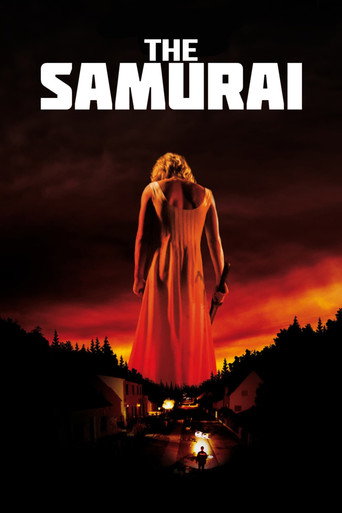
The Samurai
Jakob, a young policeman from a remote village, has his world unhinged when a stranger in a dress emerges from the forest and begins killing villagers with a sword.
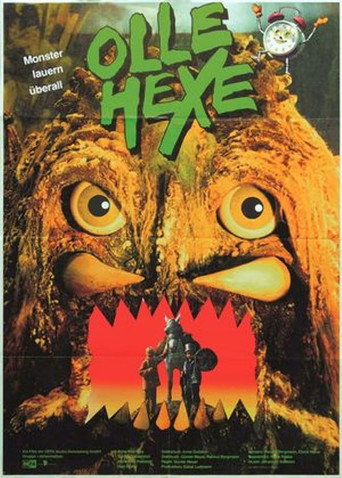
Ol' Witch
Eight year old Paul and his mother just moved to a skyscraper. After an embarrassing encounter with Anna, Paul meets her in the elevator. Anna makes fun of him and they start to quarrel. They can't arrange about going up or down. The elevator suddenly drops and carries them deep down into the realms of a wicked witch. The witch is out for their youth, since her own time is running out. Their only chance against her is for once to help together. They meet a blind horse, a clock without clock hand and a knight without courage helping them on their journey.
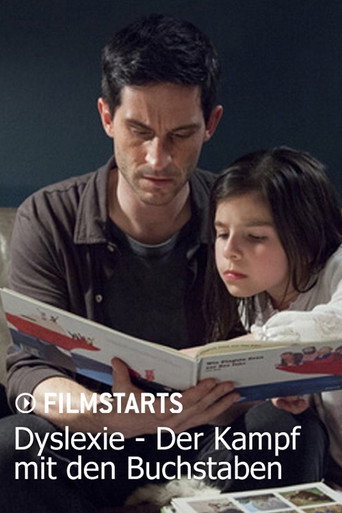
Dyslexie
Philipp Halbe can not read and write. He avoids life, works in a bar at night and does not engage in serious relationships. One day when his daughter Lily, whose mother died in a car accident, is about to die, he has to face the challenges of life and fight for custody. The aim of the film is to raise awareness of the problem of illiteracy and thus to contribute to the de-tabulation.
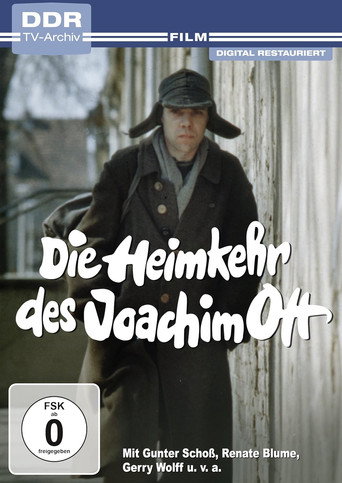
Die Heimkehr des Joachim Ott
After a long period as a prisoner of war, Joachim Ott returns home to find that his wife is now living with another man.
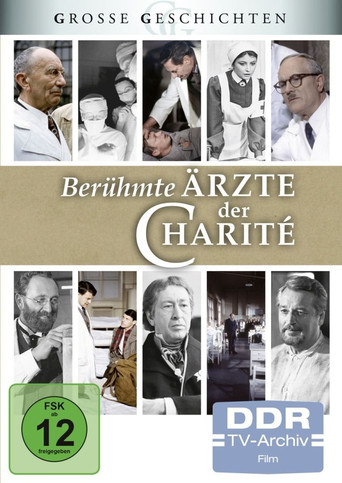
Berühmte Ärzte der Charité: Der kleine Doktor
The six-part film series tells in impressive stages of the work of important doctors at the internationally renowned Berlin hospital in its medical and contemporary historical scope. The period spans the beginning of the 19th century to the Second World War, bringing the viewer close to the work of great medical professionals: Robert Koch, Ferdinand Sauerbruch, Rudolf Virchow and others. Film overview: • "The man from Jena" (Christoph Wilhelm Hufeland). • "The Little Doctor" (Rudolf Virchow) • "Krisis" (Robert Koch). • "Doctor in Uniform" (Theodor Brugsch and Georg Friedrich Nicolai). • "The seemingly impossible" (Walter Stoeckel) • "Die dunklen Jahre"(Ferdinand Sauerbruch)
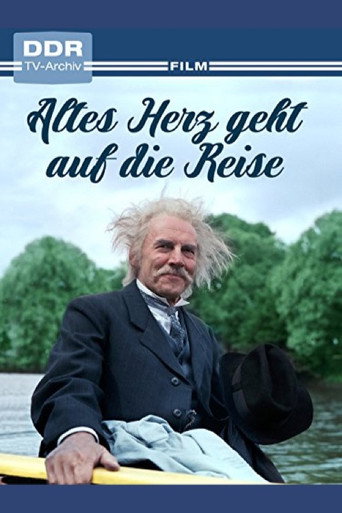
Altes Herz geht auf die Reise
Professor Gotthold Kittguß leads a secluded life, which is primarily determined by his books. His housekeeper, the widow Müller, takes care of all the practicalities of life. One day, a strange boy appears at his house to deliver a call for help from his 17-year-old godchild Rosemarie, who is the daughter of a deceased pastor friend and lives with the Schliekers, her so-called foster parents, in the small village of Usadel. The Schliekers manage Rosemarie's inheritance, but are anxious to take possession of the farm. They treat Rosemarie like their maid and allow her to live in undignified conditions. After a moment's hesitation, Professor Kittguß sets off for Usadel to help his godchild. But he doesn't receive a warm welcome there and is even locked up in a cellar. Rosemarie frees him and takes him to a secret hiding place in a nearby fisherman's hut.